Brazil's Chamber of Deputies allocates R$1.3 billion in opaque committee amendments
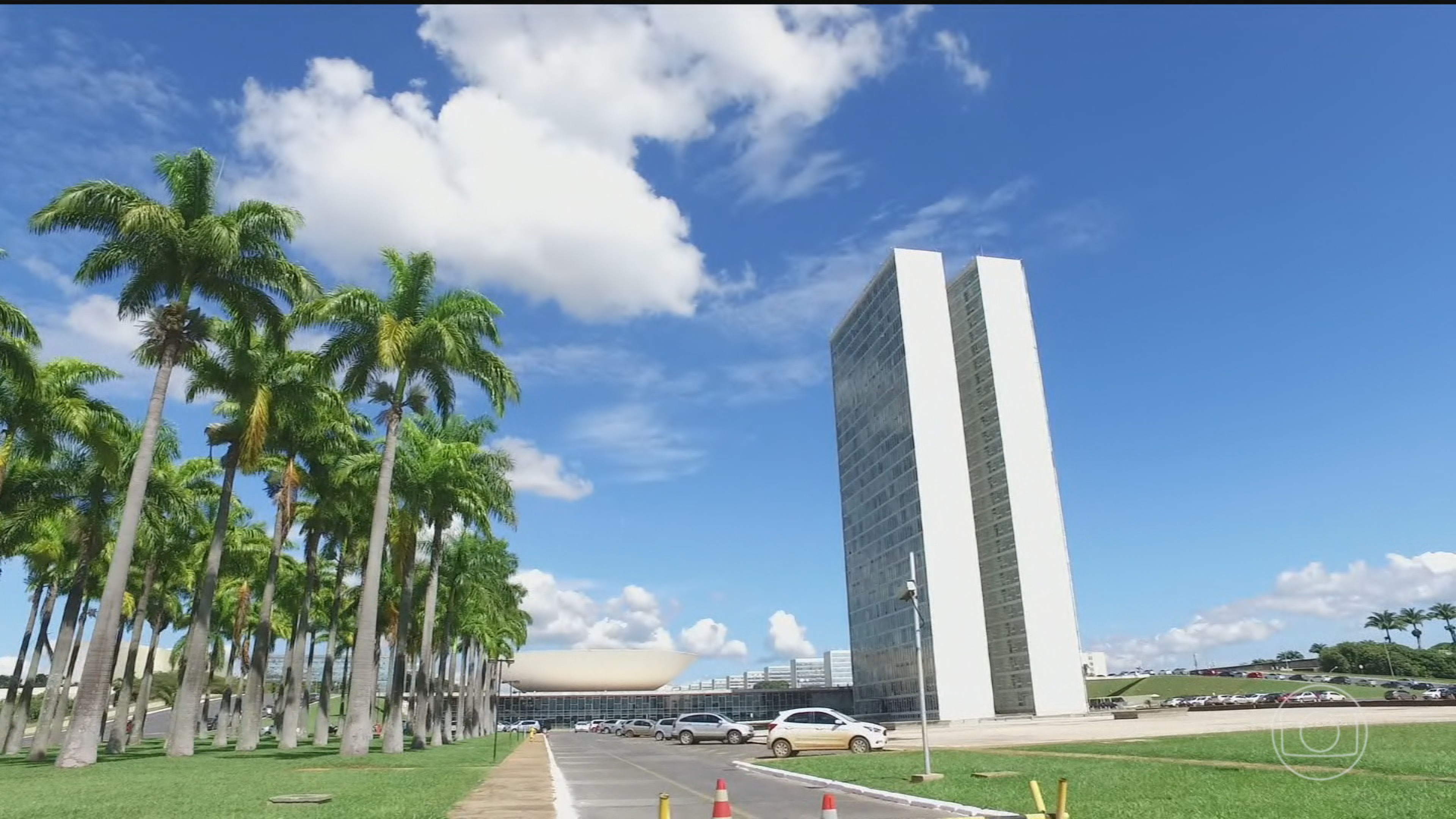
A study by the NGO Transparência Brasil reveals that the Chamber of Deputies has allocated R$1.3 billion in committee amendments without identifying the specific author of the request. This practice mirrors the 'secret budget' (orçamento secreto) mechanism, which the Supreme Federal Court (STF) previously declared unconstitutional due to a lack of transparency. These parliamentary amendments allow deputies and senators to direct public funds towards projects and acquisitions in their home states and municipalities. The 'secret budget' was a modality created in 2020, which the STF ruled unconstitutional in 2022, mandating clear identification of amendment authors and fund recipients. In response, Congress altered its rules for 2024, effectively ending the 'secret budget' amendments. Lawmakers then shifted to thematic committee amendments, such as those for Health, Education, and Transportation. While committee amendments accounted for R$136 million in 2022, their value surged to over R$9 billion in 2025. The Transparência Brasil study indicates that nearly R$1.3 billion of these 2025 committee amendments in the Chamber are attributed only to 'party leadership' rather than specific deputies. Seven parties were identified in this opaque allocation, with Progressistas, União Brasil, and PL showing the largest volumes of unassigned funds. The trend continued in 2026, with over R$373 million allocated by May without named authors, and the PT party now also appearing on the list. Transparência Brasil's executive director highlighted that this model contravenes transparency requirements and cited cases where individuals without parliamentary mandates allegedly directed committee amendments, with STF Minister Flávio Dino blocking related funds for former deputies Valdemar Costa Neto and Eduardo Cunha. Some parties, like Republicanos and Solidariedade, stated their adherence to legal provisions, while Podemos noted limited use of specific, reduced bench amendments.
The allocation of substantial public funds through parliamentary amendments, particularly when authorship is obscured, raises concerns about accountability and the equitable distribution of resources. The shift from explicitly unconstitutional 'secret budget' amendments to less transparent committee-based allocations suggests an ongoing challenge in ensuring public funds are directed transparently and free from undue influence. This practice, even if not explicitly illegal under current interpretations, risks undermining public trust and creating opportunities for patronage or favoritism, potentially diverting funds from areas of greatest public need. The system's structure may inadvertently incentivize opacity, creating a perpetual tension between legislative power to direct funds and the public's right to know how their money is spent, a dynamic likely to persist in the evolving landscape of public finance and governance.
AI-generated to prompt reflection — not editorial opinion, not advice, not a statement of fact. How this works.