Brazil's Chamber of Deputies Approves Bill Allowing Cultural Headwear in Official Photos
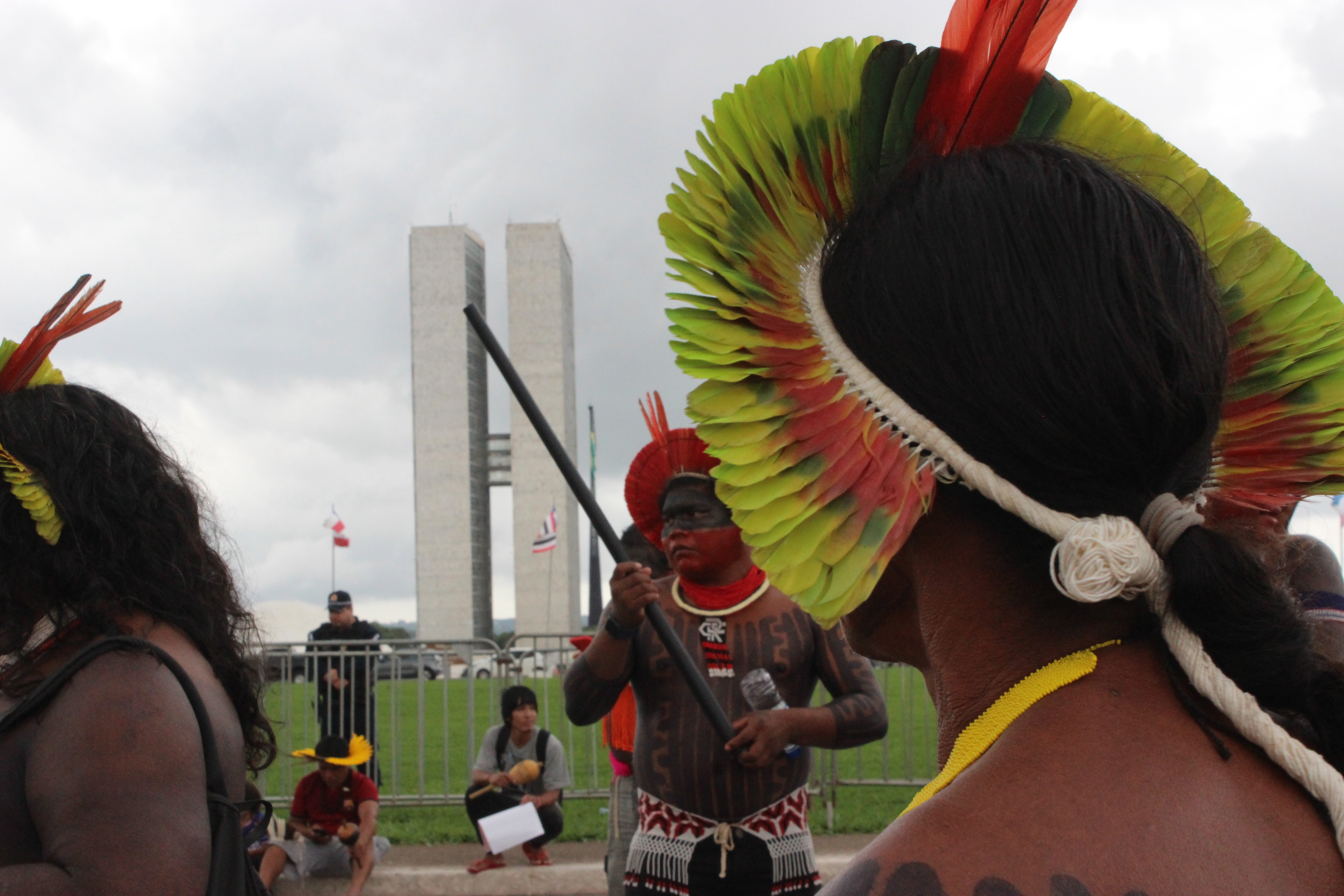
The Chamber of Deputies in Brazil has approved a bill that will allow individuals to wear elements representing their community, culture, or religion in official identification photos. This proposal, which now moves to the Senate, aims to ensure the dignity and right to existence for indigenous, Afro-Brazilian, and other traditional peoples according to their beliefs and religious freedoms. Authored by Deputy Célia Xakriabá (PSOL-MG) and reported by Deputy Sônia Guajajara (PSOL-SP), the bill specifies that such attire is permissible as long as it does not obstruct facial identification. Approved elements include indigenous headdresses (cocar) and turbans worn by people of African descent, alongside other ethnic, cultural, and religious symbols. This right will extend to all official documents, such as national identity cards, driver's licenses, passports, and work permits. Supporters, like Deputy Hildo Rocha (MDB-MA), emphasize the bill's constitutionality and its role in preserving Brazil's cultural diversity, noting that current regulations often prevent indigenous people from including these identifying symbols. However, opposition deputies, such as Lafayette de Andrada (PL-MG), voiced concerns that adornments could hinder effective civil identification, arguing that official photos should focus solely on a person's physical features.
This legislative development addresses the intersection of cultural identity and state-issued identification, aiming to reconcile diverse cultural expressions with the practical requirements of official documentation. By permitting cultural headwear in photos, the bill seeks to affirm the dignity and rights of minority groups, aligning with broader global trends toward inclusivity and recognition of cultural heritage. The debate highlights a fundamental tension between safeguarding individual cultural expression and ensuring unambiguous personal identification for security and administrative purposes. Future implementations will need to navigate this balance, potentially through technological solutions or clearly defined guidelines that respect both cultural autonomy and the integrity of identification systems. This event underscores the ongoing societal evolution in recognizing and accommodating diverse identities within established legal and bureaucratic frameworks.
AI-generated to prompt reflection — not editorial opinion, not advice, not a statement of fact. How this works.