Brazil's Chamber of Deputies committee approves IPVA tax calculation change
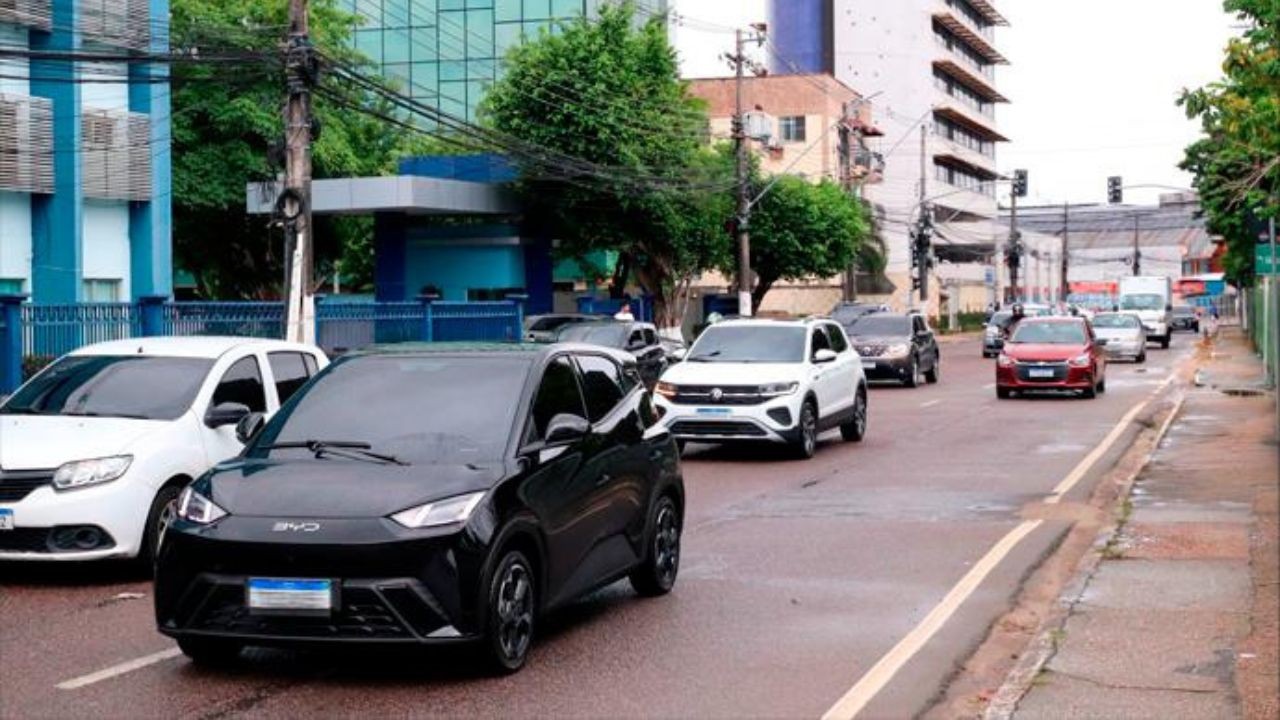
A committee within Brazil's Chamber of Deputies, the Constitution and Justice and Citizenship Commission (CCJ), has approved a proposed constitutional amendment that would significantly alter how the Vehicle Ownership Tax (IPVA) is calculated. Currently, IPVA is levied by Brazilian states based on the vehicle's market value, often referencing the Fipe Table, with rates typically ranging from 1% to 4%. The new proposal, authored by Deputy Kim Kataguiri, aims to shift this calculation method to be based solely on the vehicle's weight, rather than its market value. However, the tax amount would be capped at a maximum of 1% of the vehicle's sale price. The amendment also includes provisions for states to offer discounts on vehicles deemed less polluting. This proposal still faces a lengthy legislative process, including review by a special committee, two plenary votes in the Chamber of Deputies, and subsequent analysis by the Federal Senate. The rapporteur for the proposal, Deputy Rodrigo de Castro, noted that the CCJ's review was limited to constitutional and legal aspects, with practical and fiscal impacts to be addressed later. Opposition lawmakers, such as Deputy Helder Salomão, have raised concerns that basing the tax solely on weight could create distortions. Proponents argue the current system is anomalous for taxing an asset that depreciates, citing international examples like the US and Japan where taxes consider physical vehicle characteristics and infrastructure impact.
This legislative proposal introduces a significant shift in vehicle taxation by decoupling IPVA from market depreciation and linking it to vehicle weight. Such a change could rebalance the tax burden, potentially benefiting owners of older, higher-value vehicles while increasing costs for heavier, possibly newer, vehicles. The rationale of taxing based on infrastructure wear and tear, as suggested by international comparisons, presents a logical framework for resource allocation. However, the potential for distortions, as raised by critics, warrants careful examination of the distribution of impacts across different vehicle types and socioeconomic groups. Policymakers must consider the long-term implications for vehicle purchasing trends, environmental goals, and state revenue stability in the context of evolving automotive technology and urban planning needs.
AI-generated to prompt reflection — not editorial opinion, not advice, not a statement of fact. How this works.