Brazil's Chamber of Deputies defends parliamentary amendment process to Supreme Court
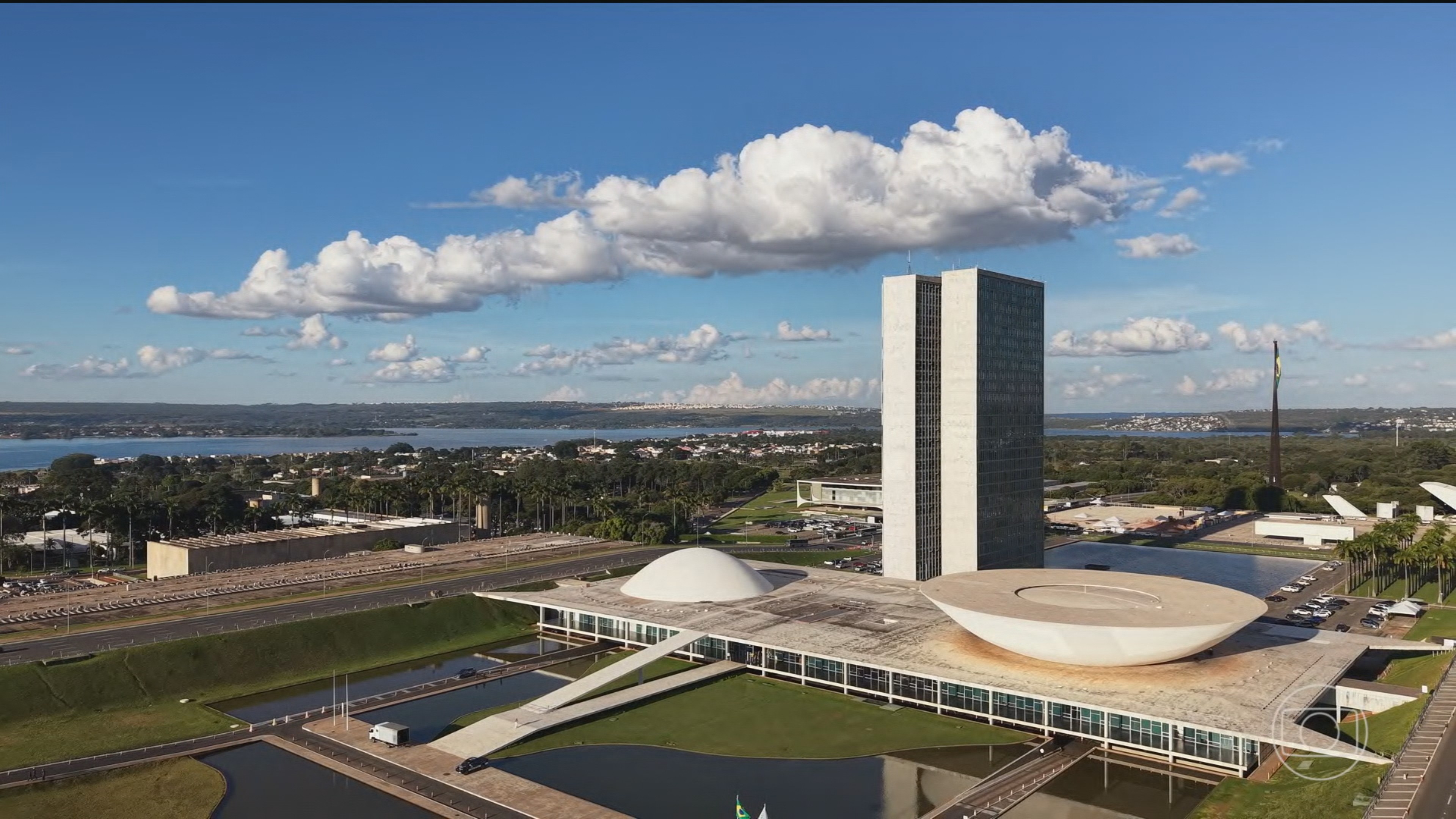
The Chamber of Deputies in Brazil has submitted a formal response to the Supreme Federal Court (STF) asserting the regularity and transparency of its parliamentary amendment indication process. This submission, made on Monday, May 20th, addresses concerns raised by Minister Flávio Dino regarding the allocation of funds through committee amendments. These amendments represent a portion of the national budget designated for execution based on congressional recommendations, with committee amendments not being mandatory for execution. In 2026, the total budget for this category is R$ 12.1 billion. The Chamber's legal counsel argued that all procedures followed established parliamentary rules and that the indicated beneficiaries align with those who actually received the funds, thus refuting allegations of embezzlement. The STF is currently investigating these committee amendments, which have drawn parallels to the now-defunct "secret budget" mechanism. Minister Dino, leading the investigation into suspected amendment diversions, had requested detailed information on fund distribution and tracking mechanisms. The Chamber provided documentation, including meeting minutes and system records, to demonstrate that each indication was properly deliberated and approved. A study by Transparência Brasil indicated that in 2025, R$ 1.3 billion in committee amendments were registered under party leaders' names without specifying the individual parliamentarians responsible for beneficiary indications, a practice the organization likened to the "secret budget." Recent STF actions include Minister Dino's suspension of amendments allegedly indicated irregularly by Valdemar Costa Neto, president of the PL party, and the freezing of R$ 119 million in resources and assets. Additionally, R$ 6 million belonging to former federal deputy Eduardo Cunha were frozen due to suspected diversion of amendments, with the Federal Police identifying that both Cunha and Costa Neto, despite being former deputies, allegedly influenced fund allocation through a Câmara employee, Mariângela Fialek.
The Chamber of Deputies' defense of its committee amendment process highlights a recurring tension between legislative discretion and public accountability in Brazil's budget allocation. While the Chamber asserts adherence to internal regulations, the STF's scrutiny and external analyses from organizations like Transparência Brasil suggest potential systemic vulnerabilities that mirror past "secret budget" controversies. The core issue appears to be the opacity in identifying the ultimate decision-makers for fund allocations, even when formal procedural steps are documented. Moving forward, strengthening independent oversight mechanisms and enhancing transparency in the identification of amendment sponsors could mitigate risks of resource misallocation and bolster public trust in the legislative process, aligning with broader trends towards greater fiscal transparency in the digital age.
AI-generated to prompt reflection — not editorial opinion, not advice, not a statement of fact. How this works.