Brazil's Chamber of Deputies to Form Committee on Lowering Criminal Majority Age
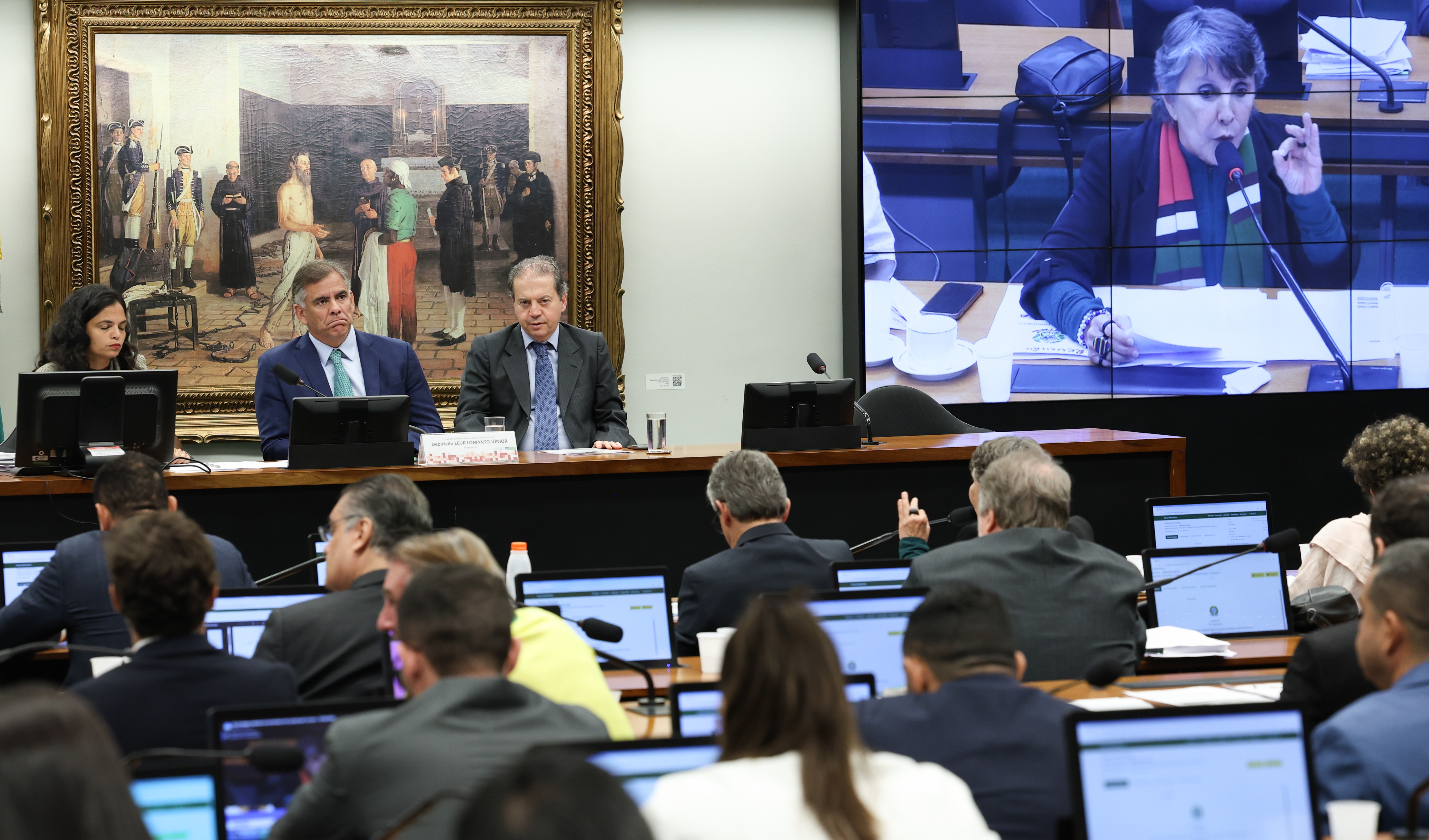
Hugo Motta, President of Brazil's Chamber of Deputies, announced on Monday, June 6th, the creation of a special committee to discuss a constitutional amendment proposal (PEC) that seeks to lower the age of criminal majority from 18 to 16 years old. This decision signifies the Chamber's intent to move forward with the legislation. Although a special committee is a standard procedural step for a PEC, its formation is not mandatory. Motta has indicated that the analysis of this proposal will not be concluded before the October elections. The proposal to lower the age of criminal majority was previously part of a Public Safety PEC approved earlier in the year. However, Motta requested its removal for separate discussion following appeals from the government's base, who labeled the measure as "electoral populism." The PEC had already been approved by the Chamber's Constitution and Justice Committee (CCJ) in June, which determined its constitutionality. The proposed amendment would modify Article 228 of the Constitution, establishing penal responsibility at 16 years of age. Currently, individuals under 18 are considered not criminally liable and are subject to special legislation. Government supporters argue that the PEC alters a fundamental constitutional right, considered a "entrenched clause" that cannot be amended. Opposition deputies, conversely, maintain that the PEC does not violate the Constitution or ratified international treaties. Following the committee's formation and member appointments, parliamentarians will have an initial period of 10 plenary sessions to propose amendments. Subsequently, the rapporteur's report can be voted on within the committee. The special committee has a maximum operational period of 40 plenary sessions, after which the Chamber President can decide to bring the text directly to the floor.
The Chamber of Deputies' decision to form a special committee on lowering the age of criminal majority reflects a complex interplay of political dynamics and public safety concerns. While proponents may frame this as a response to crime, the timing and the previous removal from a broader security package suggest potential electoral considerations. The debate hinges on constitutional interpretations of fundamental rights versus public security needs, highlighting a persistent tension in legal systems worldwide. As societies grapple with evolving notions of responsibility and the impact of technology on youth development, such proposals necessitate a careful examination of long-term societal consequences, rehabilitation effectiveness, and the potential for disproportionate impacts on vulnerable populations, rather than solely focusing on punitive measures.
AI-generated to prompt reflection — not editorial opinion, not advice, not a statement of fact. How this works.