Brazil's Congress Under Scrutiny for Alleged "Secret Budget 2.0" Scheme
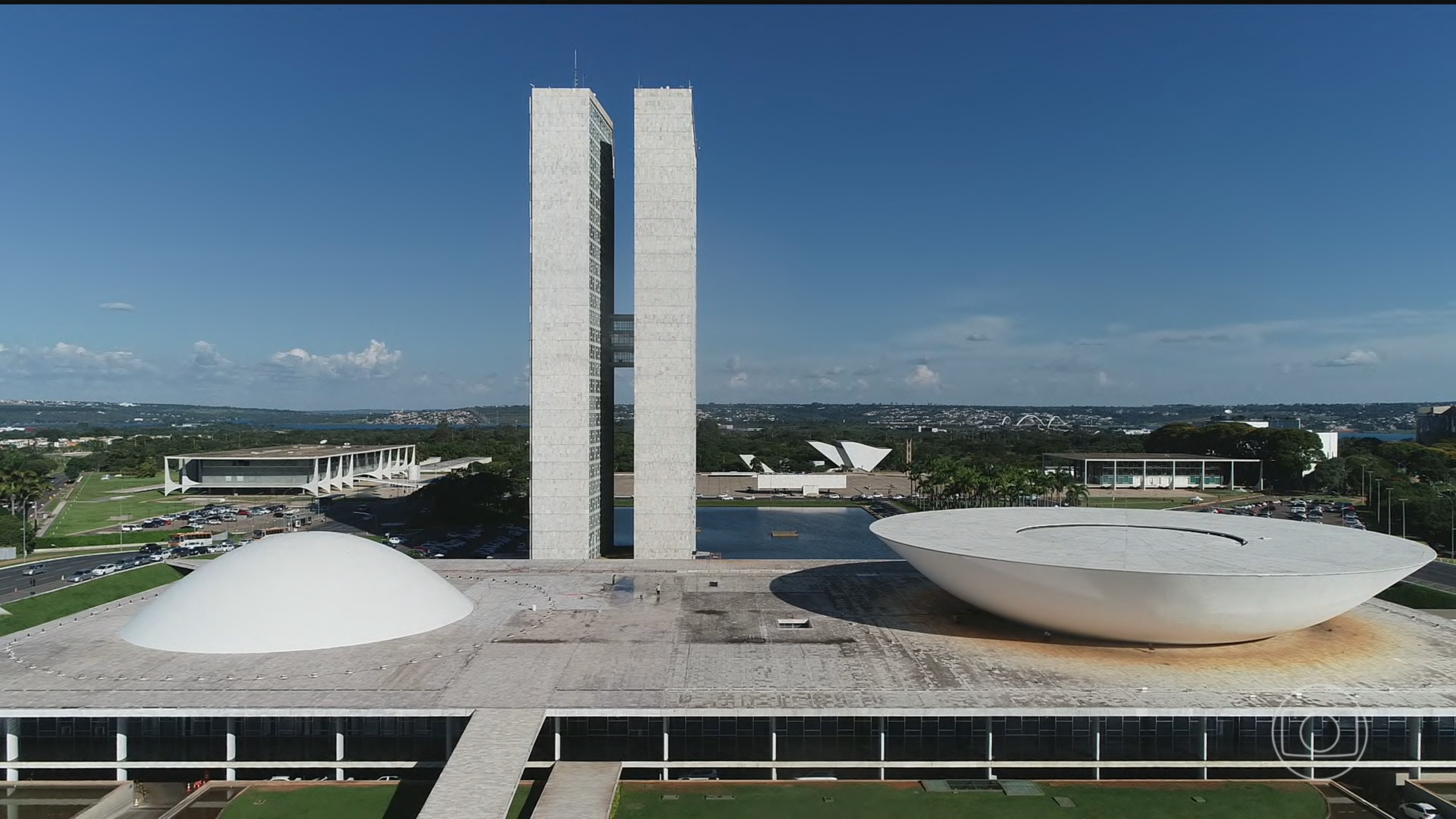
Brazil's Supreme Court Minister Flávio Dino has ordered the freezing of R$125 million in assets belonging to political figures not currently holding office. This decision has brought to light a potential scheme involving the misuse of public funds, allegedly orchestrated by high-ranking members of Congress. Federal Police investigations are examining whether new methods have been established to disguise the allocation of public resources, even after the "Secret Budget" was declared unconstitutional by the Supreme Court in 2022. The core of the investigation is to determine if public money is still being channeled to generate political advantages through parliamentary amendments. Among those under investigation are former Chamber of Deputies President Eduardo Cunha and Liberal Party (PL) President Valdemar Costa Neto, who are accused of acting as "private agents" with influence exceeding that of elected deputies. The Federal Police have described this as a "parallel decision-making arrangement," reportedly facilitated by employees of the legislative body itself. Evidence, including messages obtained by investigators, suggests Cunha, who was impeached in 2016, managed spreadsheets and directed millions towards electoral strongholds in Minas Gerais, potentially for his own political campaign. The scrutiny also extends to the current presidency of the Chamber of Deputies. Reporter Breno Pires highlights that Hugo Motta, who criticized Minister Dino's actions as judicial overreach, faces scrutiny as his party, the Republicanos, has reportedly directed nearly half of its commission amendment funds to Paraíba, Motta's political base, without clear indication of the responsible parliamentarian. This situation underscores concerns about the concentration of power over the Union's budget in the hands of a few, undermining legal transparency requirements.
The ongoing investigations into alleged misuse of public funds via parliamentary amendments in Brazil, even after the "Secret Budget" was deemed unconstitutional, highlight systemic challenges in fiscal governance and transparency. The alleged involvement of former and current political leaders, alongside legislative staff, suggests a persistent incentive structure for leveraging public resources for political gain. This situation raises questions about the effectiveness of oversight mechanisms and the potential for "shadow budgeting" to persist through evolving, albeit potentially illicit, channels. The focus on how amendments are allocated, particularly when authorship is obscured, points to a critical vulnerability in the budget process that could undermine public trust and the equitable distribution of resources. Future reforms may need to address not only the explicit mechanisms of budget allocation but also the informal networks and influence peddling that can subvert transparent governance, particularly in the context of increasing political polarization and the upcoming electoral cycles.
AI-generated to prompt reflection — not editorial opinion, not advice, not a statement of fact. How this works.