Brazil's Court of Accounts Seeks Congressional Approval for Up to 40% Pay Raise for Staff
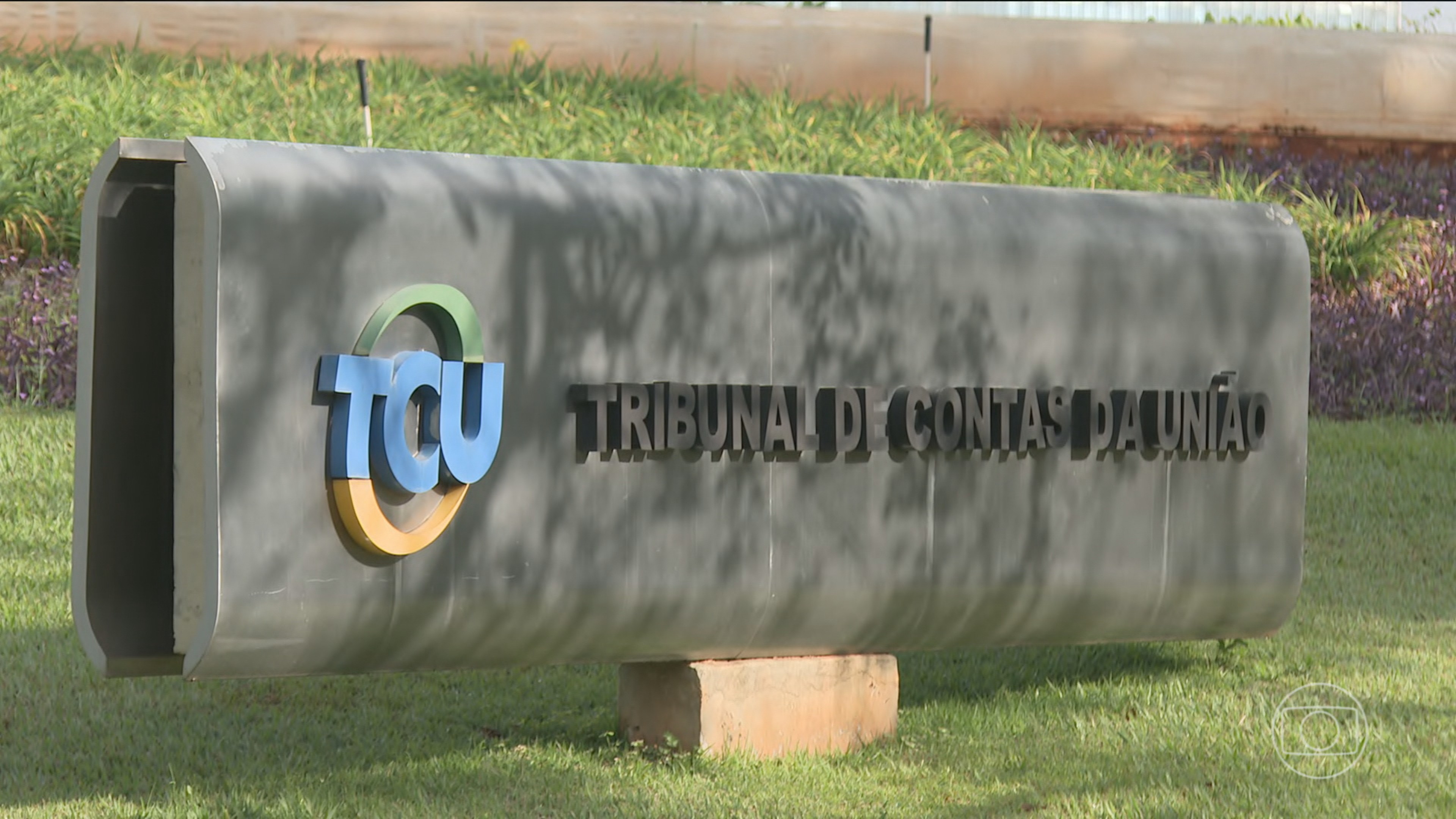
The Court of Accounts of the Union (TCU) in Brazil has proposed a significant pay increase for its staff, potentially reaching up to 40% in additional bonuses and allowances. This proposal has been formally submitted to the National Congress for approval. These additional payments, known as "penduricalhos," are typically granted to public servants for undertaking special functions such as leadership or directorial roles. The TCU recently made a decision allowing its own employees, as well as those of the Chamber of Deputies and the Federal Senate, to receive total remuneration exceeding the constitutional salary cap. This ruling permits the base salary and function-based bonuses to be calculated and capped separately, rather than as a combined sum. The current constitutional salary limit in Brazil is R$ 46,366.19, equivalent to the remuneration of Supreme Federal Court ministers. The TCU's proposal, sent by its president, Minister Vital do Rêgo, on Wednesday, aims to address what the court deems a growing disparity between the responsibilities of its staff and their current compensation, compared to similar federal bodies. If approved, the annual cost to public funds is estimated at R$ 27.7 million, affecting 923 allowances. For instance, a Level 1 allowance would rise from R$ 1,554.42 to R$ 2,176.19 monthly, while the highest Level 8 allowance would increase from R$ 8,987.39 to R$ 12,132.98. The TCU argues that this update is crucial for maintaining institutional governance and strengthening roles involved in complex oversight, high-level advisory, and strategic implementation.
This proposal highlights a recurring tension within public administration systems regarding the alignment of compensation with evolving responsibilities and the application of constitutional salary caps. The TCU's argument for adjusting "penduricalhos" suggests a potential disconnect between the complexity of modern governmental oversight roles and the fixed remuneration structures, particularly when compared to peer institutions. The separate calculation of salary and bonuses, as recently permitted by the TCU, could represent a strategic approach to circumventing traditional pay ceilings, a mechanism that may invite scrutiny regarding fiscal prudence and equity in public spending. As Brazil navigates its fiscal landscape and the broader implications of public sector compensation, this initiative prompts consideration of how to balance the need for attracting and retaining skilled personnel with the imperative of maintaining public trust and adhering to constitutional fiscal limits. The long-term impact on public finances and the precedent set for other federal bodies warrant careful evaluation over the coming decade.
AI-generated to prompt reflection — not editorial opinion, not advice, not a statement of fact. How this works.