Brazil's Defense Minister Jokes About Opening Gates to US Invasion
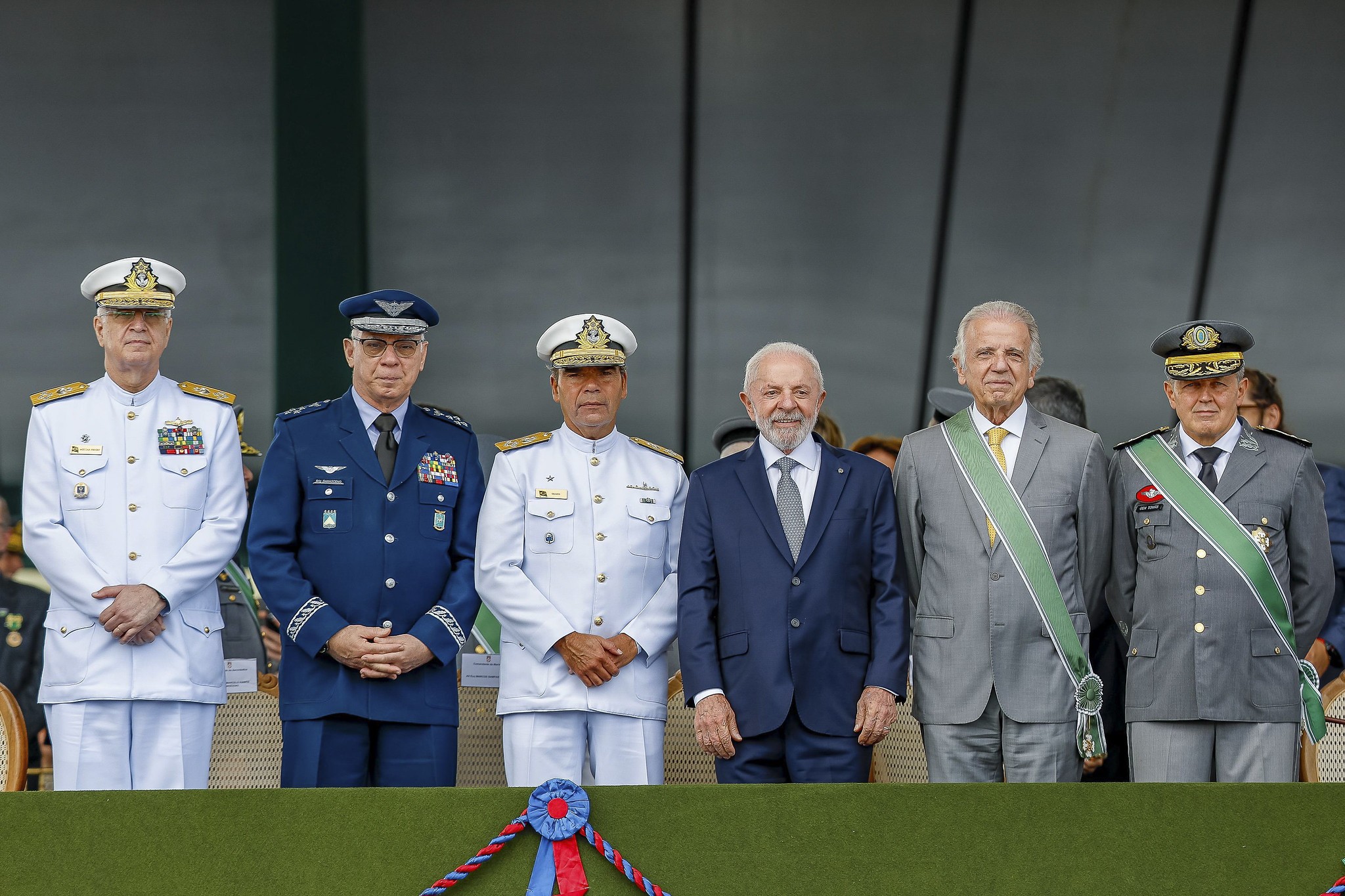
Brazil's Minister of Defense, José Múcio Monteiro, humorously addressed the hypothetical scenario of a US invasion, stating that Brazil would simply "open the gate" as it lacks the equipment to resist. He explained this sentiment during an event hosted by the National Confederation of Industry (CNI) concerning maritime transport and Brazilian industry. Monteiro emphasized the critical need for increased defense investment and budgetary predictability for the Armed Forces. He noted that Brazil's defense spending is low compared to regional neighbors, yet acknowledged the difficulty in allocating more funds due to competing demands in education, health, housing, and social assistance. The minister highlighted the high cost of strategic assets like submarines and fighter jets, often making it politically challenging to request such resources when other societal needs are pressing. Monteiro likened defense investment to a health insurance plan, a preventative measure rather than preparation for conflict, stating that Brazil's vocation is not for war. He connected defense sector strengthening to technological and industrial development, advocating for greater budgetary predictability to sustain long-term strategic projects. The minister also pointed to Brazil's growing capacity to export defense products, including submarines, aircraft, and armored vehicles, and indicated he has been advocating for these budgetary priorities with President Lula and other government officials.
Minister Monteiro's remarks highlight a fundamental tension in national security strategy: the balance between perceived threats and domestic resource allocation. By framing defense spending as a preventative measure akin to health insurance, he attempts to legitimize it within a context of significant social needs. This perspective suggests that robust defense capabilities, even if not intended for direct conflict, can serve as a deterrent and foster technological advancement, potentially boosting industrial competitiveness. The challenge lies in articulating the tangible benefits of such investments to a public and political system prioritizing immediate social welfare. Future policy decisions will likely hinge on demonstrating how defense modernization contributes to broader national development goals, rather than solely focusing on military readiness.
AI-generated to prompt reflection — not editorial opinion, not advice, not a statement of fact. How this works.
