Brazil's Defense Minister Meets US Official Amid Terror Designations for Gangs
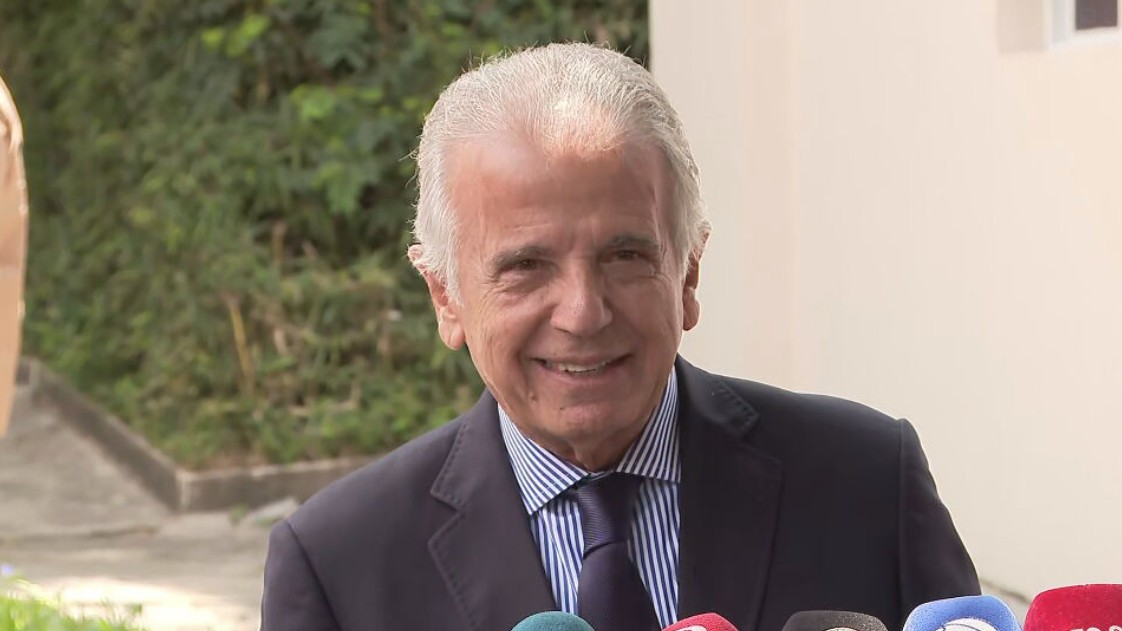
Brazilian Minister of Defense, José Múcio Monteiro, met with US Deputy Undersecretary of Defense for Policy, Elbridge Colby, on Wednesday, June 8th. The meeting occurred in the context of the US government's decision under Donald Trump to designate the Red Command (CV) and the First Capital Command (PCC) as terrorist organizations. During their discussion, Múcio and Colby focused on bilateral cooperation in combating drug trafficking. The Brazilian Ministry of Defense reported the meeting took place in a cordial atmosphere with converging viewpoints. This bilateral discussion also occurred during the XVII Conference of Ministers of Defense of the Americas (CMDA) in Peru, where the two officials had previously met. Colby, a key advisor to US Secretary of Defense Pete Hegseth, conveyed the US's interest in finding partners in the continent for drug trafficking interdiction, identifying Brazil as a significant potential partner. Minister Múcio expressed interest in this partnership, clarifying that while drug trafficking is primarily handled by Brazil's Ministry of Justice and Public Security, the Brazilian Armed Forces are involved in border security initiatives. The US had previously imposed economic sanctions on individuals and entities linked to the PCC on June 5th. In response to the US designations, Brazil's Ministry of Foreign Affairs indicated concerns about potential US military action in Brazil, a statement that prompted the Chamber of Deputies' Foreign Relations Committee to summon Foreign Minister Mauro Vieira. However, a US State Department spokesperson dismissed these concerns as "absurd," asserting that US actions are based on domestic legislation to combat these groups.
The convergence of US counter-terrorism designations against Brazilian criminal organizations and high-level defense dialogues highlights evolving geopolitical priorities. The US framing of these groups as terrorist entities, coupled with an expressed desire for regional partners in combating illicit trafficking, suggests a strategic shift towards more assertive international engagement. Brazil's response, balancing cooperation with concerns over potential unilateral action, reflects the delicate interplay between national sovereignty and international security imperatives. This dynamic underscores the need for robust diplomatic frameworks that ensure transparency and mutual understanding, particularly as transnational crime intersects with national security concerns in the digital age.
AI-generated to prompt reflection — not editorial opinion, not advice, not a statement of fact. How this works.