Brazil's DNIT begins studies for new bridge over Juruá River in Acre
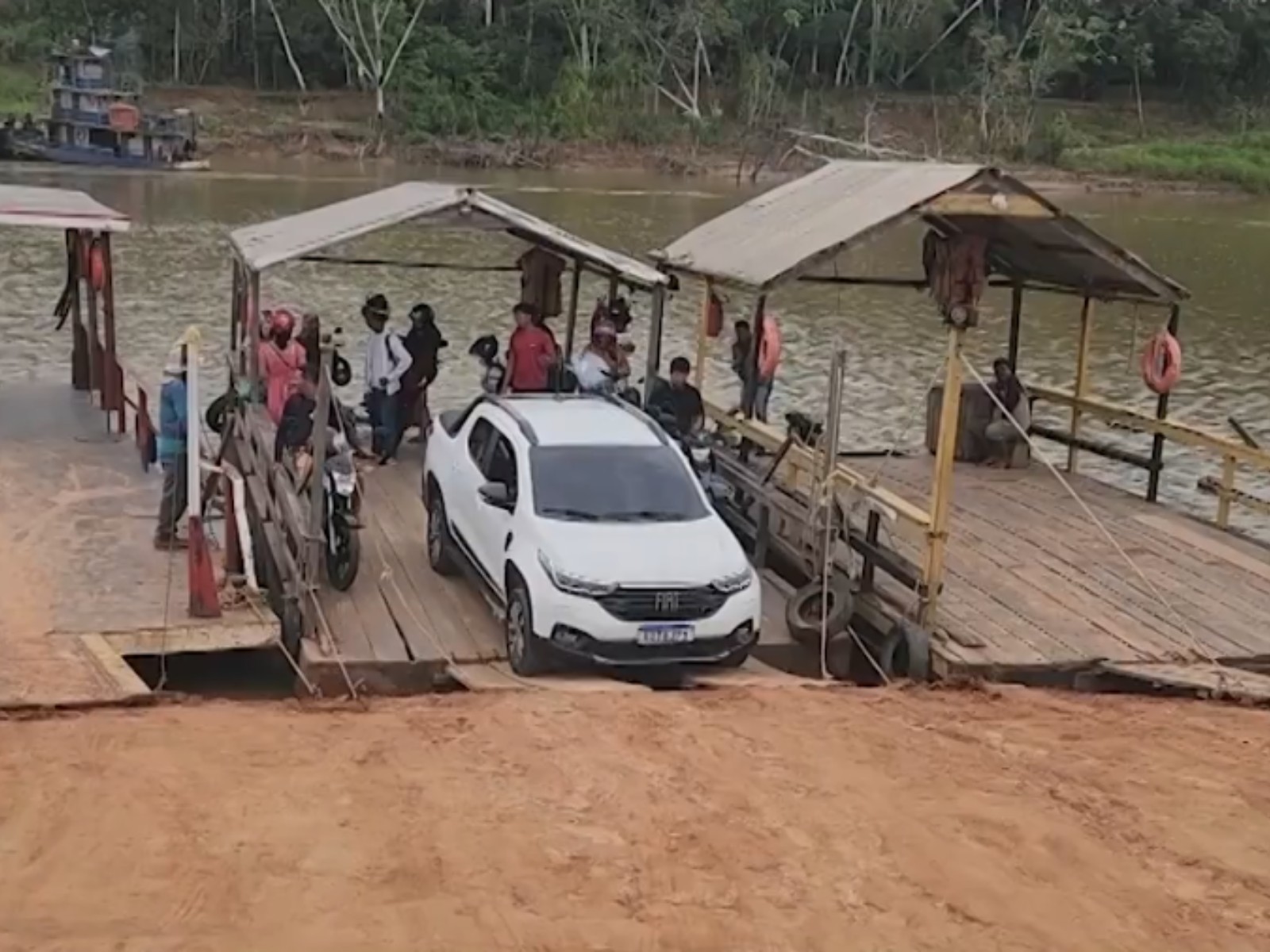
The National Department of Transport Infrastructure (DNIT) has initiated technical studies for the planning and design of a new bridge that will connect the municipalities of Rodrigues Alves and Cruzeiro do Sul in the state of Acre, Brazil. This project addresses a long-standing demand from the local population for a fixed crossing over the Juruá River. Engineering teams and a contracted company are currently on-site conducting topographic surveys and technical tests to determine the characteristics of the future structure. The DNIT anticipates that this initial phase will be completed within six months, after which the project will be put out for tender. Currently, the connection between Rodrigues Alves, located approximately 11 kilometers from Cruzeiro do Sul, relies on a ferry service. This daily reliance on the ferry poses significant challenges, especially during the rainy season when mud accumulation on access ramps complicates boarding and increases accident risks. The final design of the bridge, including whether it will be a cantilever bridge or a cable-stayed bridge, is yet to be decided and will be influenced by site conditions, the number of required pillars, and construction costs. The DNIT aims to select the most technically and economically viable solution. Residents have expressed hope that the bridge will resolve persistent issues, such as vehicle accidents on the ferry ramps and lengthy delays, improving access to essential services like healthcare and employment.
The initiation of studies for a new bridge in Acre represents a significant infrastructure development aimed at improving connectivity and economic opportunities in the Juruá Valley region. By moving beyond the current ferry system, which is prone to disruptions and safety concerns, the project seeks to enhance daily life for residents and facilitate commerce. The DNIT's methodical approach, involving detailed technical studies and consideration of various structural designs and cost implications, suggests a commitment to a robust and sustainable solution. This infrastructure investment, viewed through a decade-long lens, could foster greater regional integration and potentially mitigate the impacts of environmental challenges on transportation, aligning with broader goals of development and resilience in remote areas.
AI-generated to prompt reflection — not editorial opinion, not advice, not a statement of fact. How this works.