Brazil's DNIT Considers Ferries as BR-365 Bridge Faces Severe Weight Restrictions
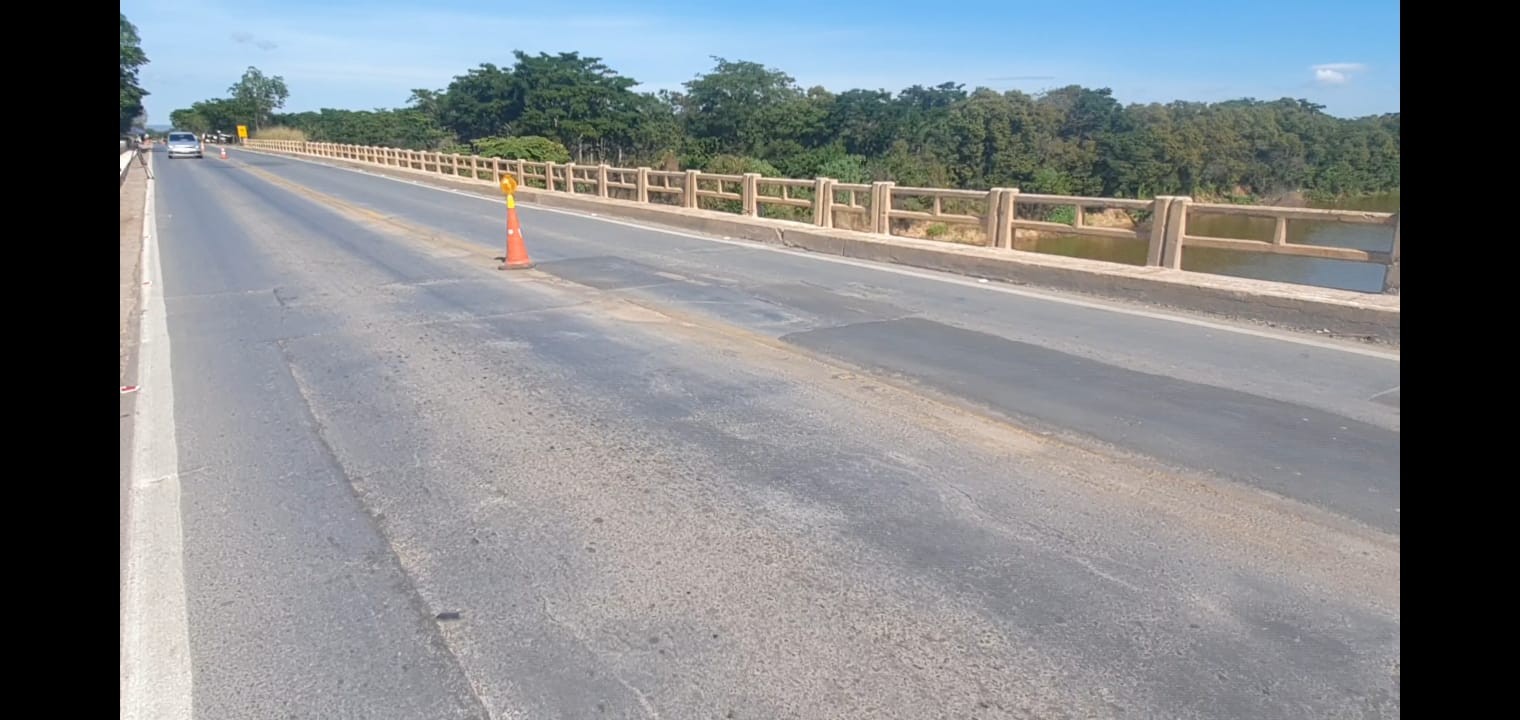
The National Department of Transport Infrastructure (DNIT) in Brazil is evaluating the use of ferries as a temporary solution for the BR-365 highway bridge over the Rio das Velhas, located between Várzea da Palma and Pirapora in Minas Gerais. The bridge has been under increasing circulation restrictions since January due to structural integrity issues requiring reinforcement. Initially, vehicles exceeding 25 tons were prohibited. By June, this limit was further reduced to 10 tons, significantly impacting truckers, farmers, and businesses. Drivers are experiencing longer travel distances and facing challenges with the alternative routes. The DNIT has declared a state of emergency to expedite the hiring of a specialized company for repairs, a process expected to conclude within 20 days. Concurrently, the department is assessing the feasibility of implementing ferry services to maintain traffic flow. Real-time monitoring of the bridge is ongoing, with the current restrictions deemed essential for user safety and to prevent further structural deterioration. Recent analyses indicate a progressive reduction in the bridge's rigidity and an accelerated accumulation of damage, necessitating measures like a 24-hour stop-and-go system and strict weight controls.
The DNIT's response highlights a critical infrastructure challenge where immediate safety concerns necessitate severe operational limitations, disrupting economic activity. The consideration of ferries, while a pragmatic short-term fix, underscores the potential for cascading logistical impacts and increased operational costs for affected industries. This situation prompts reflection on the long-term investment strategies for maintaining aging transportation networks, particularly in regions reliant on such arteries. The accelerated damage observed suggests a need for more proactive structural health monitoring and predictive maintenance protocols, especially as climate change and increased traffic loads place greater stress on infrastructure. Future planning must integrate resilience and adaptive capacity into transportation systems to mitigate the economic and social consequences of such failures.
AI-generated to prompt reflection — not editorial opinion, not advice, not a statement of fact. How this works.