Brazil's DTV+ Platform Integrates Public Services into Free-to-Air Television
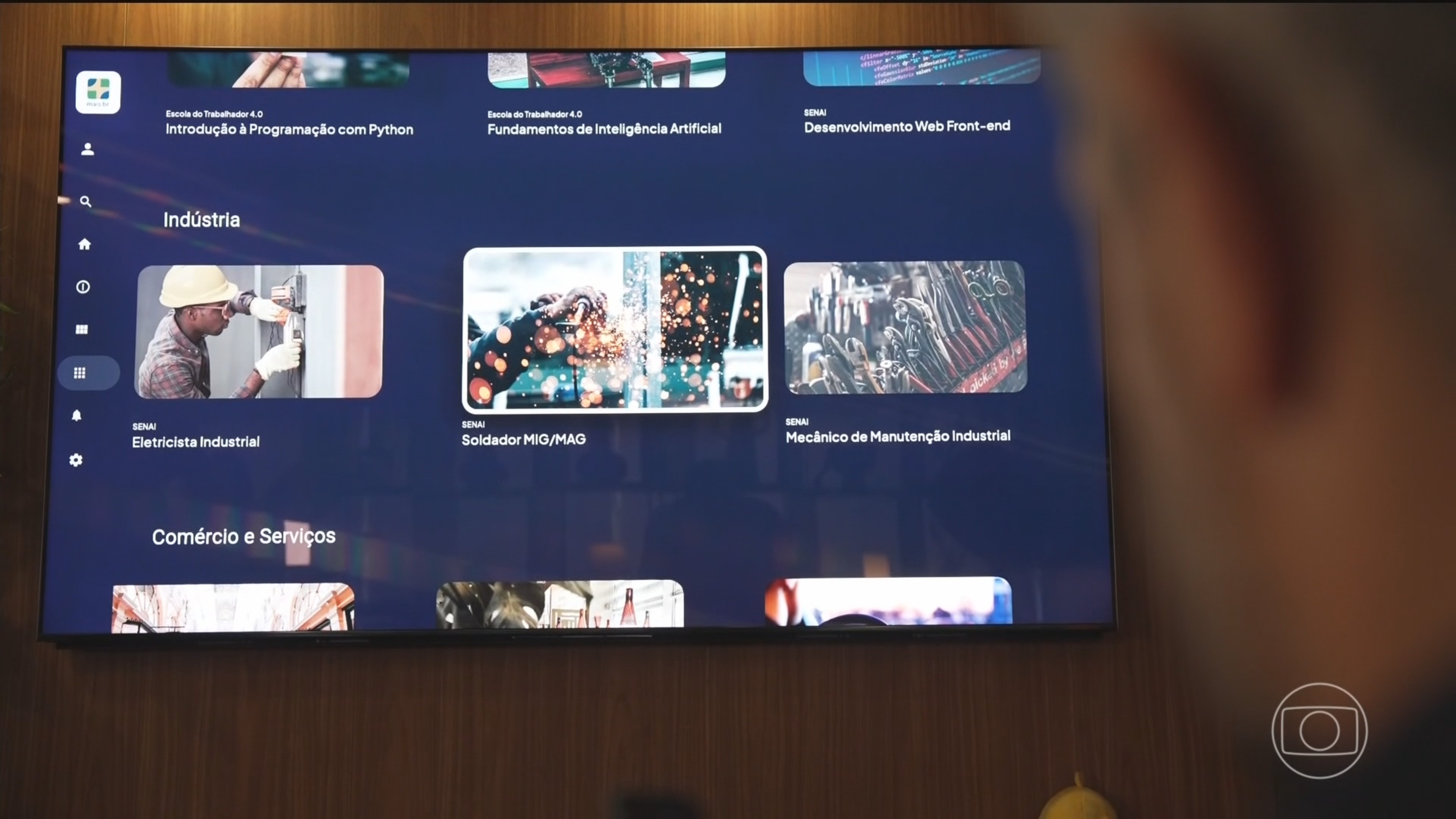
Brazil's free-to-air television is evolving with the introduction of DTV+, a new platform aiming to merge entertainment, information, and public services. Building on the advancements of digital TV, DTV+ offers enhanced features, including 4K image quality and improved sound, alongside interactive capabilities that were first tested during the World Cup. Viewers can now utilize their remote controls to access a variety of public services directly on their television screens, transforming the TV into a portal for citizenship.
Initially available in Rio de Janeiro, São Paulo, and Brasília, DTV+ provides access to public channels featuring content on culture, Black culture, women's issues, children's programming, and cinema. It also includes a section dedicated to federal government vocational courses, covering topics like artificial intelligence and Excel, aimed at improving job market readiness. The platform is designed to be intuitive, offering information on local services such as popular pharmacies in the Federal District.
João Brant, Secretary of Digital Policies at SECOM, highlighted DTV+'s potential to connect citizens with government services, including those from federal entities like the Chamber of Deputies, the Senate, and TV Justiça, as well as state and municipal offerings. He emphasized the significant leap in accessibility for services like telehealth through the SUS, making essential resources more readily available in households. Students like Ana Clara Medeiros Machado, Manuela Silva Costa, Isabela Rolim, and Pedro Lucas Alves de Oliveira expressed enthusiasm for the platform's vast content diversity and ease of access, comparing it favorably to past methods of information retrieval.
The DTV+ initiative represents a strategic convergence of broadcast television and digital internet services, aiming to enhance civic engagement by leveraging existing broadcast infrastructure. By integrating public services into a free-to-air platform, the project addresses potential digital divides and seeks to democratize access to government information and resources. The system's design, allowing remote control interaction for service access, mirrors trends in smart TV interfaces, suggesting an adaptation to evolving consumer technology habits. Future considerations may include ensuring robust cybersecurity for sensitive public service data and developing sustainable funding models for content creation and platform maintenance, especially as the platform expands beyond its experimental phase in select cities.
AI-generated to prompt reflection — not editorial opinion, not advice, not a statement of fact. How this works.