Brazil's e-Título App Updated with New Security Features and Services
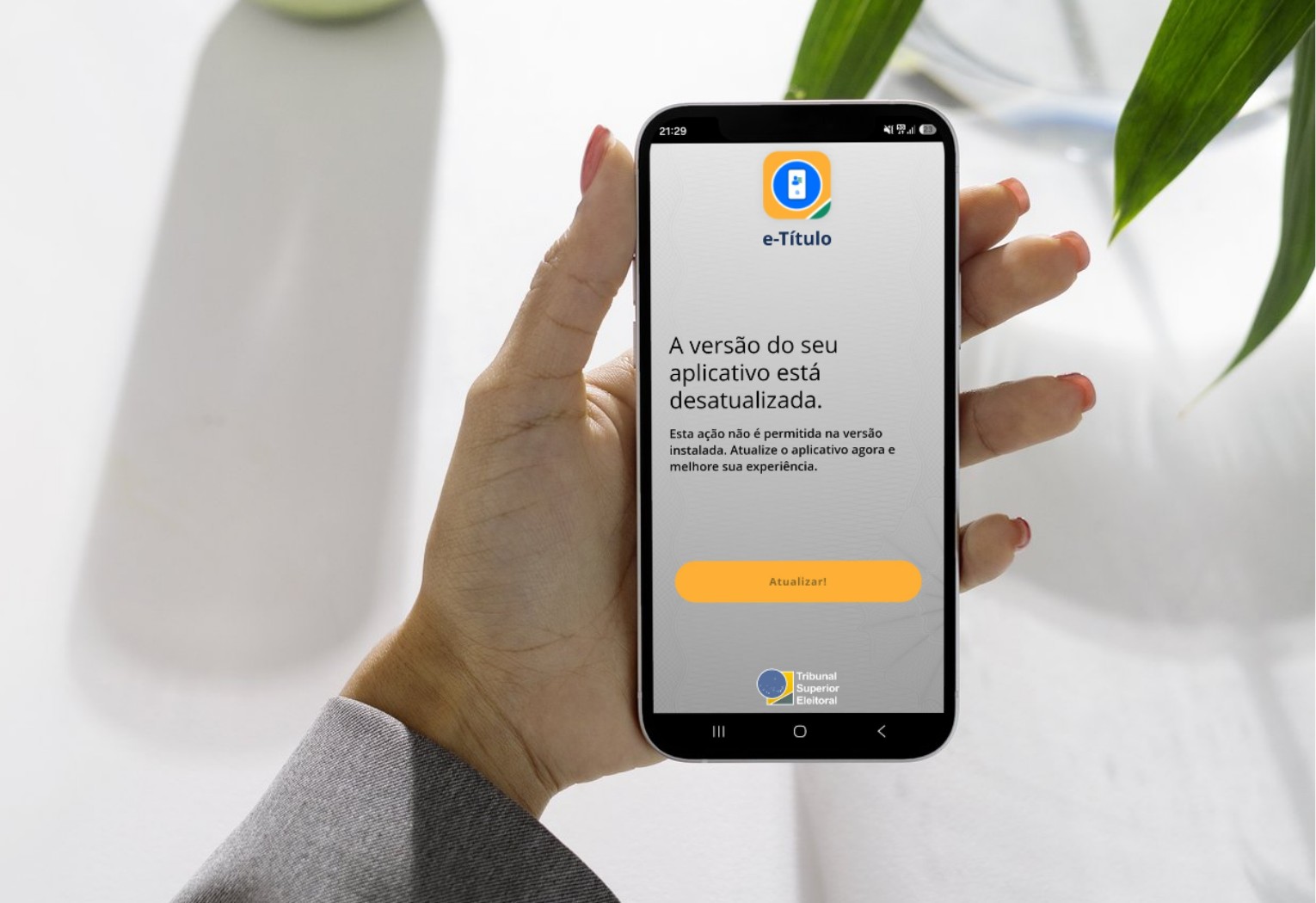
Voters in Tocantins, Brazil, can now download an updated version of the e-Título application, developed by the Superior Electoral Court (TSE). The TSE has enhanced the app to centralize services and introduce new security functionalities. Electoral Justice advises downloading the update in advance of the October 4th election to prevent potential virtual congestion. The revised e-Título allows users to track requests, issue party affiliation certificates, and validate documents using QR codes, all within a single platform. Key new features include real-time tracking of electoral requests, the ability to issue simple or historical party affiliation certificates for users with validated biometrics, and a temporary token generation for identity validation with partner systems, secured by facial recognition. Automatic synchronization ensures that changes to personal data like name or marital status are updated instantly on the home screen. The app also streamlines the process for justifying absence on election day and allows for the payment of electoral fines via Pix or credit card. The e-Título serves as a valid identification document on election day for voters with registered biometrics and a profile photo. If the photo is unavailable, a physical official identification document will be required. The TSE emphasizes that app downloads are often suspended close to election day to ensure system stability, urging voters to complete their updates well in advance.
The TSE's proactive update of the e-Título application reflects a strategic effort to enhance voter engagement and streamline electoral processes through digital transformation. By integrating features like real-time request tracking, digital document validation, and secure identity verification via facial recognition, the TSE aims to bolster both user convenience and system integrity. This technological advancement addresses potential bottlenecks and security concerns, particularly as elections approach. The emphasis on advance download and biometric validation highlights a systemic approach to ensuring a smooth and secure voting experience, leveraging digital infrastructure to reinforce democratic participation. Future iterations could explore further integration with other government digital services, potentially creating a more unified digital identity framework for citizens.
AI-generated to prompt reflection — not editorial opinion, not advice, not a statement of fact. How this works.