Brazil's Economic Reciprocity Law Debated Amidst US Tariffs
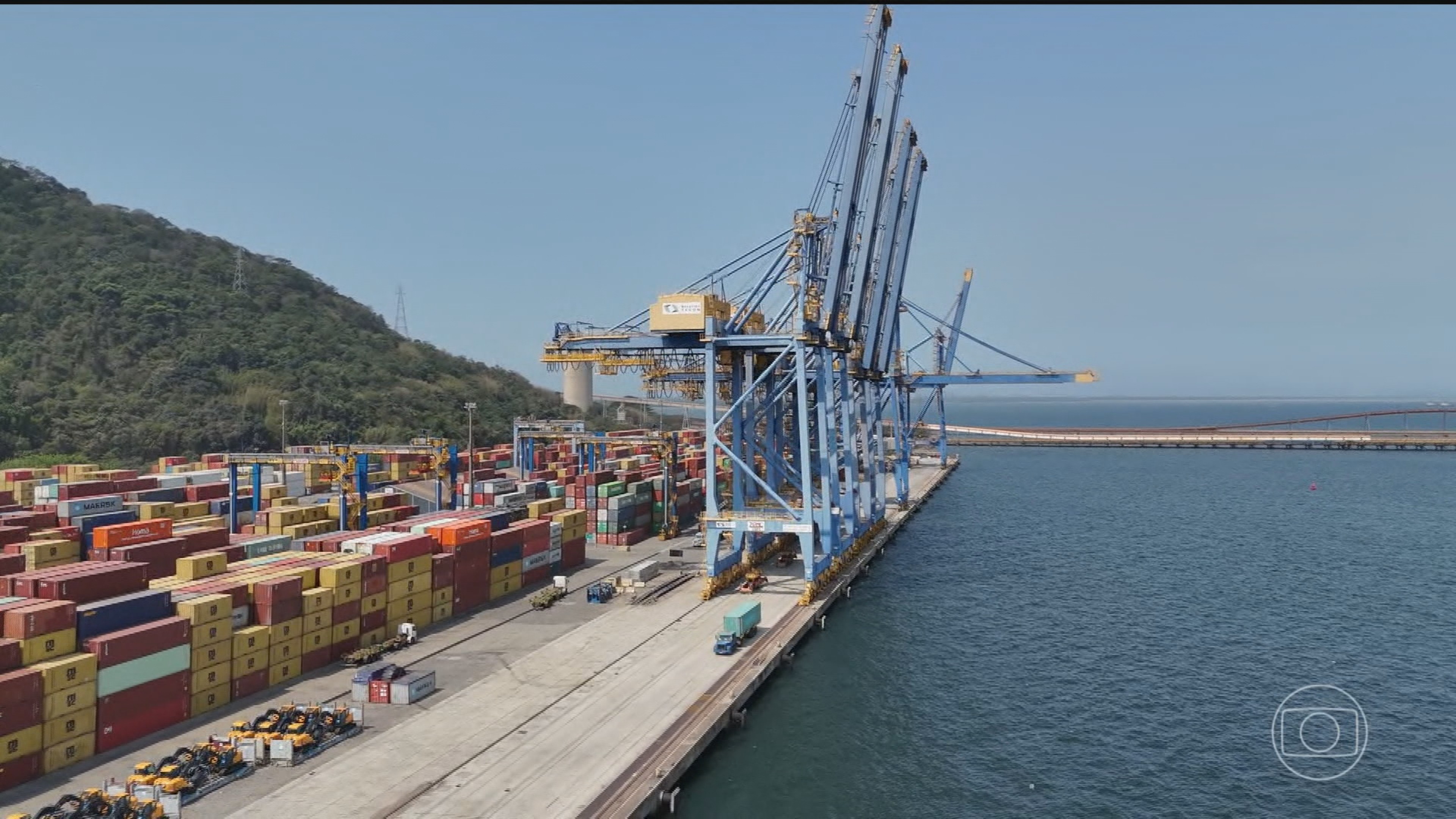
Brazil's Economic Reciprocity Law has been reignited as a topic of discussion following the recent tariff announcement by the Trump administration. This law outlines the conditions and methods under which the Brazilian government can respond to protectionist measures imposed by other countries, such as the tariffs on nearly 3,000 Brazilian products entering the U.S. Experts suggest that the law could be applied to counter restrictions on Brazilian exports to the U.S. and the European Union. Rubens Barbosa, former Brazilian Ambassador to the U.S., stated that the law's application is theoretically possible when Brazil faces such protectionist measures. Roberto Azevêdo, former Director-General of the World Trade Organization, explained that the decision rests with the Brazilian Executive branch, which can consult with the private sector and other stakeholders before adopting measures without requiring Congressional approval. Potential responses include increasing tariffs on U.S. products entering Brazil or suspending benefits and intellectual property rights, such as patent waivers for medicines and software. However, these actions would involve a multi-stage process, including public consultations and technical analyses. Oliver Stuenkel, Associate Professor of International Relations at FGV, emphasized that the law is designed for careful consideration and diplomacy, not rapid escalation, making a swift implementation or the start of a tariff war unlikely. The reciprocity law, enacted in 2025 after initial U.S. tariff threats, has not yet been invoked. The current challenge for Brazilian negotiators is to react to measures harming the Brazilian economy without creating undue friction with the U.S., a significant trading partner. Barbosa noted that Brazil's reliance on certain U.S. products and technologies necessitates negotiation rather than erecting barriers that could harm bilateral trade. Azevêdo highlighted the need for careful calculation to encourage more cooperative behavior from the U.S. Stuenkel added that demonstrating firmness while avoiding escalation is crucial, especially considering the U.S. is a major trading partner, though China is Brazil's most significant partner. The immediate priority is to ensure that sectors heavily exposed to U.S. tariffs can effectively manage the current crisis.
The re-emergence of Brazil's Economic Reciprocity Law in response to U.S. tariffs highlights the complex interplay between national economic interests and international trade relations. The law's provisions, allowing for retaliatory measures, present a strategic dilemma: balancing the need to protect domestic industries from perceived unfair practices against the risks of escalating trade disputes with a major economic partner. The emphasis on diplomatic consultation and technical analysis suggests a preference for de-escalation, reflecting an understanding that broad-based tariff wars can inflict significant damage on all parties involved, particularly for economies like Brazil's that are integrated into global supply chains and reliant on specific imported technologies. Looking ahead, the efficacy of such reciprocity laws will be tested by evolving geopolitical dynamics and the potential for technological decoupling, requiring sophisticated negotiation strategies that prioritize long-term economic stability and diversified trade relationships over short-term retaliatory gains.
AI-generated to prompt reflection — not editorial opinion, not advice, not a statement of fact. How this works.