Brazil's Education Minister Touts New IMPA Tech Campus in Teresina
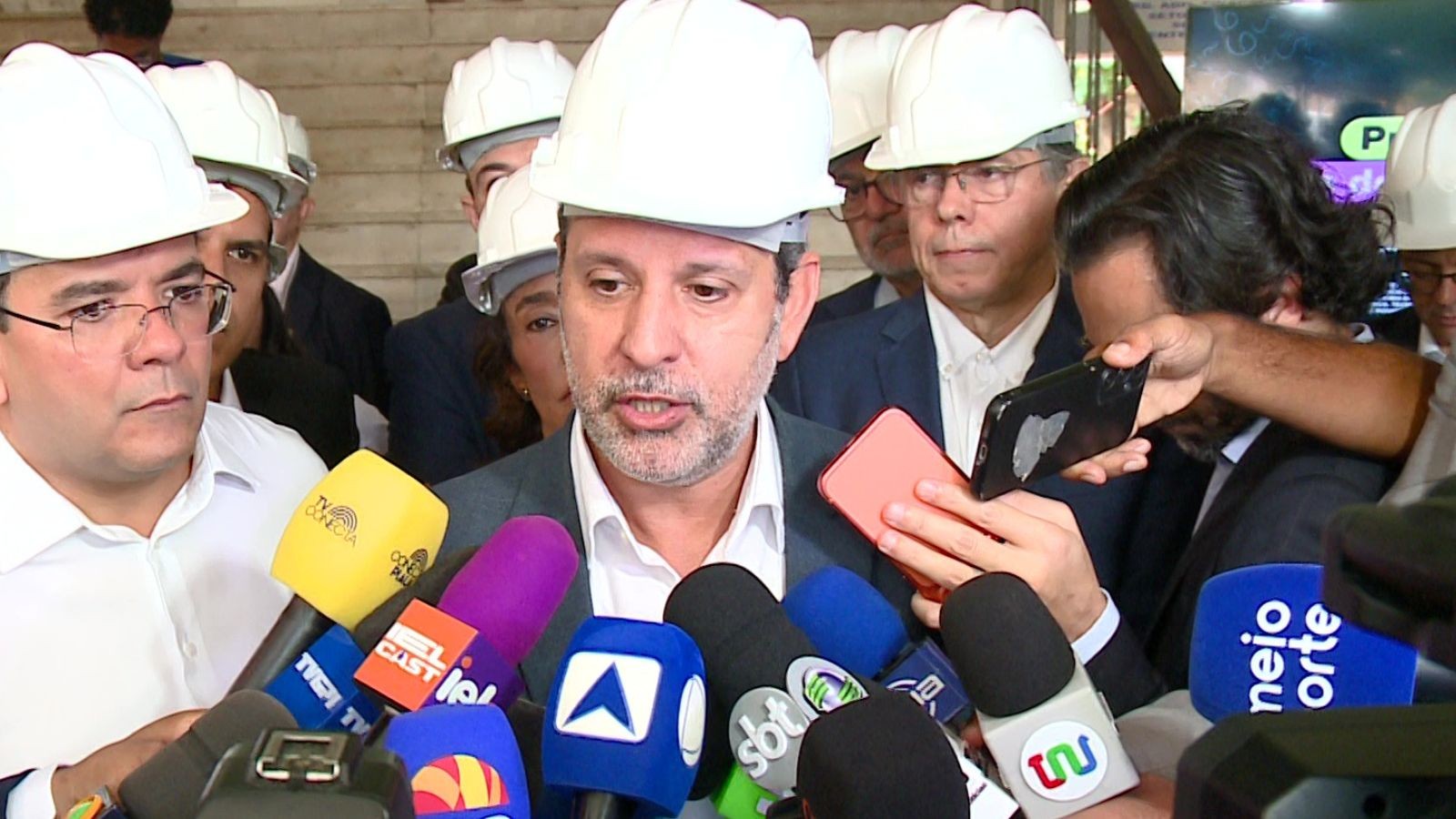
Brazil's Minister of Education, Leonardo Barchini, visited Teresina on Wednesday, March 15th, to inspect the construction of the Northeast campus of the Institute of Pure and Applied Mathematics (IMPA) Tech. During his visit, Minister Barchini declared that the new institute aims to attract "the best students in Brazil." The selection process will be national, prioritizing students with strong performance in scientific olympiads, particularly the Brazilian Public School Mathematics Olympiad (OBMEP). Barchini described the selection as "very tough" and emphasized that the campus, set to open in March 2027, will be a center of excellence. IMPA Tech Nordeste will be the first IMPA campus located outside the Rio-São Paulo region, initially offering 50 spots for a bachelor's degree in Mathematics for Technology and Innovation. The minister explained that Teresina was chosen due to Piauí's strong educational indicators, including over 80% of high school enrollments being full-time and 66% in vocational education, which have positively impacted national assessments like Ideb and Enem. Additionally, Barchini addressed the "Pé-de-Meia" program, noting that the number of beneficiaries who have not yet accessed their deposited funds has decreased from 1.3 million to 700,000, attributing this to parental authorization requirements for minors and students opting to save the funds. He also stated the program is helping reduce school dropout rates and increase Enem participation. Regarding the Fundeb (Basic Education Development and Maintenance Fund), the Ministry of Education is monitoring a Senate proposal's potential impact, aiming to value education professionals while ensuring feasibility.
The establishment of IMPA Tech Nordeste in Teresina signifies a strategic decentralization of advanced STEM education in Brazil, aiming to leverage regional strengths and national talent. The selection criteria, prioritizing olympiad participants, suggest a focus on cultivating a highly specialized talent pool. The minister's justification for the location, citing Piauí's educational metrics, highlights the potential for data-driven policy in educational infrastructure development. This initiative could foster regional economic growth by creating a hub for innovation and highly skilled labor, potentially mitigating the concentration of opportunities in major urban centers. The success of such a venture will depend on sustained investment, effective curriculum design, and the ability to integrate graduates into the national and global innovation ecosystems over the next decade.
AI-generated to prompt reflection — not editorial opinion, not advice, not a statement of fact. How this works.