Brazil's Electoral Ban Begins: Restrictions on Public Officials Take Effect
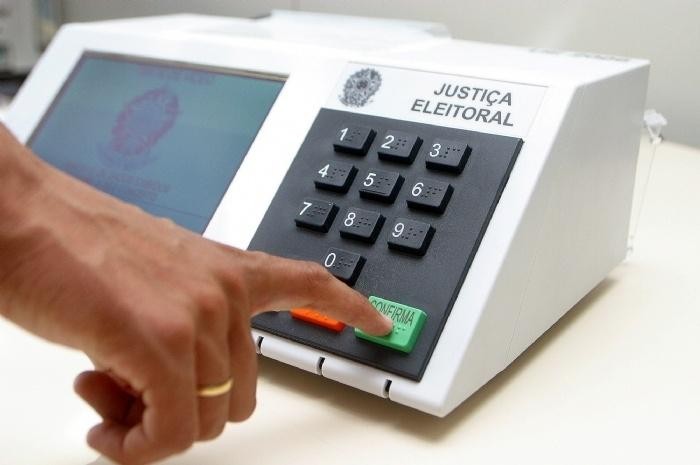
Starting Saturday, April 4th, three months before the first round of elections, Brazil's electoral ban, known as "defeso eleitoral," comes into effect, imposing restrictions on public officials and candidates holding public office. The primary objective is to prevent the misuse of public administration structures to favor specific candidacies, thereby aiming to create a more balanced electoral contest. Amanda Cunha, an electoral law specialist, noted that individuals already in public office possess inherent advantages in terms of exposure and familiarity with voters.
Key prohibitions include the appointment, hiring, transfer, or dismissal of public servants, with exceptions for specific roles like commission positions and functions of trust. The hiring of public funds for artistic shows at public works inaugurations is also forbidden, as is the attendance of candidates at such events. Institutional advertising by public bodies is banned, with legal exceptions, and official websites and channels must remove identifying elements of authorities or administrations whose positions are contested in the election. Furthermore, voluntary transfers of resources from the Union to states and municipalities, and from states to municipalities, are prohibited, unless in cases of emergency, public calamity, or for ongoing projects with pre-set schedules.
Violations of these electoral rules can lead to various sanctions, including the suspension of irregular conduct, fines for those responsible, and, if a candidate is found to have benefited, the cancellation of their candidacy registration or elected diploma. More severe infractions may also constitute abuse of political power or administrative misconduct, potentially resulting in additional legal penalties.
This electoral ban aims to level the playing field by restricting the use of public resources and positions for political advantage. The regulations address the inherent asymmetry between incumbent public officials and challengers, who may lack similar access to state infrastructure and public visibility. The effectiveness of these measures hinges on robust enforcement by the Electoral Justice system to deter violations and ensure accountability, preventing potential abuses of political power or administrative misconduct. Looking ahead, as digital platforms and state-controlled media continue to evolve, future electoral integrity will increasingly depend on transparent governance and the equitable access of all candidates to public discourse, mitigating the influence of institutional advantages.
AI-generated to prompt reflection — not editorial opinion, not advice, not a statement of fact. How this works.