Brazil's Electoral Court Meets Research Institutes on Polling Standards
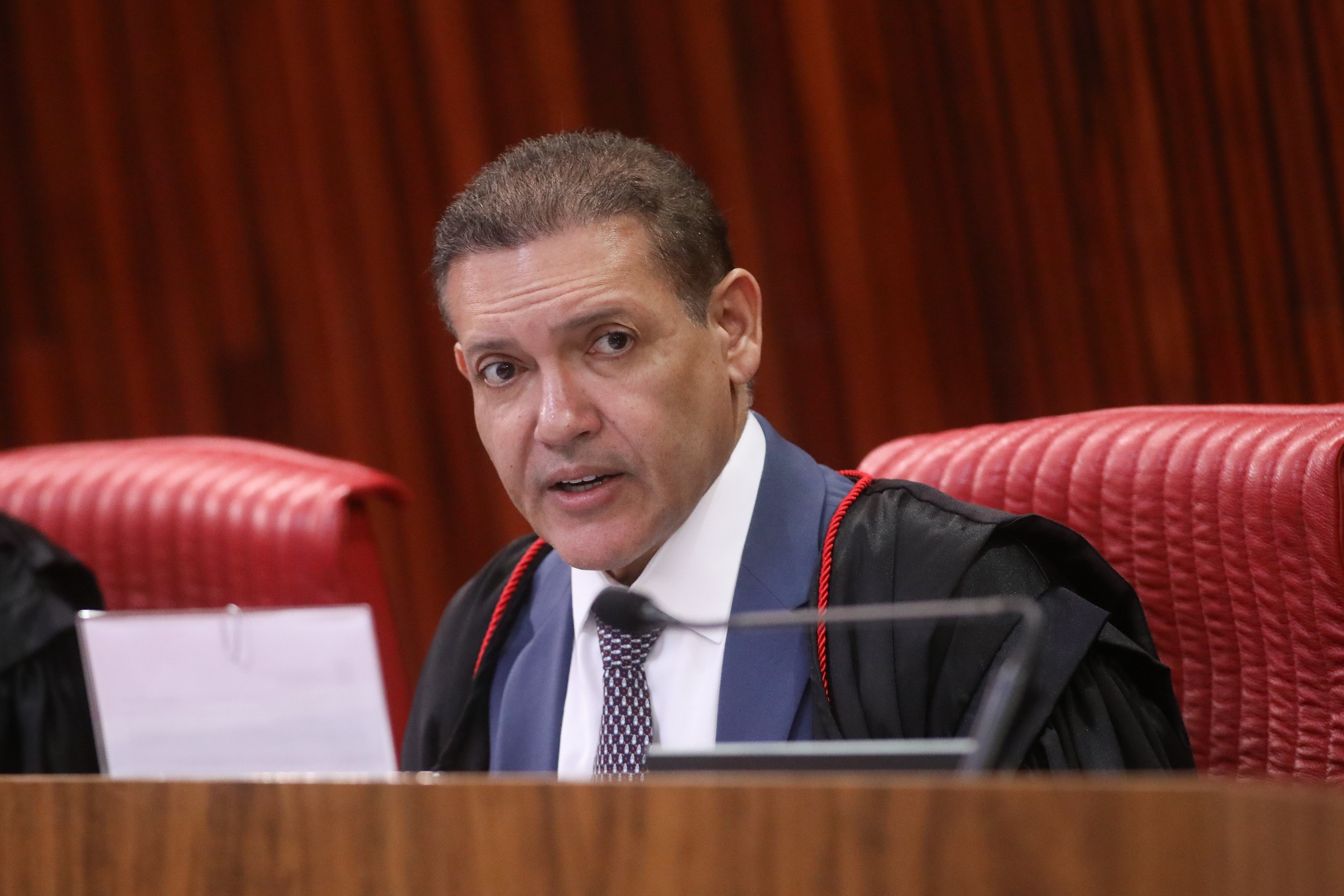
The Superior Electoral Court (TSE) president, Kassio Nunes Marques, convened a meeting with electoral research institutes on Tuesday, August 14th, to discuss guidelines for future intention-to-vote surveys. Vice-Prosecutor General Alexandre Espinosa is also expected to attend. This discussion follows the TSE's suspension of an AtlasIntel poll in May, highlighting concerns over polling methodologies. Most invited research firms will be represented by a lawyer from the Brazilian Association of Research Companies (ABEP), who will present a joint proposal for improving the polling process. Institutes are reportedly proceeding with caution due to the upcoming elections and emphasize the need for expert input to establish clear legal precedents. Political scientist Gabriela Rollemberg suggests the meeting aims to standardize digital data collection criteria and prevent further legal disputes. Potential outcomes include updating the PesqEle system for multimedia uploads, establishing best practices for question neutrality to avoid framing effects, and analyzing requirements for isolating digital survey responses before sensitive questions to prevent data contamination. Rollemberg warns that regulatory changes could be perceived as judicial interference in freedom of expression, balancing the demand for neutral questionnaires against the market's view that measuring the impact of public events is a legitimate indicator of the political climate. Current regulations, governed by the Law of Elections and TSE Resolution No. 23.600/2019, mandate registration of polls, submission of questionnaires, and formal declarations from statisticians. The TSE does not require public disclosure of all results but requires questionnaires to be filed. A recent controversy involved an AtlasIntel poll that included questions about leaked conversations and financial dealings, which the PL party argued unfairly influenced respondents against candidate Flávio Bolsonaro. TSE Minister Nunes Marques cited potential inducements in the questionnaire, prompting a request for technical documentation from AtlasIntel to verify its methodology.
This meeting addresses the critical intersection of electoral integrity and freedom of expression in Brazil's digital age. The TSE's scrutiny of polling methodologies, particularly concerning question design and the incorporation of external information like leaked audio, reflects a systemic tension. On one hand, there's a legitimate concern that biased questioning can manipulate public opinion, undermining democratic discourse. On the other, overly restrictive regulations risk stifling legitimate inquiry into public sentiment regarding current events, potentially limiting the free flow of information essential for an informed electorate. The challenge lies in establishing clear, objective standards that prevent undue influence without becoming a tool for censorship, ensuring that electoral surveys serve as accurate reflections of public will rather than instruments of political maneuvering. Future developments will likely hinge on balancing technological advancements in data collection with robust, transparent oversight mechanisms.
AI-generated to prompt reflection — not editorial opinion, not advice, not a statement of fact. How this works.