Brazil's Electoral Court to Award Research Institutes for Accurate Election Predictions
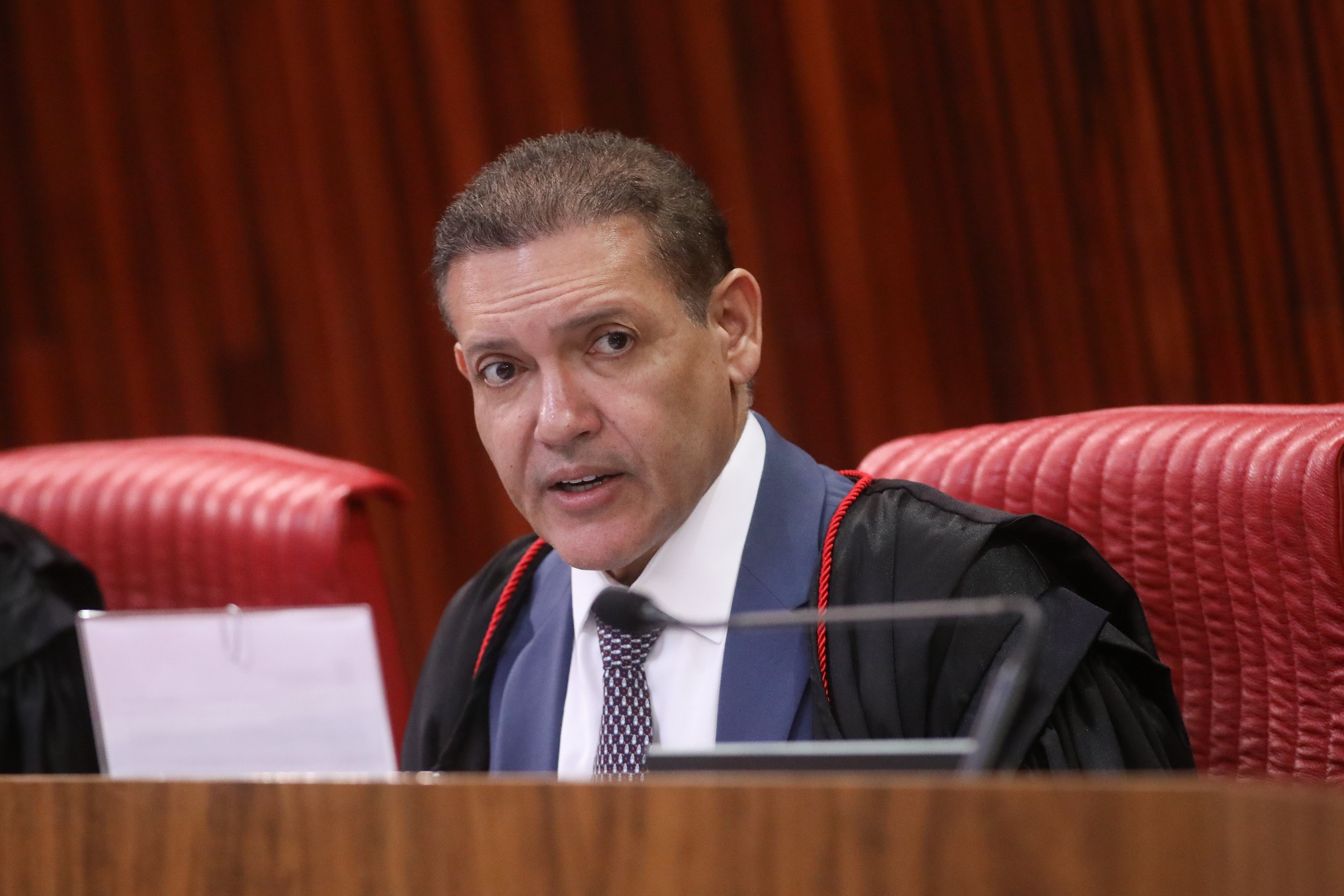
The President of Brazil's Superior Electoral Court (TSE), Kássio Nunes Marques, announced a proposal to create an "electoral accuracy seal" to recognize research institutes that most accurately predict election results. A draft of this proposal was presented to 16 polling institutes during a meeting at the TSE on Tuesday, August 14th. This initiative aims to acknowledge entities whose estimates most closely align with official election outcomes, thereby promoting best practices and technical improvement in electoral polling through public recognition. The TSE President stated that this mechanism is designed to value good practices and the continuous technical enhancement of electoral surveys by publicly recognizing those firms demonstrating high accuracy. Research institutes have until Friday, July 17th, to submit their contributions to the proposal, which will be used to define the award criteria. Nunes Marques highlighted the significant role electoral polls play in Brazilian public discourse, noting that voters place considerable value on the information they provide, which helps in understanding electoral dynamics and engaging the public. This proposal follows an interruption in the TSE's review of a case involving a poll by Instituto AtlasIntel, which had its content removed and dissemination suspended by an individual decision from President Nunes Marques. The suspended poll, conducted in May, showed a five-point drop in voting intentions for pre-candidate Flávio Bolsonaro. The decision came after an audio leak of a conversation where the senator allegedly requested money from banker Daniel Vorcaro for a film about Jair Bolsonaro. The plenary review of this case was paused at the request of Minister Estela Aranha for further evaluation, and Nunes Marques's individual decision remains in effect until the judgment is resumed, with no set date.
The TSE's proposed "electoral accuracy seal" aims to incentivize precision in polling, potentially enhancing public trust in electoral forecasts. However, this initiative could inadvertently create a perception of preferential treatment or undue influence on research methodologies, especially following the controversy surrounding the AtlasIntel poll. The TSE must ensure the award criteria are transparent, objective, and insulated from political pressures to maintain the integrity of the electoral process. In the evolving digital landscape, where information dissemination is rapid and algorithms play a significant role, fostering genuine accuracy requires a robust framework that accounts for methodological diversity and ethical data collection, rather than solely focusing on post-election validation. This approach could help navigate the complexities of public opinion measurement in an era increasingly shaped by AI and big data.
AI-generated to prompt reflection — not editorial opinion, not advice, not a statement of fact. How this works.