Brazil's Electoral Profile: Age, Education, and Demographics Revealed by TSE Data
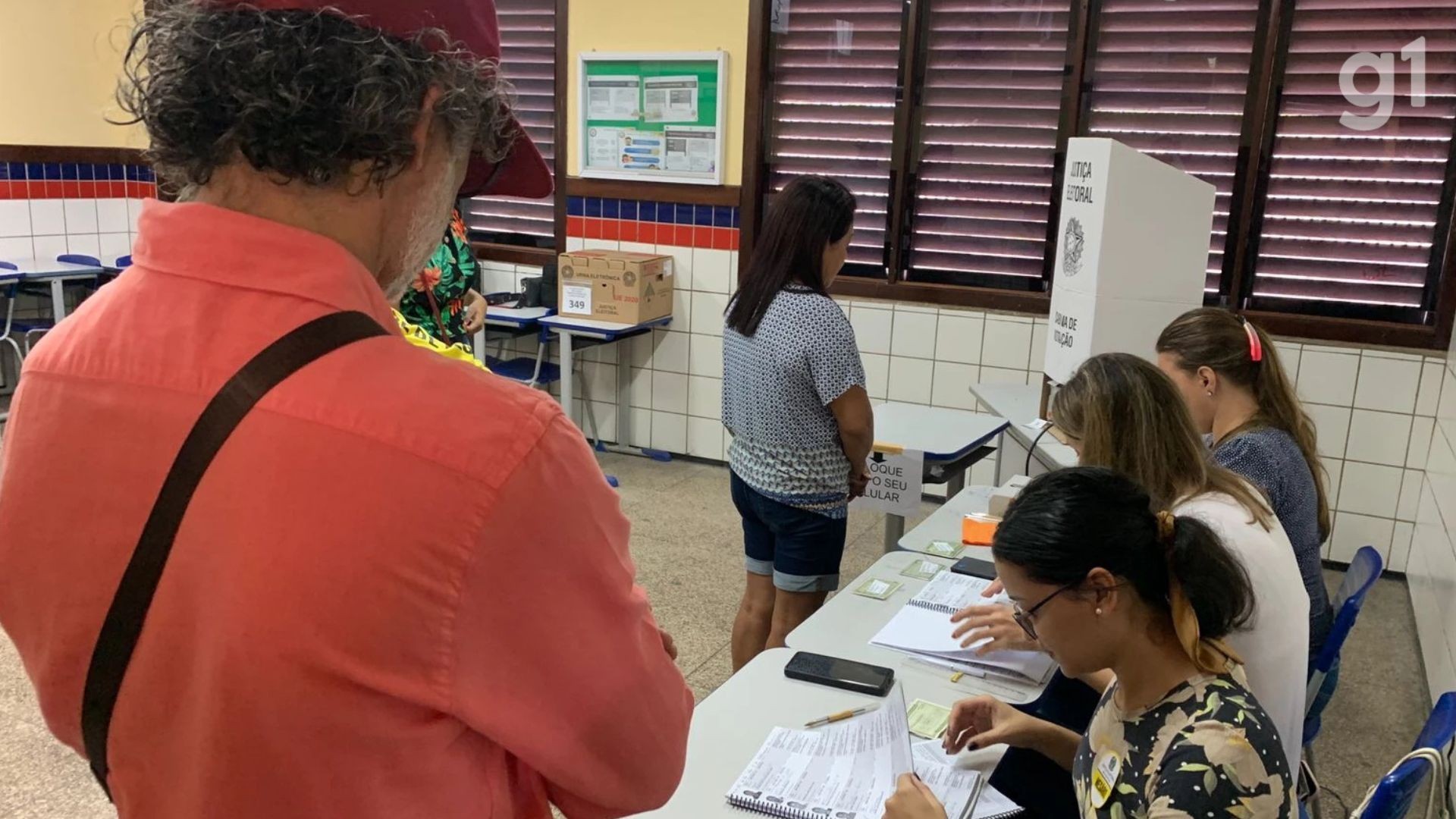
The Superior Electoral Court (TSE) has released comprehensive data on Brazil's electorate, comprising over 158.8 million citizens eligible to vote in the 2026 elections. São Paulo stands as the largest electoral college with 34.1 million voters, representing 21.5% of the national total, followed by Minas Gerais (16.4 million), Rio de Janeiro (12.9 million), and Bahia (11.3 million). These four states collectively account for 47% of all Brazilian voters. In contrast, Roraima has the smallest electorate, with 401,600 voters, followed by Amapá and Acre.
The data also provides insights into the demographic makeup of voters across different states. The 40-44 age group is the most numerous in 17 states, while the 25-29 age group dominates in nine states. Ceará is the sole state where the 30-34 age bracket forms the largest segment. Regarding education, a complete high school education is the most prevalent among voters in 22 states. However, Rio Grande do Sul, Paraíba, Piauí, Alagoas, and Sergipe show a majority with incomplete primary education. For voters abroad, higher education is the most common educational attainment.
Further breakdowns reveal that 1.97 million voters declared a disability, with São Paulo having the highest absolute number. Proportionally, Rio Grande do Norte leads with 1.60% of its electorate reporting a disability. Approximately 40,155 voters use a social name in their registration, with São Paulo accounting for nearly a third of these. The TSE data also includes 918,941 Brazilians eligible to vote from abroad, among whom the 40-44 age group is most represented, and higher education is the most common schooling level.
The release of detailed electoral demographics by Brazil's TSE offers a granular view of the nation's voting population, highlighting significant regional disparities in size and demographic composition. The concentration of voters in the four largest states underscores the influence of these regions on national electoral outcomes. The data on age and education levels provides crucial context for political campaign strategies and policy development, indicating potential shifts in voter priorities and concerns. Furthermore, the inclusion of data on voters with disabilities and those using social names reflects evolving societal inclusivity within the electoral framework. Analyzing these trends offers insights into the long-term demographic shifts that will shape Brazil's political landscape and governance in the coming decade, particularly in the context of an increasingly digital and diverse society.
AI-generated to prompt reflection — not editorial opinion, not advice, not a statement of fact. How this works.