Brazil's Electoral 'Quiet Period' Causes Public Data Blackout, Hindering Access to Information
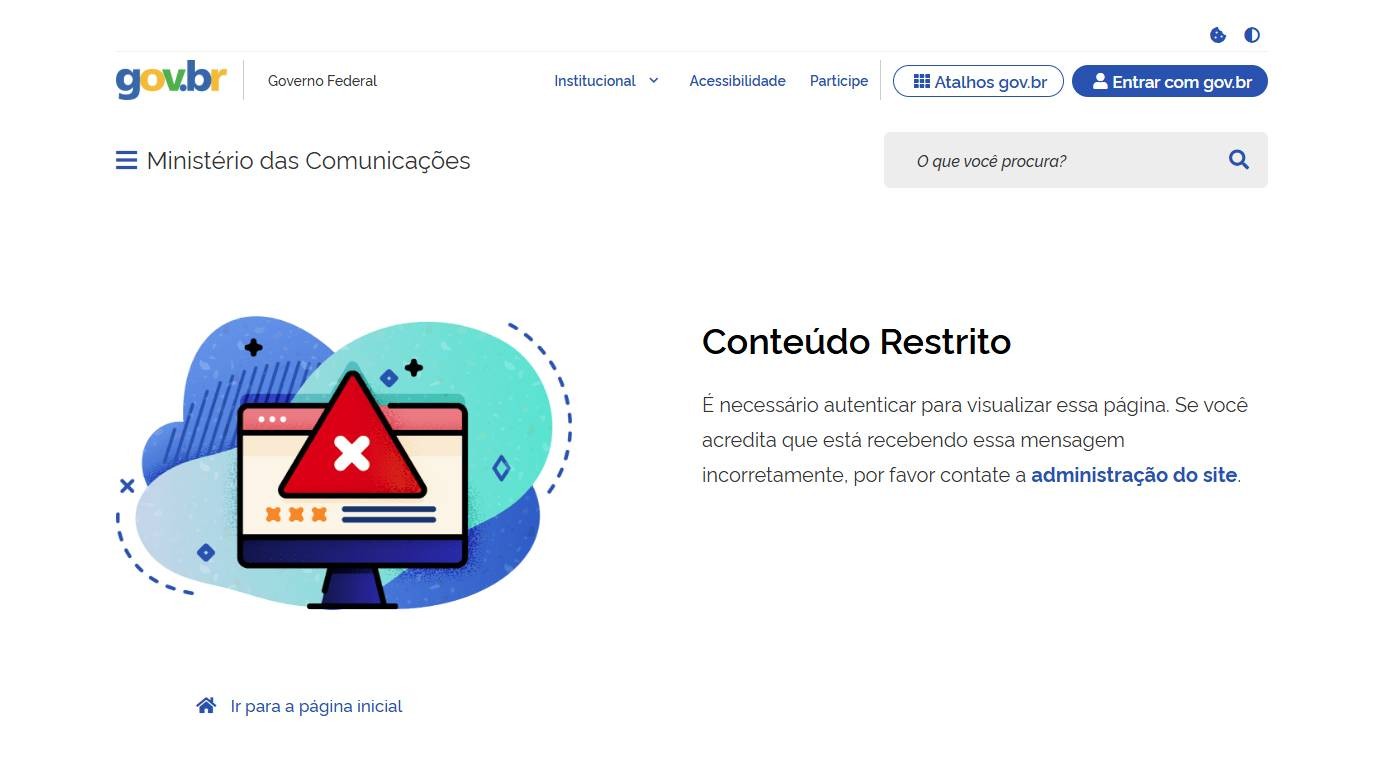
Brazil is experiencing a significant blackout of public data due to an overly cautious interpretation of electoral legislation, known as "defeso eleitoral." This "quiet period," which began on July 4, 2026, and lasts for three months leading up to elections, prohibits "institutional advertising" by public bodies. In an effort to avoid potential sanctions, many government agencies and entities have preemptively removed vast amounts of essential data from their websites and platforms. This includes crucial information for scientific research, policy formulation, and public oversight. Examples of inaccessible content range from reports on deforestation and declining infant mortality rates to data from the National Institute for Space Research (Inpe) and the National Archives. This phenomenon, termed the "apagão das canetas" (pen blackout), stems from public officials' fear of personal repercussions, leading to decision paralysis and the suppression of information. The indiscriminate removal of data contradicts the principles of transparency enshrined in Brazil's Access to Information Law and the Constitution, which mandate public access to information as a general rule. While the electoral law aims to prevent the misuse of public resources for political campaigning and ensure fair elections, its broad interpretation is now actively violating other legal obligations. This data blackout creates recurring gaps in institutional memory and hinders citizens' ability to access qualified information about government performance, particularly during the election period when such information is most needed. Organizations like Fórum de Direito de Acesso a Informações Públicas and Transparência Brasil have proposed solutions to the Superior Electoral Court (TSE), advocating for resolutions that explicitly safeguard the Access to Information Law during the restricted period. While some progress has been made with TSE Resolution No. 23.735/2024, which clarifies that maintaining informational and technical content does not constitute prohibited institutional advertising, the issue of excessive caution persists.
The current situation in Brazil highlights a systemic tension between electoral integrity measures and the fundamental right to public information. An overly restrictive interpretation of "institutional advertising" during the electoral "quiet period" is creating an unintended consequence: a "pen blackout" that impedes transparency and hinders scientific research and policy development. This overcautious approach, driven by fear of sanctions, paradoxically leads public bodies to violate their legal obligations to disclose information. The core issue lies in the ambiguity of "institutional advertising" and the lack of uniform jurisprudence, prompting a default to extreme caution rather than nuanced application of the law. Moving forward, clearer guidelines and judicial interpretations are needed to distinguish between legitimate public information dissemination and prohibited political promotion, ensuring that electoral regulations protect democratic equality without sacrificing institutional transparency and public access to data. The recurring nature of this problem every two years suggests a need for structural reforms that embed robust transparency protocols within the electoral framework, fostering a culture of informed public discourse rather than data scarcity.
AI-generated to prompt reflection — not editorial opinion, not advice, not a statement of fact. How this works.