Brazil's Electricity Tariff Flag to Remain Yellow in August
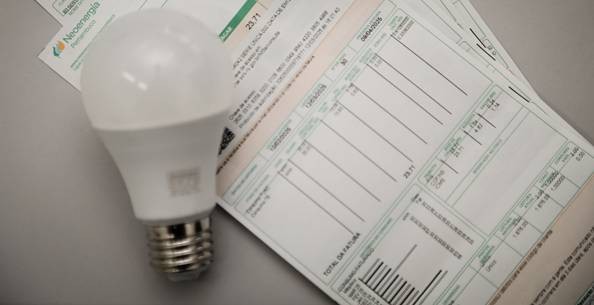
Brazil's National Electric Energy Agency (Aneel) announced on Friday, August 31st, that the electricity tariff flag for August will continue to be yellow. This means consumers will face an additional charge of R$1.885 for every 100 kilowatt-hours (kWh) consumed. This extra charge has been in effect since May. The tariff flag system is designed to inform consumers about the actual costs associated with energy generation in the country. When energy generation becomes more expensive, an additional charge is automatically applied to electricity bills. Aneel explained that the yellow flag reflects less favorable energy generation conditions due to the dry season, which leads to reduced levels in hydroelectric power plant reservoirs. Consequently, more expensive thermoelectric power plants need to be activated. The color-coded system signals the state of energy generation: green indicates favorable conditions with no extra cost, while yellow signifies less favorable conditions. Red flags, at levels 1 and 2, indicate unfavorable and very unfavorable conditions, respectively, with higher additional charges. Specifically, the yellow flag adds R$18.85 per megawatt-hour (MWh), equivalent to R$1.88 per 100 kWh.
The continued application of the yellow tariff flag highlights the ongoing challenges in Brazil's energy generation mix, particularly the reliance on more expensive thermoelectric plants during dry periods. This system, while transparent about cost pass-through, places a direct financial burden on consumers. The recurring need to activate costly backup generation suggests potential systemic vulnerabilities in long-term energy planning and infrastructure resilience, especially concerning the impact of climate variability on hydroelectric capacity. Future energy policy may need to balance immediate cost management with investments in diversified, sustainable generation sources and grid modernization to mitigate the price volatility driven by environmental factors and reduce dependence on fossil fuel-based power.
AI-generated to prompt reflection — not editorial opinion, not advice, not a statement of fact. How this works.