Brazil's Enamed Medical Exam Undergoes Major Reforms for Integrated Assessment
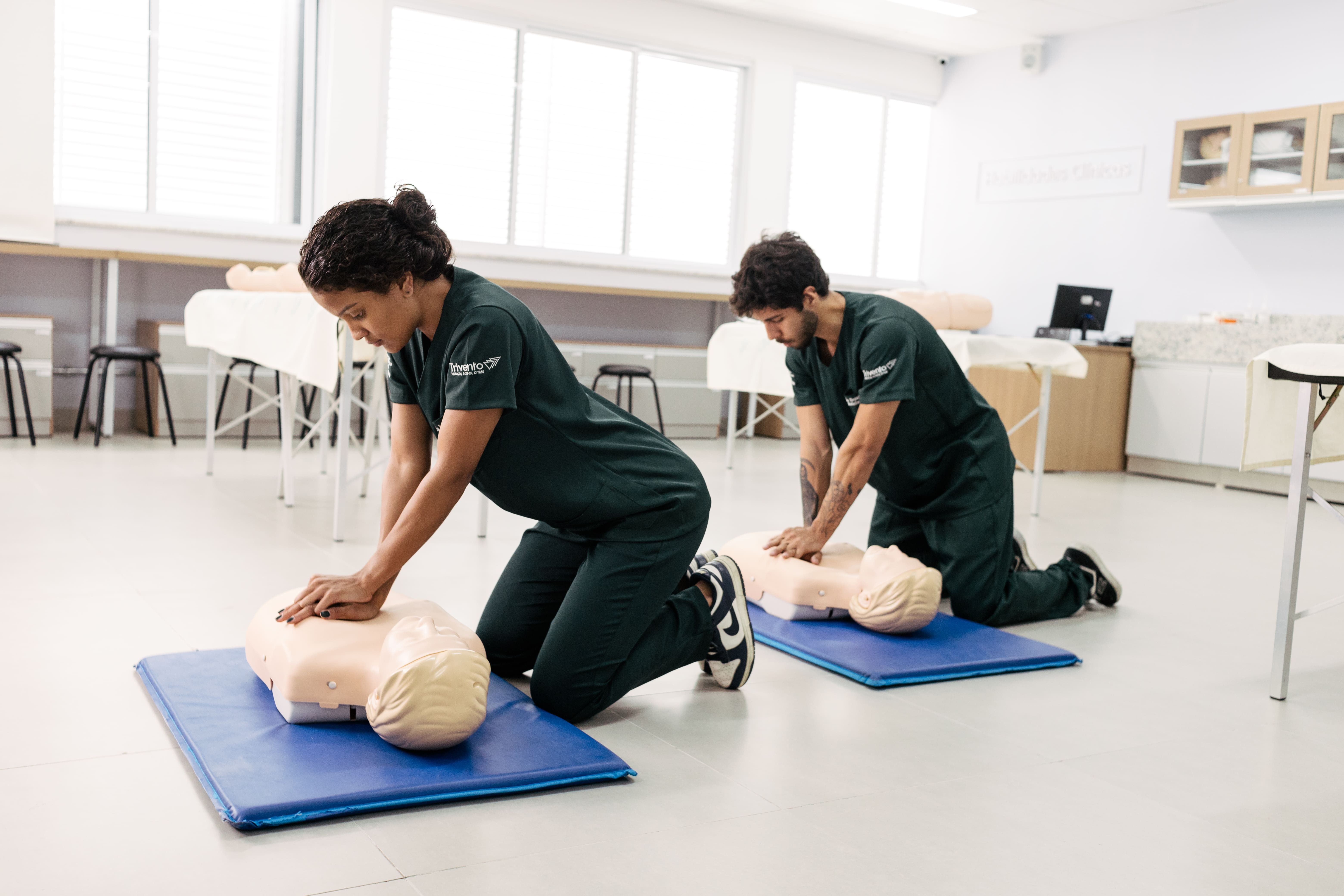
Brazil's National Medical Education Assessment Exam (Enamed) has been significantly reformed to create a more unified and strategic evaluation process for medical students. The primary change integrates undergraduate assessment with access to medical residency programs, impacting students at different career stages. Developed by the Ministry of Education (MEC), Enamed assesses the competencies, skills, and knowledge acquired by students upon graduation. Notably, the exam can now serve as a component of the National Residency Exam (Enare), meaning a single performance can influence multiple career milestones. These reforms aim to enhance the quality of medical training nationwide and improve student performance monitoring throughout their studies. A key new feature is the inclusion of fourth-year students, for whom the exam will serve a diagnostic purpose, identifying areas for improvement before course completion. For graduating students, participation remains mandatory and gains even greater professional significance. The Enamed will now be administered annually, providing more frequent data for institutions to refine their curricula and teaching methodologies. This shift requires students to maintain continuous preparation throughout their entire degree, focusing on technical knowledge, clinical reasoning, decision-making, and comprehensive patient care skills. Medical education experts suggest this new format aligns Brazilian assessment with international models that emphasize ongoing training evaluation and continuous quality improvement in teaching. The reforms also place greater responsibility on educational institutions, equipping them with more comprehensive indicators to revise curricula, promote active learning methodologies, and expand practical experiences. Consequently, selecting a reputable medical school with modern infrastructure, simulation labs, early clinical exposure, qualified faculty, and close student support is crucial for alignment with the new Enamed competencies. The Serra Dourada College of Lorena is adapting to these changes through investments in infrastructure, innovative teaching methods, and practical training, structuring its program to blend theory and practice from the outset. The college is currently accepting applications for its Merit Scholarship Competition for the Medicine program, with an online exam scheduled for July 25th.
The restructuring of Brazil's Enamed exam signifies a move towards a more continuous and integrated assessment model in medical education. By linking undergraduate performance directly to residency access and incorporating diagnostic evaluations for earlier years, the system incentivizes ongoing student development and provides institutions with more granular data for curriculum enhancement. This approach, aligning with international trends, aims to elevate medical training quality by fostering consistent skill acquisition and institutional accountability. The increased emphasis on practical application and continuous preparation may challenge traditional pedagogical structures, requiring both students and educators to adapt to a more dynamic learning environment. The success of these reforms will likely depend on the robustness of institutional support systems and the clarity of performance metrics in guiding future improvements.
AI-generated to prompt reflection — not editorial opinion, not advice, not a statement of fact. How this works.