Brazil's Evolving Football Identity: Balancing Tradition and Modern Demands
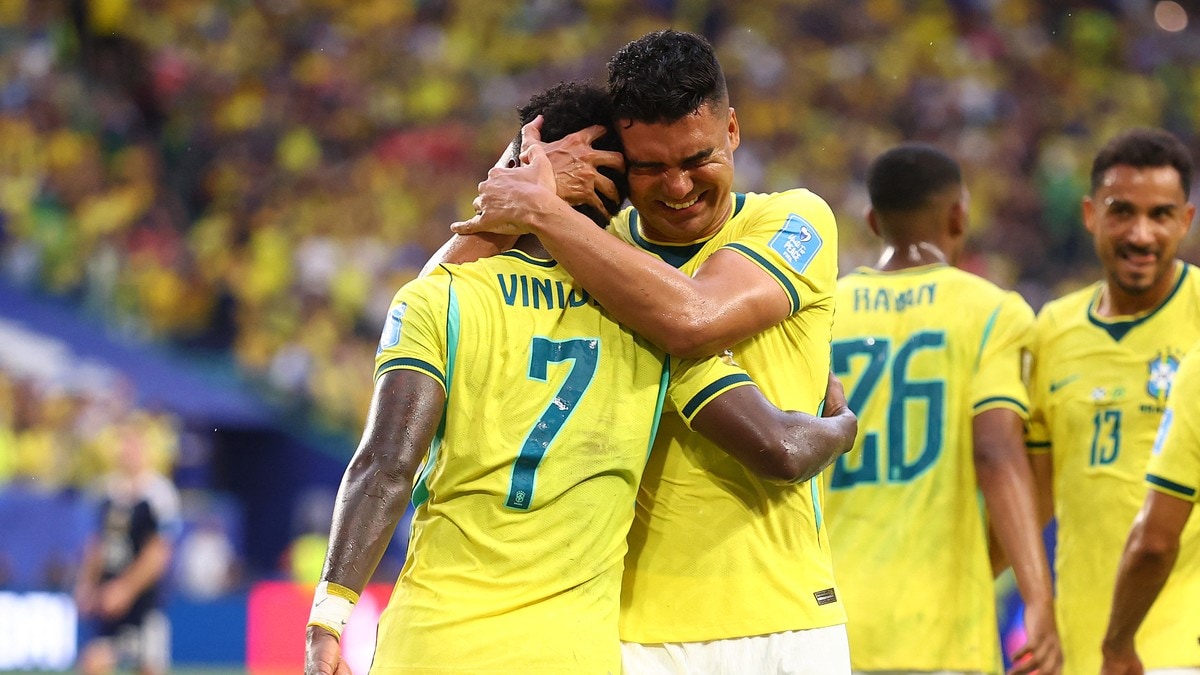
In 1998, Norway faced a Brazilian team with a distinct and recognizable style of play. However, the current Brazilian national football team is described as seeking a new balance between its traditional strengths and the evolving demands of modern football. This suggests a shift away from a singular, easily identifiable approach towards a more adaptable and potentially multifaceted strategy. The team appears to be navigating the pressures of contemporary football, which often emphasizes tactical flexibility, physical conditioning, and diverse playing systems. This evolution implies a conscious effort to integrate new methodologies while retaining the core elements that have historically defined Brazilian football. The pursuit of this balance indicates a strategic re-evaluation aimed at maintaining competitiveness on the global stage.
The Brazilian national football team's current phase reflects a common challenge faced by historically dominant sporting entities: adapting to globalized tactical innovations and physical demands without losing their intrinsic identity. The shift from a 'clear style' to seeking 'balance' suggests an acknowledgment of evolving international competition, where rigid adherence to tradition can be exploited. This strategic recalibration is likely driven by the need to optimize performance against diverse opponents who have adopted more hybrid tactical systems. The challenge lies in integrating modern football's requirements—such as high-intensity pressing, positional fluidity, and data-driven training—while preserving the creative flair and technical mastery historically associated with Brazilian play. This dynamic presents a long-term strategic question: can Brazil forge a new, effective identity that honors its legacy while thriving in the next decade's highly competitive football landscape?
AI-generated to prompt reflection — not editorial opinion, not advice, not a statement of fact. How this works.