Brazil's Father's Day: Origin and August Celebration
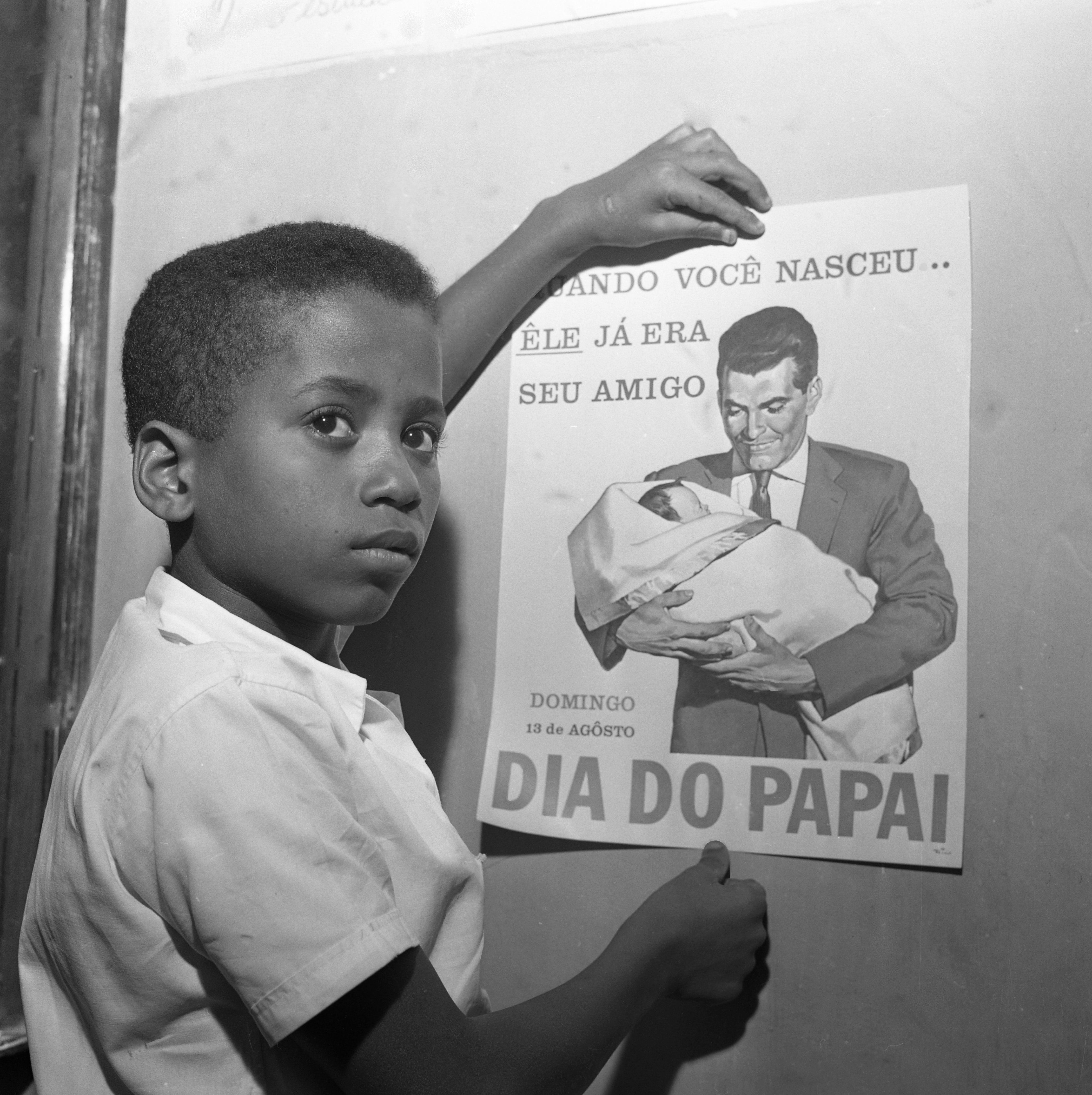
Father's Day in Brazil is celebrated on the second Sunday of August, a tradition that began in 1953. The initiative was spearheaded by Sylvio Bhering, then director of "O Globo" newspaper and Rádio Globo in Rio de Janeiro. Responding to reader requests for a holiday similar to Mother's Day, "O Globo" first mentioned the date on June 1, 1953. The initial date chosen was August 16, coinciding with the feast day of Saint Joachim, the father of the Virgin Mary and a figure revered in Catholicism as the patriarch of the family. The newspaper prominently featured greetings on August 15, 1953, marking the first celebration. The holiday gained popularity nationwide and was eventually fixed on the second Sunday of August to maintain an analogy with Mother's Day, celebrated on the second Sunday of May. Gift ideas from 1953, such as shoes, shirts, and socks, remain relevant today, alongside items like radios and cameras. However, other gifts like ties or opera records have become less common. Globally, Father's Day traditions vary; some countries observe it on Saint Joseph's Day (March 19), like Italy, Spain, and Portugal, while others, including the United States, France, and Chile, celebrate on the third Sunday of June. Germany observes it 39 days after Easter. A curated list of gift ideas under R$250, categorized into kitchen/barbecue, bar/drinks, fitness/sports, perfumes, technology, and clothing, has been compiled for the current year.
The establishment of Father's Day in Brazil, driven by commercial interests and a desire to mirror Mother's Day, highlights the interplay between cultural traditions and economic stimuli. The enduring relevance of certain gift categories over decades suggests consistent consumer patterns and societal values regarding paternal recognition. Examining the evolution of gift preferences, from traditional apparel to modern electronics, offers insights into changing lifestyles and technological adoption. The varied global observance dates underscore the diverse historical and religious influences shaping national holidays, while the Brazilian adaptation demonstrates a successful strategy for creating a widely adopted commercial and social event.
AI-generated to prompt reflection — not editorial opinion, not advice, not a statement of fact. How this works.