Brazil's Federal District Parties Begin Conventions for 2026 Elections
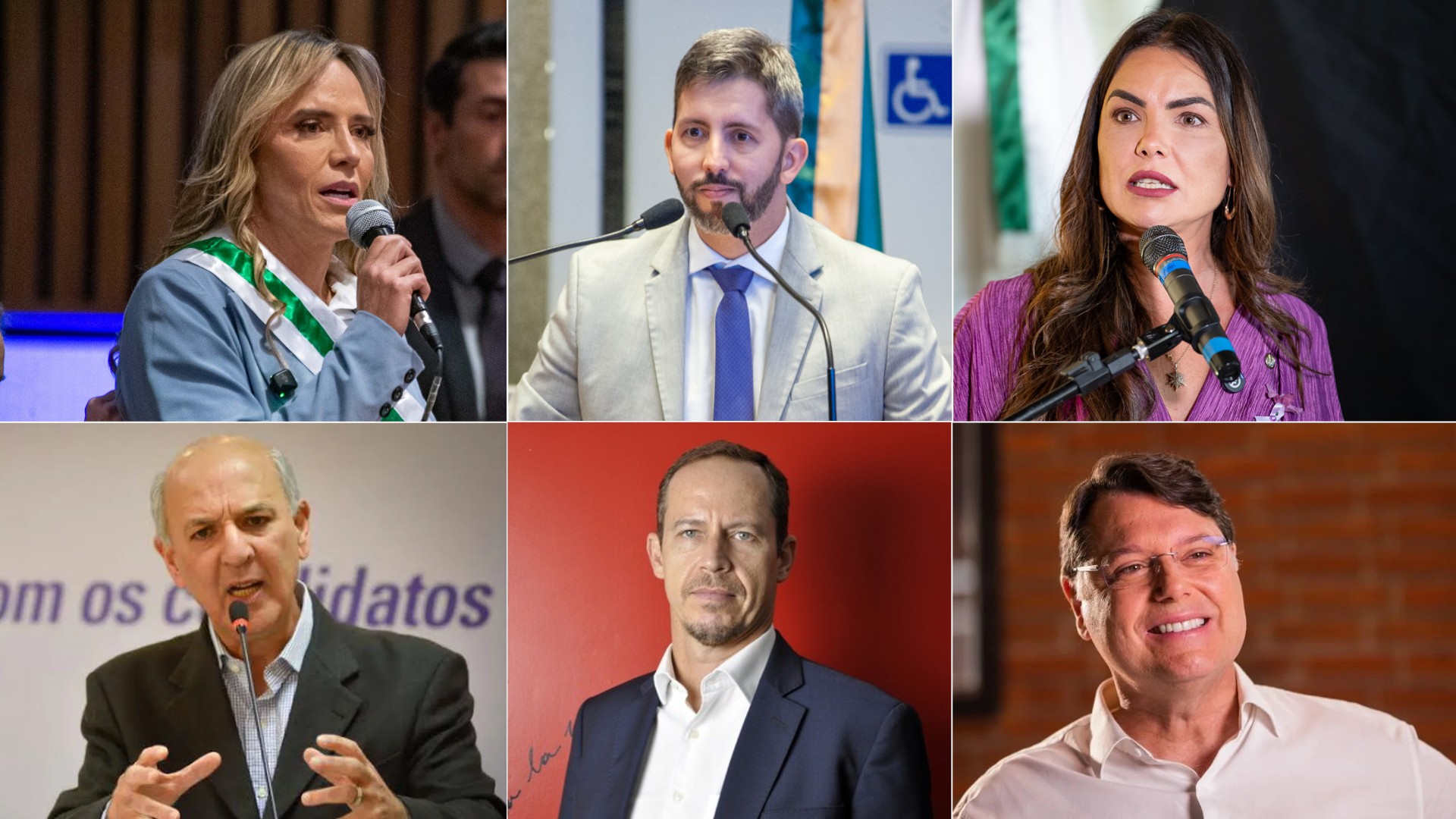
As the 2026 general elections approach, political parties in Brazil's Federal District are commencing their convention period on Monday, July 20th, to solidify pre-candidate selections. This period, mandated by electoral law, will run until August 5th, during which parties and federations will formally choose their nominees for various government positions. Official candidate registration with the electoral justice system is due by August 15th. Pre-campaign events, distinct from official conventions, have already been held by some parties, allowing potential candidates to present proposals without soliciting votes. The conventions will also determine the nominees for the eight seats in the Chamber of Deputies and the twenty-four seats in the Legislative Chamber of the Federal District. Several parties, including Agir, PCdoB, PV, Unidade Popular, Rede/PSOL, Republicanos, Novo, PSD, Avante, PSTU, MDB, União Brasil/PP, Solidariedade/PRD, PSB, Mobiliza, PSDB/Cidadania, PRTB, and PL, have announced their convention dates and potential candidacies. Key decisions remaining include the selection of vice-candidate running mates for gubernatorial hopefuls such as Paula Belmonte, Leandro Grass, José Roberto Arruda, and Kiko Caputo. Governor Celina Leão has confirmed Gustavo Rocha as her running mate, though the PL's support for her re-election remains uncertain, with Senator Izalci also expressing interest in the governorship. The PT and PSB are expected to align nationally but will not present a unified gubernatorial ticket in the Federal District. For the Senate race, former First Lady Michelle Bolsonaro is awaiting a "divine sign" to decide on her candidacy.
The upcoming party conventions in Brazil's Federal District signal a critical phase in the 2026 electoral cycle, where strategic alliances and candidate selections will shape the political landscape. The fragmented nature of these conventions, with numerous parties and federations holding separate or joint events, highlights the complex negotiation dynamics inherent in Brazilian politics. The need to finalize vice-candidate selections underscores the importance of coalition-building and the balancing of regional interests. Furthermore, the uncertainty surrounding prominent figures' candidacies, such as Michelle Bolsonaro's, reflects the interplay between political ambition, party strategy, and external factors, including public sentiment and potential endorsements. As the electoral process unfolds, the ability of parties to consolidate support and present unified fronts will be a key determinant of their success in the upcoming elections.
AI-generated to prompt reflection — not editorial opinion, not advice, not a statement of fact. How this works.