Brazil's Federal Government Vetoes Bill to Create Northern Border University in Amapá
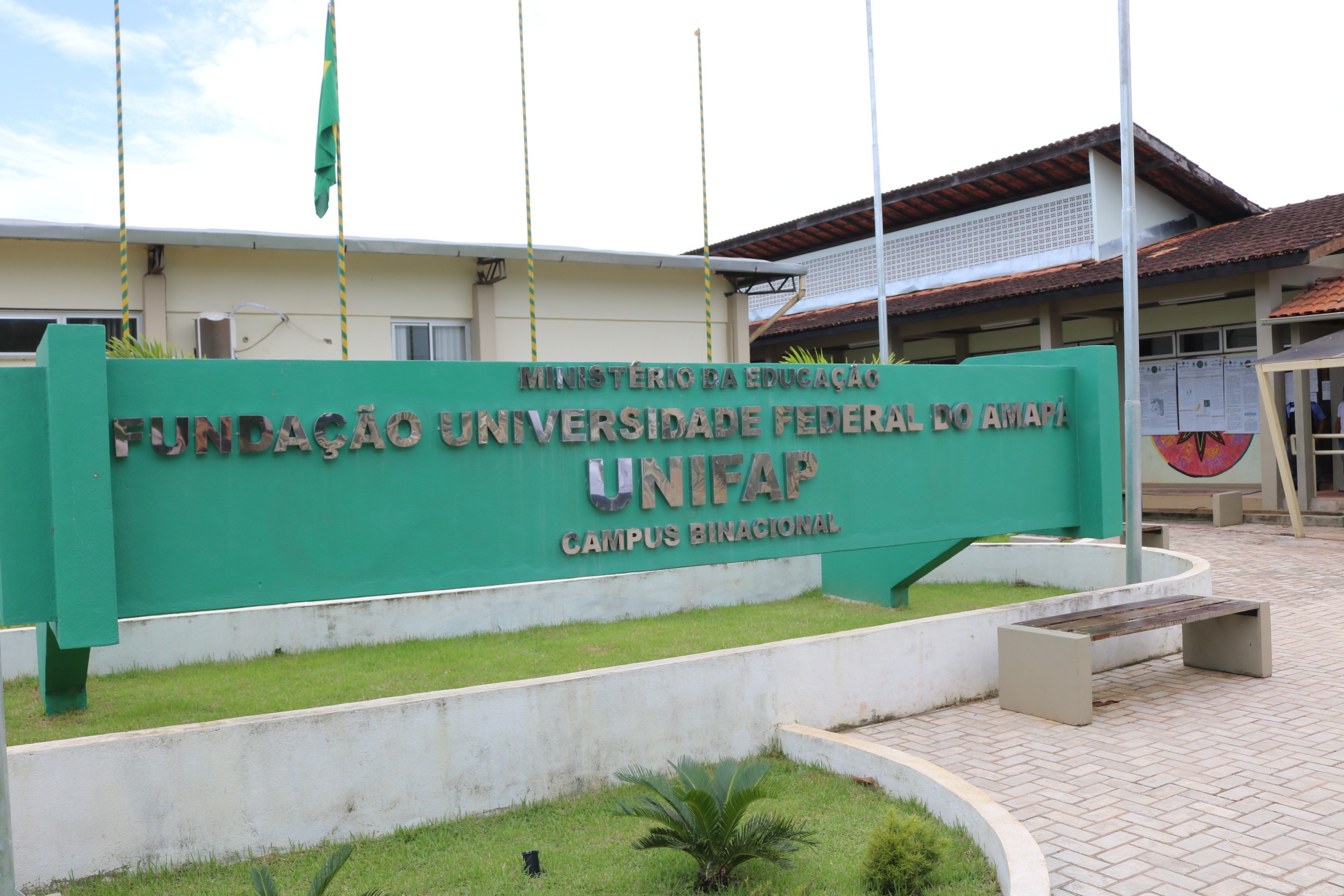
The Federal Government has fully vetoed Bill 3.455/2023, which aimed to establish the Northern Border University (Unifron) in Oiapoque, Amapá. The veto, published in the Official Gazette on Friday, August 31st, cited formal unconstitutionality due to a "vício de iniciativa" (flaw in the right of initiative). The Executive branch argued that the creation of federal entities and public positions is exclusively the President's prerogative. The bill, originally proposed by Senator Randolfe Rodrigues (PT-AP), sought to transform the existing Binational Campus of the Federal University of Amapá (Unifap) into a new federal higher education institution. This campus currently serves approximately 1,200 students and offers degrees in biological sciences, law, nursing, intercultural indigenous licenciatura, French-Portuguese letters, history, geography, and pedagogy. The proposed legislation included provisions for automatic student incorporation into Unifron, the creation of rector and vice-rector positions, 80 faculty positions, 40 higher-level administrative roles, and 60 intermediate-level administrative roles. The decision now rests with the National Congress, which will vote on whether to uphold or override the veto. Maintaining the veto would mean the proposed university is not established, while rejecting it would allow the bill to become law. Overriding the veto requires 257 votes in the Chamber of Deputies and 41 in the Senate.
The federal government's veto of the Unifron bill highlights a recurring tension between legislative initiatives and executive authority in Brazil, particularly concerning the creation of public institutions. The "vício de iniciativa" argument underscores the constitutional framework that reserves certain powers, like establishing new government bodies and positions, to the President. While the legislative branch can propose such changes, the ultimate approval often hinges on executive endorsement or a significant congressional override. This event prompts consideration of how to streamline institutional development, especially in strategic border regions like Oiapoque, without infringing upon established governmental processes. Future legislative efforts might need to focus on collaborative frameworks that secure executive buy-in earlier in the process to avoid such constitutional challenges, thereby fostering more predictable growth for critical educational infrastructure.
AI-generated to prompt reflection — not editorial opinion, not advice, not a statement of fact. How this works.