Brazil's Federal Police and Minister Mendonça Clash Over INSS Investigation
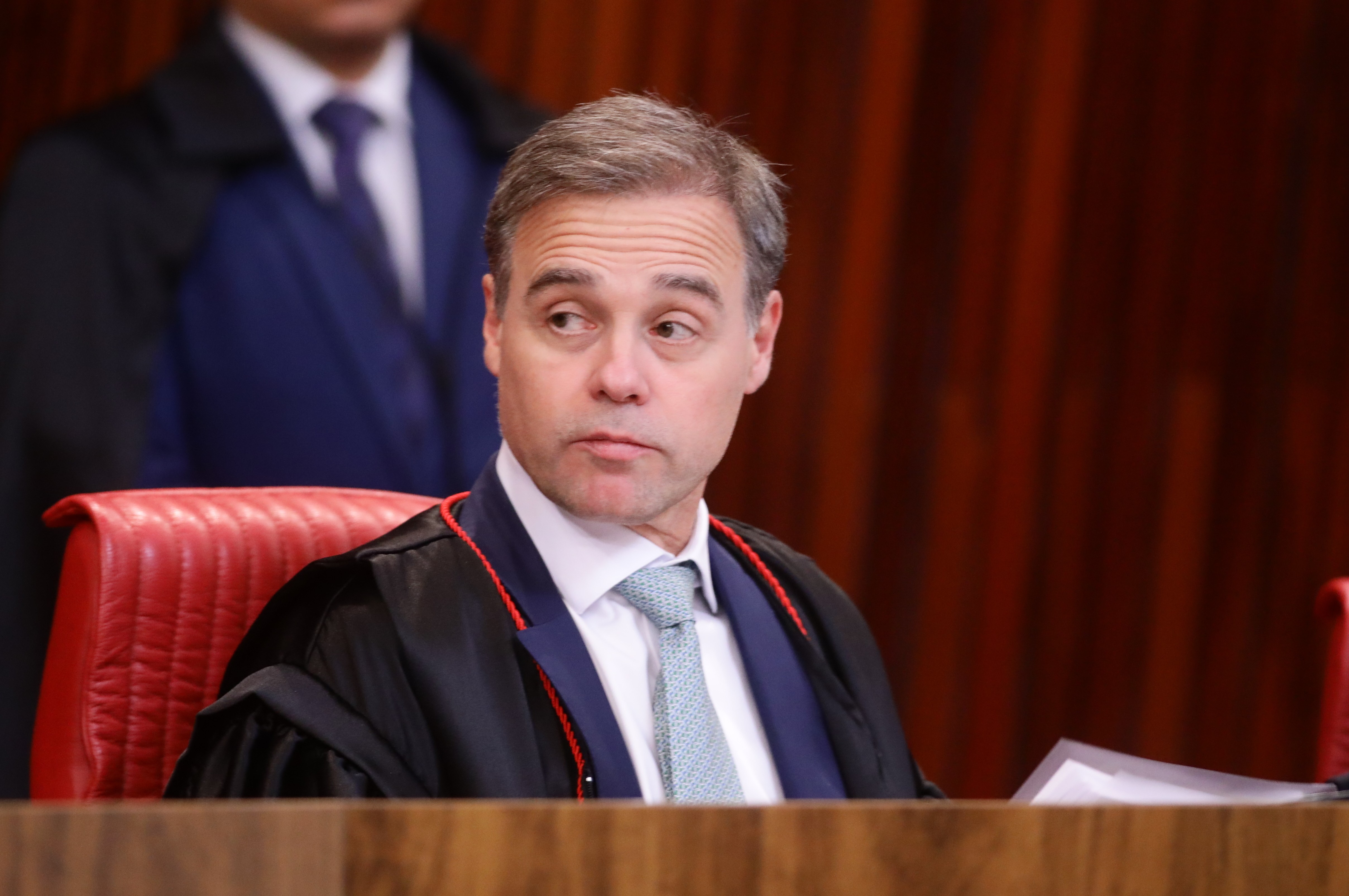
A new investigative front in the INSS case, involving a request by the Federal Police to investigate Fábio Luiz Lula da Silva, has intensified an existing dispute between the police and the office of Minister André Mendonça, the case's rapporteur at the Supreme Court. The Federal Police requested a new inquiry, which was sent to the Supreme Court and then to the Prosecutor-General's Office. After a favorable opinion from the PGR, the case was assigned to Minister Mendonça, who is already overseeing the main INSS inquiry. This is reportedly one episode in a months-long conflict, with Mendonça's office expressing dissatisfaction with the investigation's progress, questioning delays and changes in the investigative team. The Federal Police, however, denies any irregularities, asserting that procedures followed technical criteria. This friction is also evident in a separate issue where the Federal Police approached the Attorney General's Office regarding restrictions imposed by Minister Mendonça on sharing investigation details with higher-ranking police delegates. Mendonça's office reportedly suspects irregularities, while the Federal Police maintains its actions were proper and not an interference with their duties. The PF has been challenging measures it deems an infringement on its authority since January, initially verbally and later through formal requests in May and June. These actions predate the investigation request concerning Fábio Luiz Lula da Silva, according to the PF. The case also involves Senator Jaques Wagner, with partial declassification of documents raising suspicions of information leaks, further heightening tensions. Minister Mendonça authorized cell phone monitoring of Senator Wagner in an investigation related to Banco Master. Consequently, the INSS case has evolved into an institutional power struggle over the control and conduct of these investigations between segments of the Federal Police and Minister Mendonça's office.
This situation highlights a potential conflict between investigative autonomy and judicial oversight within Brazil's legal framework. The Federal Police's actions, perceived as challenging judicial directives, may stem from institutional incentives to protect investigative prerogatives and operational independence. Minister Mendonça's office, conversely, is likely acting under judicial mandates to ensure due process and accountability in high-profile investigations. The involvement of prominent political figures and the alleged information leaks suggest systemic vulnerabilities in handling sensitive cases, potentially impacting public trust in both law enforcement and the judiciary. Future developments could lead to clarifications of jurisdictional boundaries and protocols for inter-agency communication, aiming to balance effective investigation with robust oversight, especially in an era where digital footprints and information control are increasingly critical.
AI-generated to prompt reflection — not editorial opinion, not advice, not a statement of fact. How this works.