Brazil's Federal Police Seek Third Probe into President Lula's Son
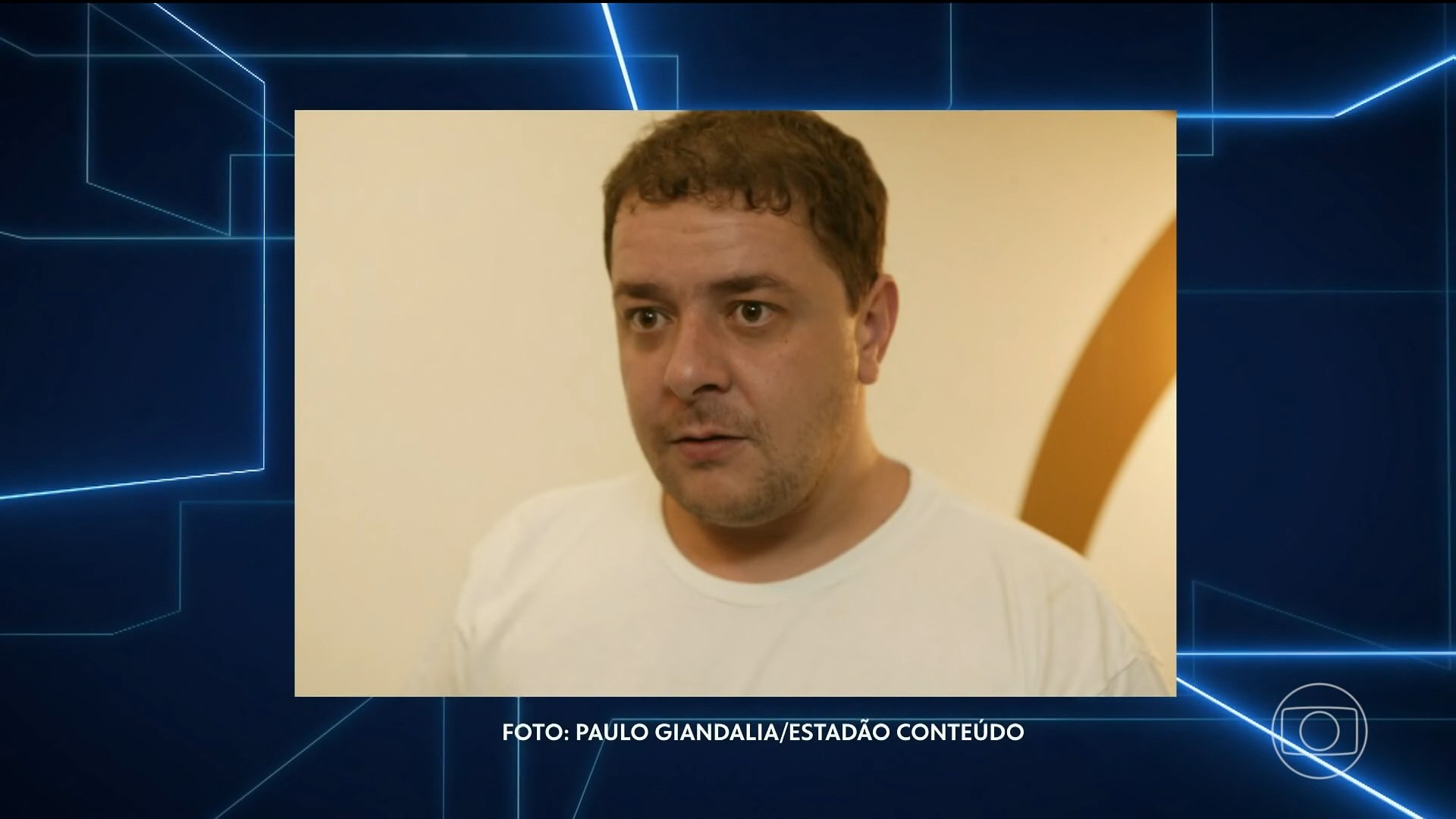
Brazil's Federal Police (PF) have requested a third inquiry into Fábio Luiz Lula da Silva, known as Lulinha, President Lula's eldest son, on suspicion of influence peddling within the government. This latest investigation also implicates a former presidential aide, Marco Aurélio Santana, also known as Marcola, raising concerns within the presidential palace. The PF uncovered financial transactions between Santana and lobbyist Roberta Luchsinger, an associate of Lulinha who is already under scrutiny in two prior investigations. Santana, who managed President Lula's schedule, stated the transactions were related to a loan from Luchsinger that has since been fully repaid, asserting no irregularities or connection to his government role. President Lula has indicated he will not shield anyone found guilty, including his son or former aide, stating they must face consequences if wrongdoing is proven. His administration maintains there is no evidence Lulinha secured government benefits for Luchsinger. Despite potential political exploitation by opponents during the upcoming presidential campaign, Lula's team asserts the President's stance remains firm. The opening of these inquiries, particularly so close to the official start of the presidential campaign, is a source of worry for the government, and Lula's image is expected to face scrutiny.
The Federal Police's request for a third inquiry into Lulinha and associated figures, occurring just before the presidential campaign, presents a complex interplay of law enforcement, political timing, and public perception. The investigations, focusing on alleged influence peddling and financial transactions, highlight the ongoing scrutiny of individuals connected to the highest levels of government. The President's stated position of accountability, regardless of familial ties, attempts to preemptively neutralize potential political attacks. However, the systemic challenge lies in maintaining public trust when allegations of impropriety surface, particularly concerning those close to power. The narrative framing around these investigations will be crucial, and discerning factual findings from political maneuvering will be a key task for the electorate in the coming months. The situation underscores the enduring tension between governance, personal conduct, and electoral politics in Brazil.
AI-generated to prompt reflection — not editorial opinion, not advice, not a statement of fact. How this works.
