Brazil's Federal Police to Spend $95 Million on 2026 Presidential Candidate Security
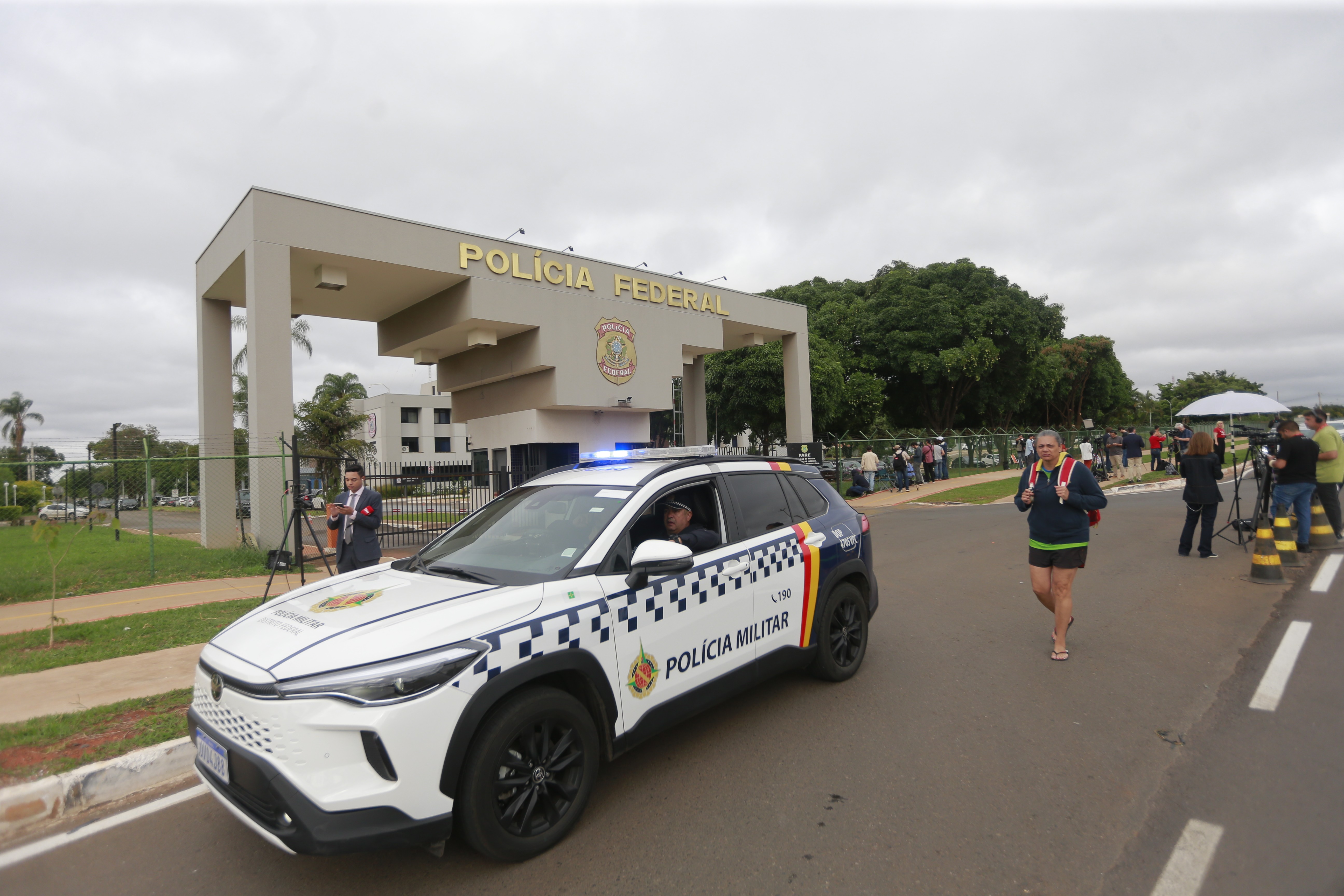
Brazil's Federal Police (PF) estimates an expenditure of R$ 95 million for the security of presidential candidates during the 2026 election campaign. This represents a significant increase from the R$ 57 million invested in 2022, when R$ 25 million covered operational costs like logistics and daily allowances, and R$ 32 million was spent on equipment. The enhanced security measures are a response to growing concerns about the safety of authorities and candidates at campaign events.
The PF's preparation for this operation began approximately two years ago, involving team training and detailed studies to establish protection schemes for each candidacy. According to Federal Police Director-General Andrei Rodrigues, the planning included risk analyses to map candidate movements and scheduled events, alongside operational alignment for the officers assigned to presidential hopefuls. The budget allocates funds for the remuneration of 458 servers, the acquisition of specialized equipment such as anti-drone systems, armored vehicles, weaponry, and protective gear for agents. Operational expenses for teams accompanying candidates are also covered.
Under electoral law, presidential candidates become eligible for Federal Police protection following the official approval of their candidacies at party conventions. These conventions, where parties and federations registered with the Superior Electoral Court (TSE) will formalize their candidate choices for the October 2026 elections, are scheduled between July 20 and August 5, 2026. Parties have the autonomy to decide the date and format—in-person, virtual, or hybrid—for these mandatory events preceding candidate registration.
The substantial increase in planned security spending by Brazil's Federal Police for the 2026 presidential election reflects a heightened perception of risk in the political landscape. This proactive investment, beginning two years prior to the election, suggests a systemic effort to mitigate potential threats to candidates, driven by evolving security challenges. The allocation for advanced equipment like anti-drone systems indicates an adaptation to modern security threats. Looking ahead, the significant financial commitment to candidate security raises questions about resource allocation within the PF and the broader implications for public trust and democratic process, particularly if perceived threats materialize or are perceived to be exaggerated. The PF's strategy appears to prioritize de-escalation through preparedness, aiming to ensure a stable electoral environment by safeguarding key political figures.
AI-generated to prompt reflection — not editorial opinion, not advice, not a statement of fact. How this works.