Brazil's Federal Public Ministry Seeks Tapajós River Management Committee, Halts Project Licenses
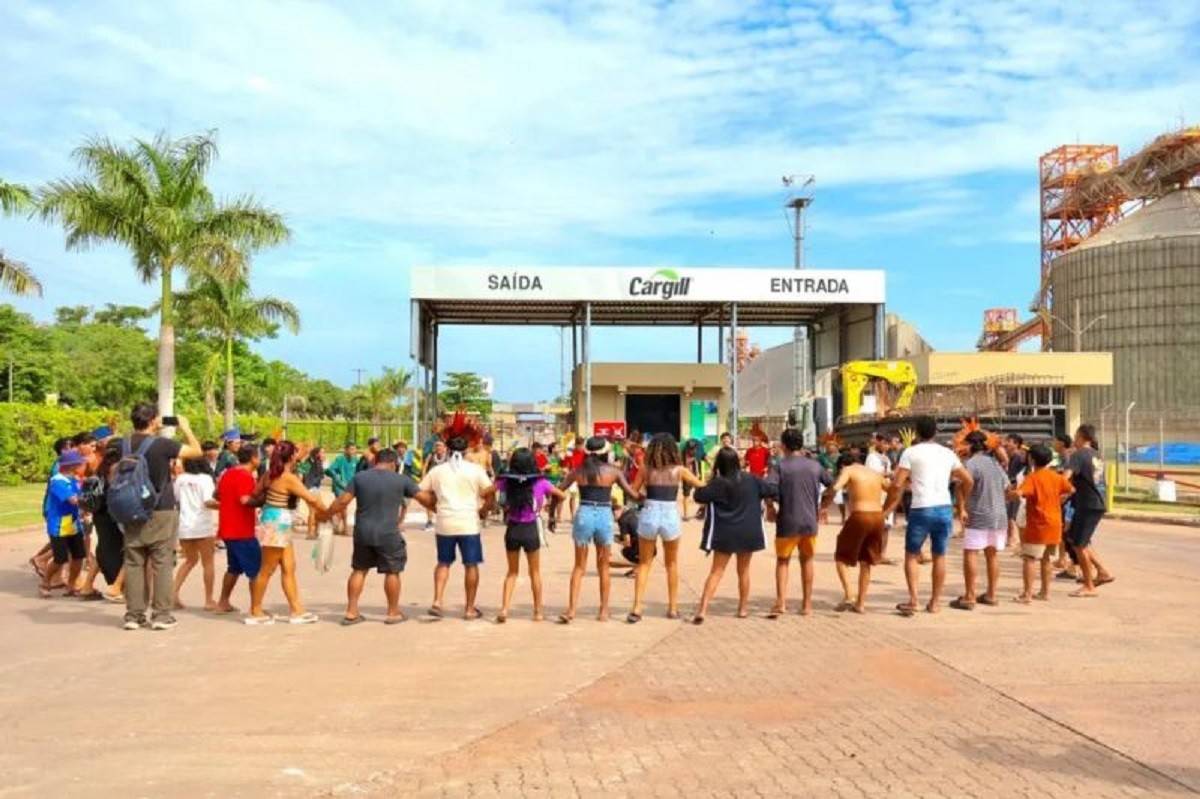
The Federal Public Ministry (MPF) in Brazil has filed a lawsuit demanding the creation of a Hydrographic Basin Committee (CBH) and a Water Agency to manage the Tapajós River basin. This action addresses a more than 15-year delay in establishing participatory water resource management in the region, which spans parts of Pará and Mato Grosso states. The MPF argues that the absence of these bodies prevents indigenous peoples, river dwellers, artisanal fishers, and other traditional communities from participating in decisions regarding water usage. The lawsuit, filed on Friday, May 10th, requests the federal government and the National Water and Basic Sanitation Agency (ANA) to present a work plan within 60 days for the committee's establishment, including mobilization, elections, and integration of members. The MPF proposes a one-year maximum timeframe for completing these tasks, emphasizing the need for information and training for traditional communities, adhering to ILO Convention 169 protocols. The plan must also outline the operational structure and financial sustainability of the future Water Agency. This legal action follows significant protests by indigenous peoples and traditional communities, including a 34-day occupation of Cargill's port terminal in Santarém, where over 1,200 leaders from 17 indigenous groups demanded the revocation of a federal decree for waterway concessions and dredging on the Tapajós River due to a lack of prior consultation. If the management bodies are not implemented within the requested timeframe, the MPF seeks a judicial order to prohibit environmental agencies like Ibama and state environmental secretariats from issuing or renewing water use permits and operating licenses for medium to large-scale projects along the Tapajós River. This could suspend new authorizations for hydroelectric plants, waterways, port terminals, and mining activities until participatory governance is in place. The MPF also requests a daily fine of at least R$50,000 for non-compliance and, in the lawsuit's merit, seeks a minimum of R$1 million in collective moral damages from the Union and ANA for violating the principle of public participation in water resource management. This compensation, if awarded, would be directed towards projects supporting the livelihoods and traditional activities of communities in the Tapajós River basin.
This legal action highlights a systemic conflict between national development agendas and the rights of traditional communities to participate in resource management. The MPF's lawsuit underscores the long-standing governance gap in managing the Tapajós River basin, where infrastructure projects are advanced without adequate consultation or representation for affected populations. The demand for a participatory committee and agency, coupled with a potential halt to new project licenses, reflects a growing imperative to integrate environmental justice and indigenous rights into large-scale development planning. The case raises questions about the effectiveness of existing legal frameworks in ensuring equitable resource governance and the potential for future conflicts as Brazil pursues ambitious infrastructure development in ecologically sensitive areas. The next decade will likely see increased pressure to reconcile economic growth with robust environmental stewardship and the fulfillment of constitutional rights for marginalized communities, particularly in the face of climate change and its impact on water resources.
AI-generated to prompt reflection — not editorial opinion, not advice, not a statement of fact. How this works.