Brazil's Federal Public Ministry Seeks to Halt Higher Ethanol Blend in Gasoline
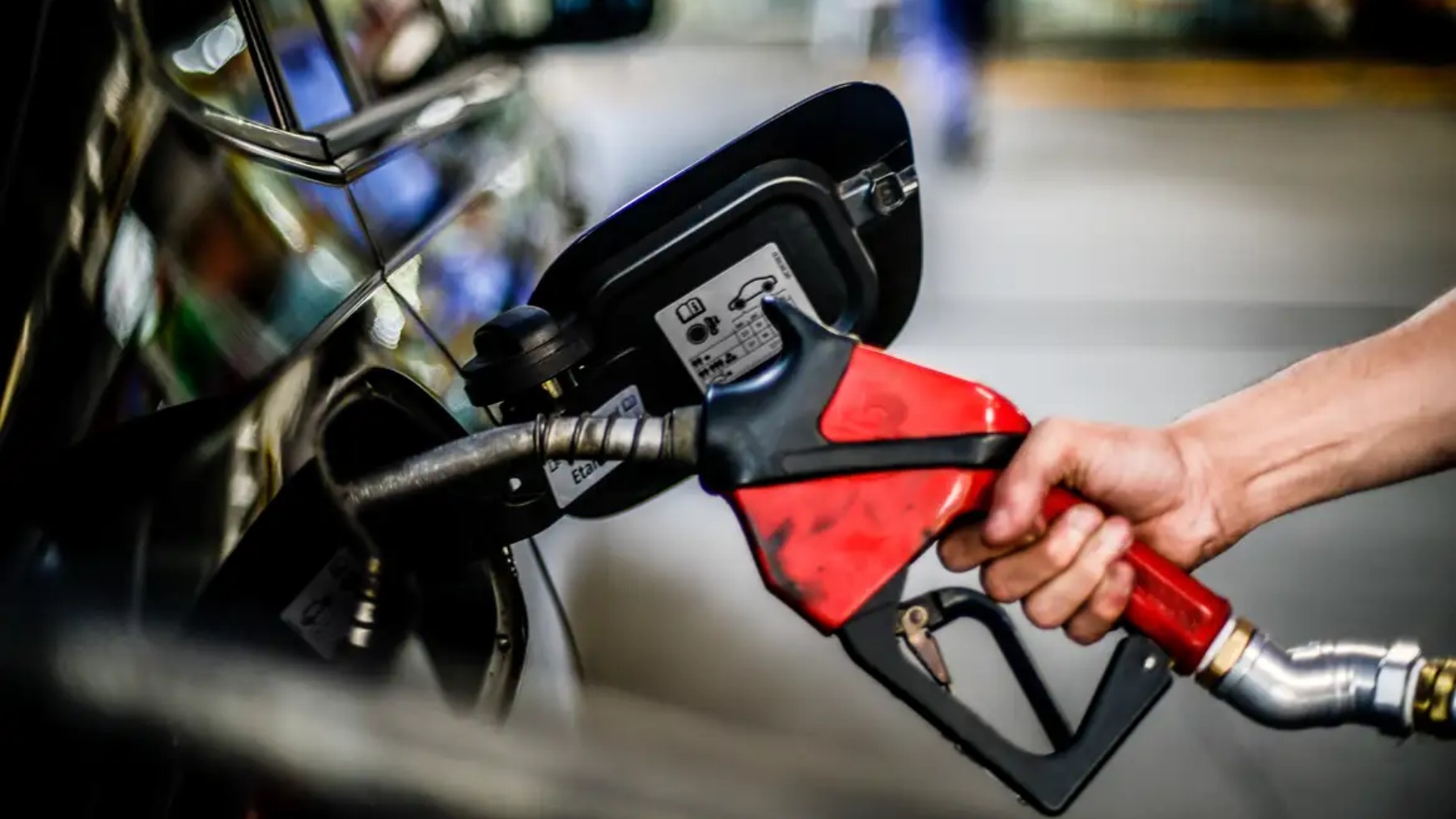
The Federal Public Ministry (MPF) in Brazil has filed a preliminary injunction to suspend the government's decision to increase the ethanol blend in gasoline from 30% to 32%, known as E32. This new blend is scheduled to take effect on August 1st. The MPF's lawsuit aims to prevent the adoption of E32 until technical studies definitively prove its safety for vehicles. Additionally, the MPF is seeking R$ 500 million in collective damages from the Union, arguing that the decision was made without adequate impact analysis and scientific validation for the national vehicle fleet. The MPF contends that the studies used to justify the E32 blend were based on the previous E30 mixture, relying on a tolerance margin that was not intended for validating a permanent increase. Specific concerns raised include the lack of data on durability, emissions, fuel economy, compatibility with diverse vehicle technologies, and performance under continuous use. The lawsuit also highlights that the E32 specification allows for up to 34% ethanol, a possibility that has not undergone specific technical validation. Evidence suggests that increased ethanol content may cause corrosion in metal parts, premature wear on fuel pumps, and electronic injection system failures, particularly in motorcycles, older vehicles, and imported models. The MPF argues that while ethanol may reduce certain emissions, the accelerated wear of components could lead to increased disposal of rubber, metal, and plastic. The Ministry is requesting an independent technical assessment of risks to engines and the environment, along with stricter protocols for future fuel composition changes. The National Council for Energy Policy (CNPE) approved the increase on July 14th, citing a policy to reduce reliance on imported gasoline and boost biofuel use, amidst volatile oil markets. However, the National Association of Vehicle Manufacturers (Anfavea) and automotive engineering experts have expressed concerns about potential engine wear, especially in older or non-flex models not designed for higher ethanol concentrations.
The MPF's legal challenge to Brazil's increased ethanol-gasoline blend (E32) highlights a recurring tension between national energy policy objectives and vehicle compatibility concerns. While the government aims to reduce imported fossil fuel dependency and promote biofuels, the MPF's action underscores the critical need for robust, forward-looking technical validation. The core issue appears to be whether existing studies, validated for E30, adequately account for the cumulative impacts of E32, particularly on long-term component durability and diverse vehicle technologies. This situation presents a systemic challenge: balancing the immediate economic and geopolitical benefits of domestic biofuel production against the potential for unforeseen maintenance costs and environmental externalities from accelerated component wear. Future policy decisions regarding fuel composition will likely require more comprehensive, independent lifecycle assessments that integrate vehicle engineering, material science, and environmental impact data to ensure sustainable energy transitions without imposing undue burdens on consumers or the automotive ecosystem.
AI-generated to prompt reflection — not editorial opinion, not advice, not a statement of fact. How this works.