Brazil's Federal Public Ministry Urges Navy to Combat Illegal Mining in Amazon
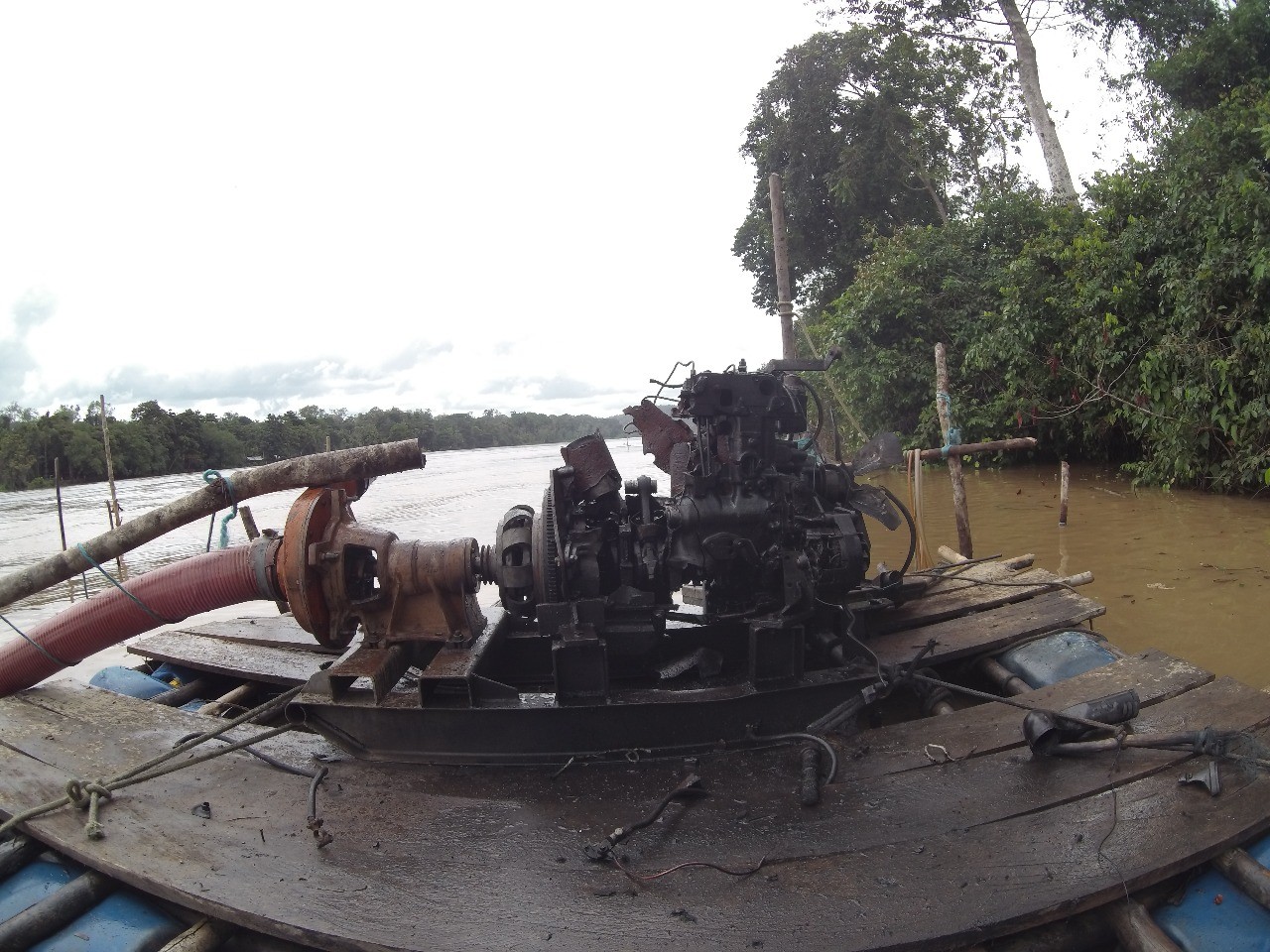
The Federal Public Ministry (MPF) has issued a recommendation for the Brazilian Navy to enhance its oversight of vessels involved in illegal mining activities across Roraima and eight other states in the Legal Amazon. This directive, from the 2nd Office of the Western Amazon, aims to curb illicit gold extraction from rivers. The MPF identified a critical flaw in the current system that allows vessels to be registered without presenting environmental licenses or mining titles, enabling illegal operations. To rectify this, the MPF proposes mandatory environmental licenses and National Mining Agency (ANM) titles for vessel authorization. The recommendation mandates the implementation of these measures within 60 days. It also suggests using photographic and video evidence, intelligence reports, and satellite geolocation data to hold vessel owners accountable, even if the craft are destroyed. Furthermore, the MPF advises increased inspections at workshops and shipyards to prevent clandestine vessels from entering service and recommends studies for mandatory GPS trackers on dredges operating in the Legal Amazon. This would facilitate monitoring and identification of vessels in unauthorized areas or indigenous lands. The MPF also requests the use of shared data with the Amazon Protection System's Management and Operational Center to detect vessels intentionally disabling their location systems. The issue is particularly acute in indigenous territories like Raposa Serra do Sol in Roraima, where illegal miners have reportedly caused devastation and exploited local youth, impacting over 26,000 indigenous people from various ethnic groups.
The Federal Public Ministry's recommendation highlights a systemic vulnerability in Brazil's maritime registration process, which has inadvertently facilitated illegal mining operations. By requiring environmental and mining permits for vessel registration, the MPF seeks to introduce a crucial upstream control point. The proposed use of technology like GPS tracking and digital evidence collection represents a forward-looking approach to enforcement in the vast and challenging Amazonian environment. This initiative underscores the ongoing tension between resource extraction, environmental protection, and indigenous land rights, a complex dynamic that will likely shape governance and economic development strategies in the region for the foreseeable future. The effectiveness of these measures will depend on the Navy's capacity and willingness to implement them, as well as inter-agency cooperation in data sharing and enforcement actions.
AI-generated to prompt reflection — not editorial opinion, not advice, not a statement of fact. How this works.