Brazil's FGTS Fund to Distribute $13 Billion Profit to Workers
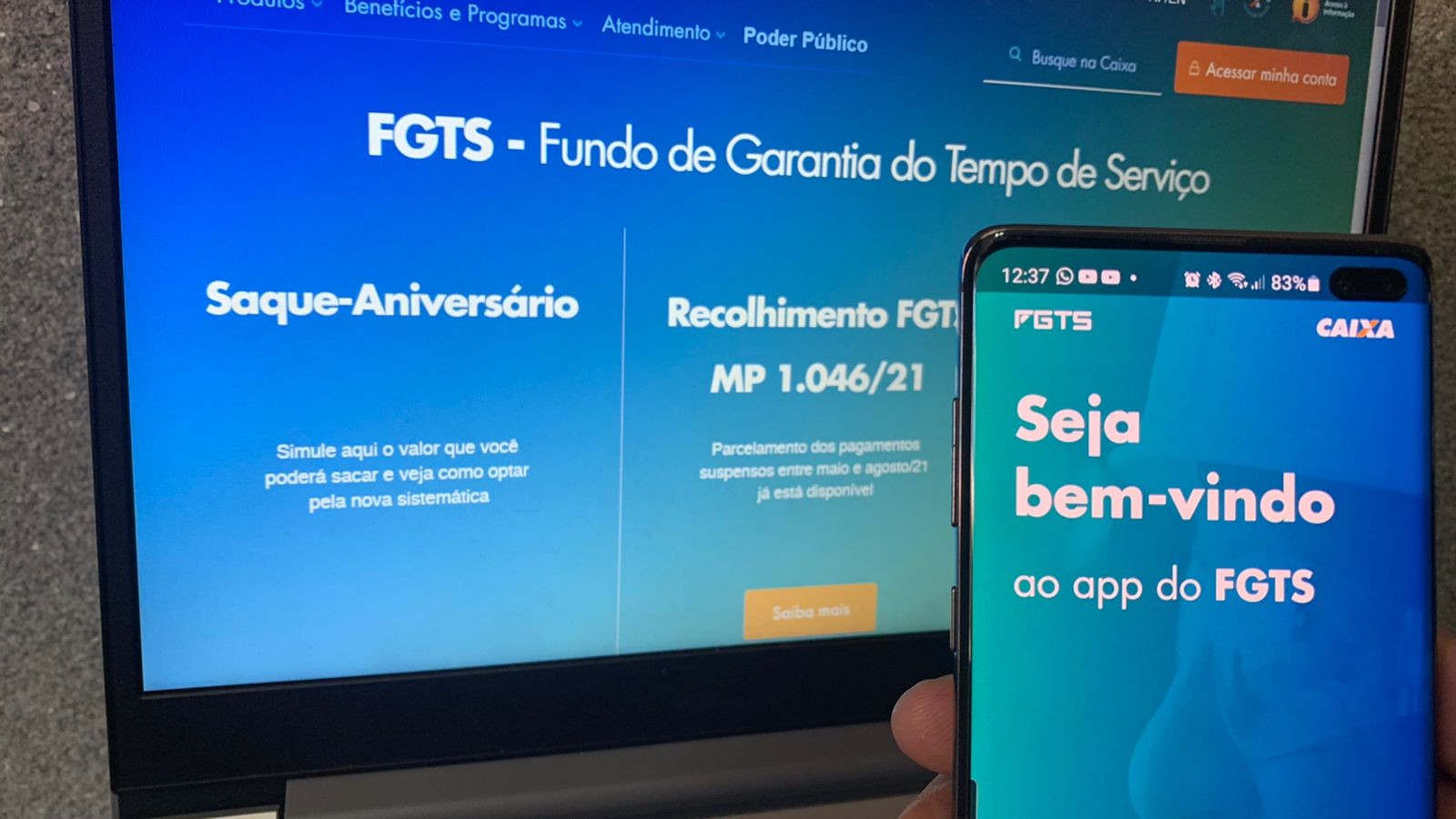
The Fundo de Garantia do Tempo de Serviço (FGTS), Brazil's severance indemnity fund, will distribute R$13.04 billion in profits to workers starting Friday, July 31st. This amount represents 89% of the fund's 2025 profit and will benefit 138.2 million workers who had a balance in their FGTS accounts as of December 31, 2025. Caixa Econômica Federal, the managing bank, announced the distribution following approval by the FGTS's Curador Council. Workers can calculate their share by multiplying their account balance on December 31, 2025, by the index 0.0186834. For instance, an individual with R$1,000 in an FGTS account at the end of last year will receive an additional R$18.68 in that same account. The rules for withdrawing FGTS funds remain unchanged, with access still permitted for situations like job loss without cause, purchasing property, retirement, and other specific circumstances. Each FGTS account, linked to different employment periods, will receive a separate profit credit based on its individual balance. This profit distribution boosts the FGTS accounts' 2025 profitability to 6.90%, yielding a real gain of 2.53 percentage points above the official inflation rate (IPCA) of 4.26% for the year. The distribution effectively adds 1.87% to the profitability of each account, proportional to its balance.
This profit distribution from Brazil's FGTS fund represents a significant, albeit modest, boost to workers' savings, directly addressing a portion of the fund's earnings. The mechanism ensures that the benefits are proportional to existing balances, reinforcing the value of consistent contributions. While the distribution aims to enhance FGTS profitability, aligning with a Supreme Court directive to at least match inflation, it's crucial to consider the long-term sustainability of such payouts. Future economic conditions and investment performance will dictate the fund's capacity to generate consistent returns. Evaluating the FGTS's overall investment strategy and governance structure will be key to ensuring it continues to serve its purpose as a worker protection mechanism in the evolving economic landscape.
AI-generated to prompt reflection — not editorial opinion, not advice, not a statement of fact. How this works.