Brazil's Finance Minister Defends PIX, Urges US Rationality on Tariffs
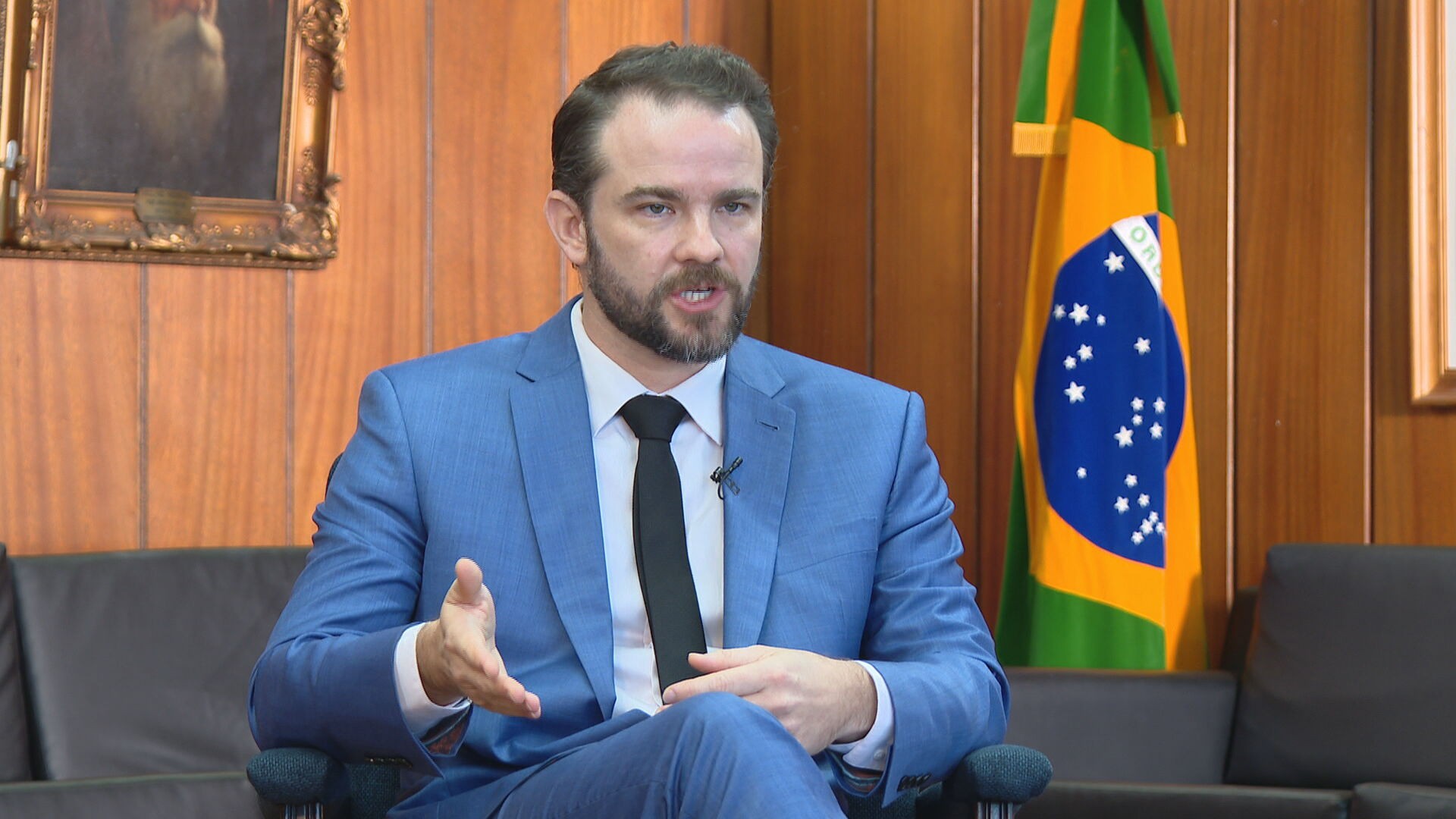
Brazil's Finance Minister, Dario Durigan, expressed hope for a rational outcome regarding the United States' proposed 25% additional tariff on Brazilian goods. The U.S. Trade Representative (USTR) initiated an investigation under Section 301 of the Trade Act of 1974, concluding that Brazil's practices "burden or restrict" trade with American entities. Durigan stated that Brazil has valid arguments and expects technical reasoning to prevail, preventing the tariffs from being imposed. The USTR's report cited concerns in areas including digital trade and payment services (PIX), social media regulation, unfair preferential tariffs, illegal deforestation, ethanol market access, and intellectual property protection. Specifically, the USTR alleged that Brazil's Central Bank (BC) favors PIX over American payment systems, criticizing the BC's dual role as regulator and operator, which allegedly mandates PIX usage and limits competitor fees. Durigan refuted these claims, asserting that PIX is a universally accessible payment infrastructure developed collaboratively in Brazil, available to any company or individual operating there. He argued that the notion of PIX harming American interests is baseless. The proposed tariffs are not yet in effect; formal completion of the investigation and public consultations are required before implementation. Brazil formally presented its defense to the U.S. on May 2nd, with Foreign Minister Mauro Vieira signing the document, which also addressed thematic areas. Brazilian and American authorities have held working meetings since the USTR report's release, with Brazil proposing a "roadmap" to assure the legitimacy and non-harmful nature of its practices. Durigan also addressed the USTR's claims on deforestation, stating that such information is outdated and that current deforestation rates are at historical lows, contrasting with the previous administration.
The U.S. Trade Representative's investigation into Brazilian trade practices, particularly concerning the PIX payment system, highlights a recurring tension between national innovation and international market access. While the USTR frames Brazil's PIX as potentially disadvantaging U.S. firms, Brazil's Finance Minister Durigan counters that PIX is an inclusive, universally accessible infrastructure. This situation presents a classic case of differing regulatory philosophies and competitive dynamics. The U.S. approach, driven by Section 301, appears to focus on market share and potential competitive disadvantages for its domestic industries. Brazil, conversely, emphasizes the developmental and inclusive nature of its payment system. Looking ahead, the integration of digital payment systems globally will likely necessitate clearer international frameworks for interoperability and fair competition, moving beyond national-level assessments. The dispute also touches upon evolving perceptions of environmental stewardship, with Brazil asserting progress in combating deforestation, suggesting a potential mismatch in the USTR's data and current realities.
AI-generated to prompt reflection — not editorial opinion, not advice, not a statement of fact. How this works.