Brazil's Finance Minister Monitors "Blusinha Tax" Impact, May Propose Reinstatement
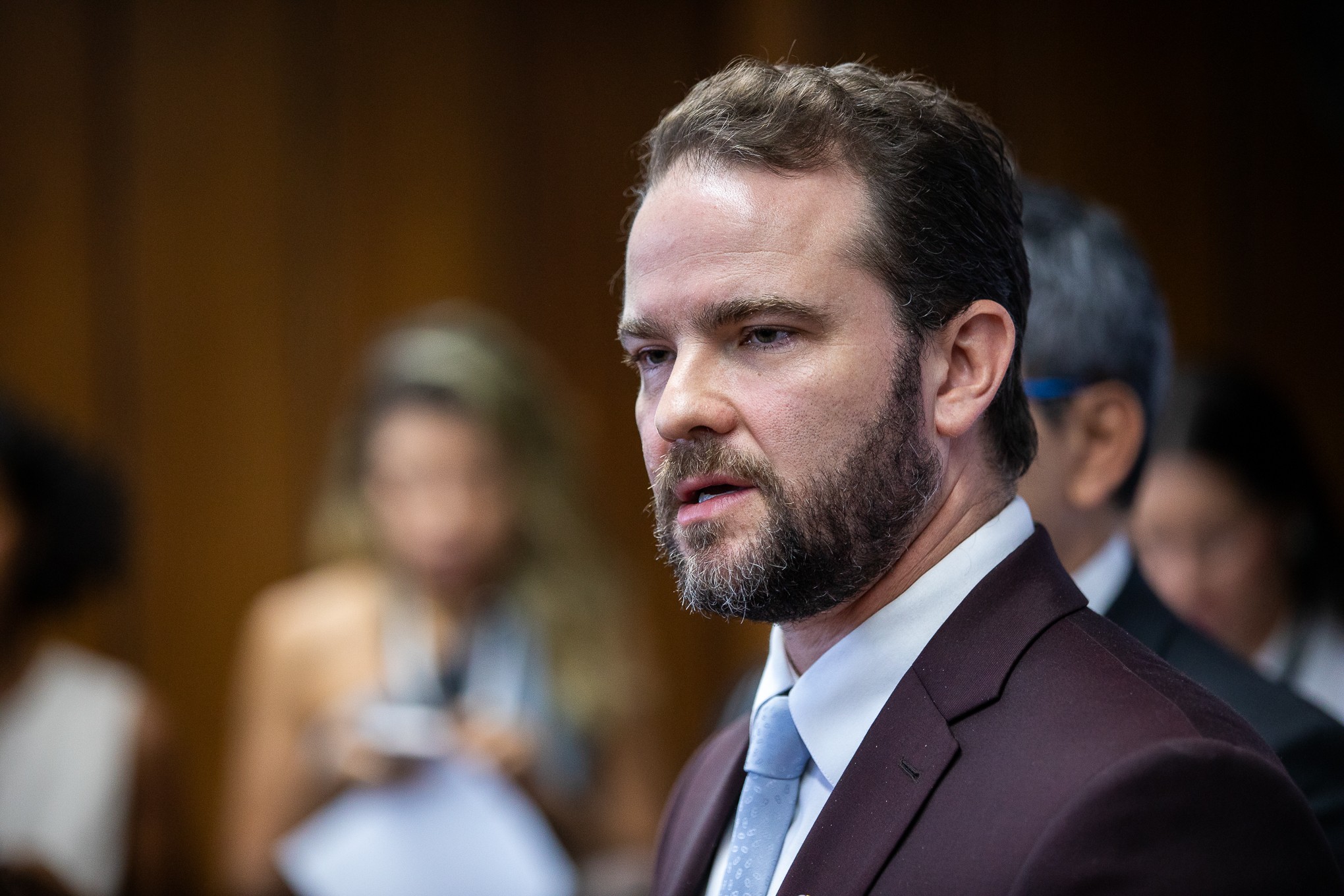
Brazil's Minister of Finance, Dario Durigan, has acknowledged an increase in international orders following the elimination of the "blusinha tax," a tariff on purchases under $50. The economic team is closely monitoring the situation and may recommend to President Luiz Inácio Lula da Silva that the taxation be reinstated. Durigan explained that the tax exemption was initially implemented as a trial period to assess its economic impact. He noted that the government has observed a rise in the importation of these goods and, if it perceives a deviation from the norm that creates unfair competition for domestic production, a policy change can be proposed to the president. The Federal Revenue Service reported a surge in international orders after the 20% import tax on items under $50 was removed. This revocation was enacted in May via a Provisional Measure, which requires Congressional approval within 120 days to remain in effect. National producers and importers are actively lobbying Congress and pursuing legal avenues to protect their interests. The "blusinha tax" was unpopular among many Brazilian consumers, who felt it inflated the prices of low-cost items and diminished the appeal of international e-commerce platforms. Critics also argued that it gave international tourists an unfair advantage over domestic consumers. The Institute for Development of Retail (IDV), representing major Brazilian retailers, indicated that June sales figures might show a retail volume decline in some sectors due to the World Cup, but also attributed potential drops to increased sales from foreign e-commerce platforms benefiting from zero import tax. The IDV warned this could lead to reduced employment and future investments. Several parliamentary fronts have advocated for tax neutrality, stating that "if it's lowered for foreigners, it must be lowered for Brazilians." Conversely, the Brazilian Association of Mobility and Technology (Amobitec), which includes companies like Alibaba, Amazon, and Shein, deemed the import increase "natural and expected." Amobitec advised caution, suggesting that while anticipatory purchases were predictable, a six-month evaluation period is needed to confirm sustained growth. They highlighted the tax exemption as a step towards democratizing consumption, promoting social inclusion, and stimulating the economy, while emphasizing the need for legal certainty in international e-commerce.
The Brazilian government's re-evaluation of the "blusinha tax" exemption highlights a common policy tension between consumer affordability and domestic industry protection. While the zero-tax period aimed to gauge economic impact, the observed surge in imports suggests a significant price sensitivity among consumers and a potential competitive disadvantage for local businesses. The debate involves balancing fiscal revenue, consumer welfare, and the competitiveness of national production in a globalized e-commerce landscape. Future policy decisions will likely weigh the long-term effects on employment, investment, and market fairness against the immediate benefits of lower consumer prices. This situation underscores the challenge of designing tax policies that foster economic growth while ensuring a level playing field for domestic and international actors in the digital economy.
AI-generated to prompt reflection — not editorial opinion, not advice, not a statement of fact. How this works.