Brazil's Finance Minister: US Sanction Targets Were Already Under Investigation
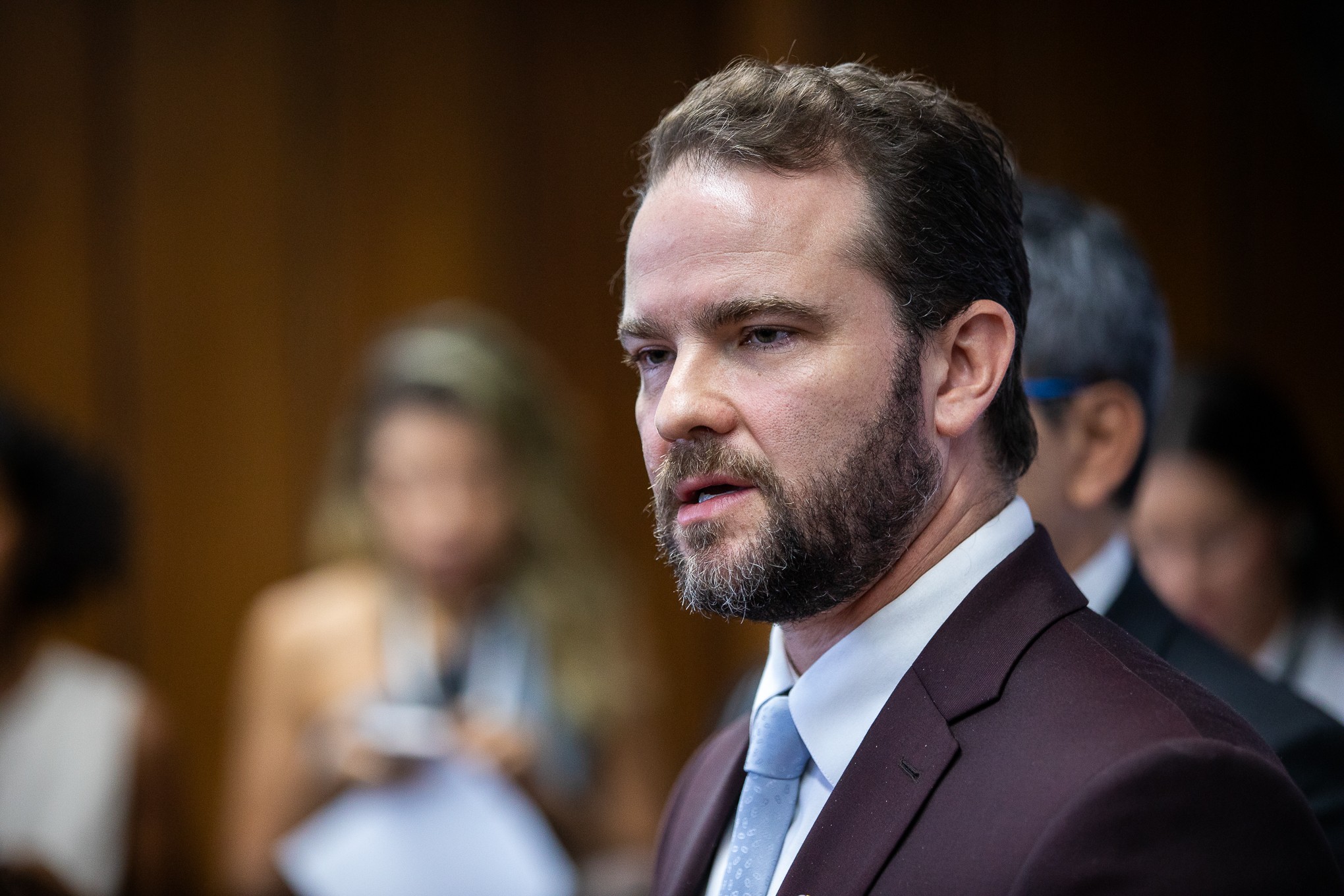
Brazil's Minister of Finance, Dario Durigan, stated that individuals and companies recently sanctioned by the United States for alleged ties to criminal factions were already under investigation within Brazil. He emphasized that the Brazilian Federal Police (PF) had an ongoing operation to dismantle a criminal organization involved in international drug trafficking and money laundering, issuing 11 temporary arrest warrants. Among those arrested was Stella Stefanie Nunes Henrique de Oliveira, who was sanctioned by the U.S. on Wednesday for alleged links to the First Command of the Capital (PCC). Businessman Victor Henrique de Oliveira Shimada, also a target of U.S. sanctions, is currently a fugitive sought by the PF. Durigan confirmed that these entities were already being investigated by the Federal Police and the Federal Revenue Service, indicating no new information was revealed by the U.S. sanctions. He expressed concern over what he termed U.S. "interference" and the lack of clarity regarding the objectives behind these actions. While Brazil is open to sharing information on suspected individuals, Durigan expects reciprocal information sharing from the United States. He noted that in these specific cases, there had been an exchange of information, with Brazilian authorities having informed the U.S. government about their ongoing investigations and punitive actions against these individuals and companies.
The statement from Brazil's Finance Minister highlights a complex interplay between national sovereignty in law enforcement and international cooperation on financial sanctions. The minister's assertion that targets were already under investigation suggests a potential for parallel or overlapping investigations by Brazilian and U.S. authorities. This situation raises questions about the optimal division of labor and information sharing protocols between nations when addressing transnational crime and money laundering. While the U.S. action may have aimed to exert pressure or expedite outcomes, Brazil's perspective indicates a desire for its own judicial processes to unfold with its partners providing support rather than perceived unilateral intervention. Future diplomatic engagement might focus on harmonizing investigative timelines and ensuring mutual respect for jurisdictional processes to enhance the effectiveness of global anti-crime efforts.
AI-generated to prompt reflection — not editorial opinion, not advice, not a statement of fact. How this works.