Brazil's First Family Support Space at Gpaci Marks 15 Years in Sorocaba
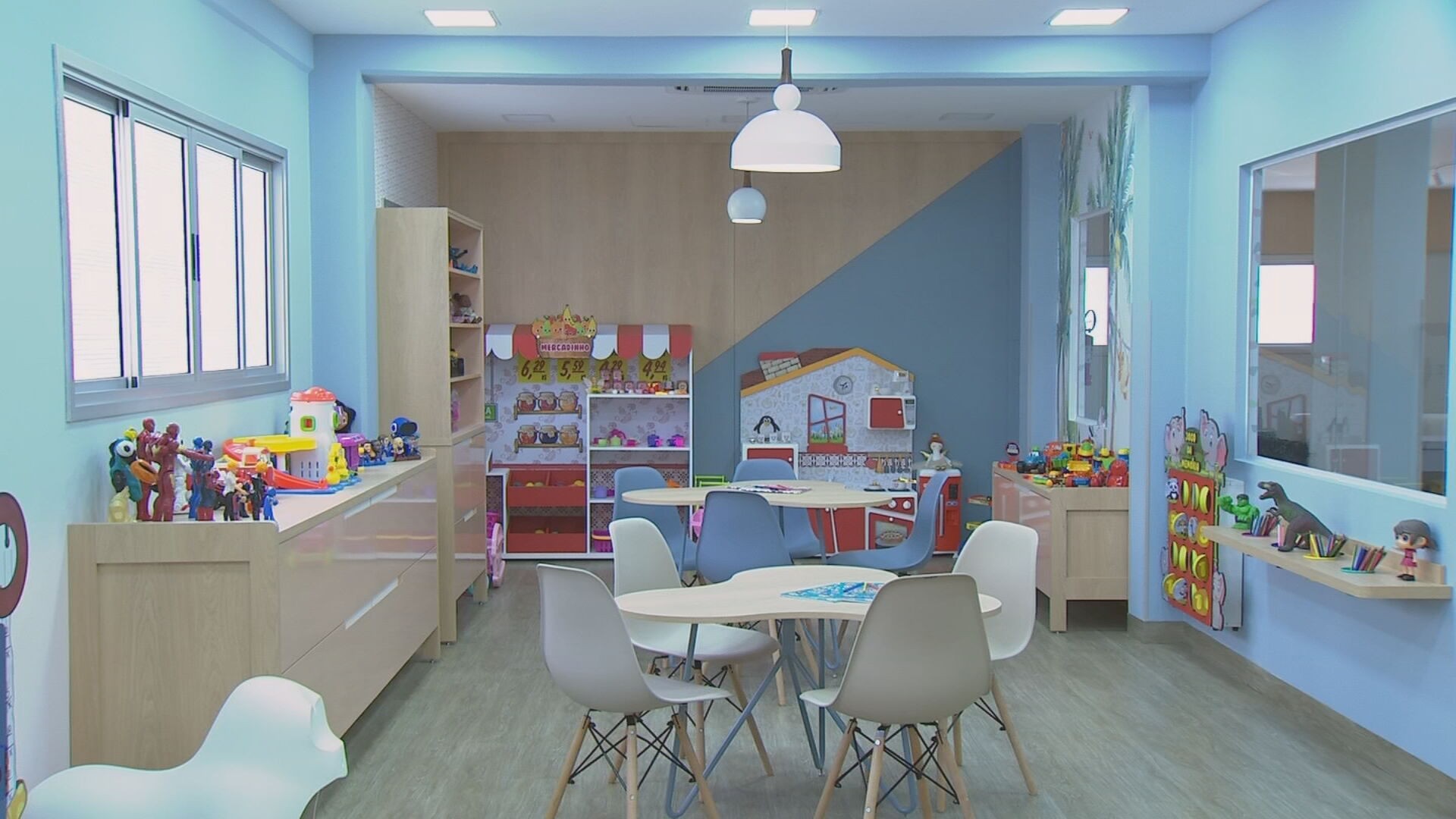
The Family Space at the Children's Cancer Hospital (Gpaci) in Sorocaba, São Paulo, is celebrating its 15th anniversary. Established in 2011 to provide crucial support and a welcoming environment for children and adolescents undergoing cancer treatment, the facility has served over 153,000 individuals. Designed to offer comfort during various medical procedures, the space accommodates approximately 30 people daily, featuring common areas, a playroom, a pantry, and engaging recreational, cultural, and educational activities.
Dra. Maria Lúcia Neiva de Lima, president of Gpaci, emphasized that the initiative has fundamentally changed how the hospital supports families, focusing on holistic care beyond just the illness. A key component is the Hospital Classroom, enabling patients to continue their studies with specialized teachers. This milestone comes less than two years after the space was severely damaged by a flood in January 2024, necessitating extensive reconstruction and reopening in August 2024. The Gpaci's Family Space was the first of its kind in Brazil and has inspired the creation of ten similar units nationwide, benefiting over 9,000 children and adolescents with approximately 77,500 attendances in 2025 alone. Bianca Provedel, CEO of Casa Ronald McDonald Brasil, highlighted the project's origin in understanding that care extends beyond medical treatment, stressing the need for supportive environments for patients and families. The concept was introduced to Brazil in 2010 following a visit by representatives from Casa Ronald McDonald to Gpaci, leading to the Sorocaba unit's inauguration the following year.
The 15-year milestone of Gpaci's Family Space highlights the critical role of non-medical support systems in pediatric oncology. This initiative, originating from an international concept, demonstrates a systemic recognition that patient outcomes are influenced by the psychosocial well-being of both the child and their family. The space's resilience, particularly its reconstruction after a significant flood, underscores the value placed on this model of care by the institution and its partners. As healthcare systems globally grapple with rising costs and increasing demand, such integrated support models offer a potential pathway to more human-centered and effective treatment journeys. The success of this first-of-its-kind initiative in Brazil, replicated across 11 other units, suggests a scalable framework for enhancing patient experience and potentially improving adherence to treatment protocols. Future considerations may involve evaluating the long-term impact of these spaces on patient recovery rates and family resilience in the face of chronic illness.
AI-generated to prompt reflection — not editorial opinion, not advice, not a statement of fact. How this works.
