Brazil's Folklore: From Daily Habits to Festivals, Culture Lives On
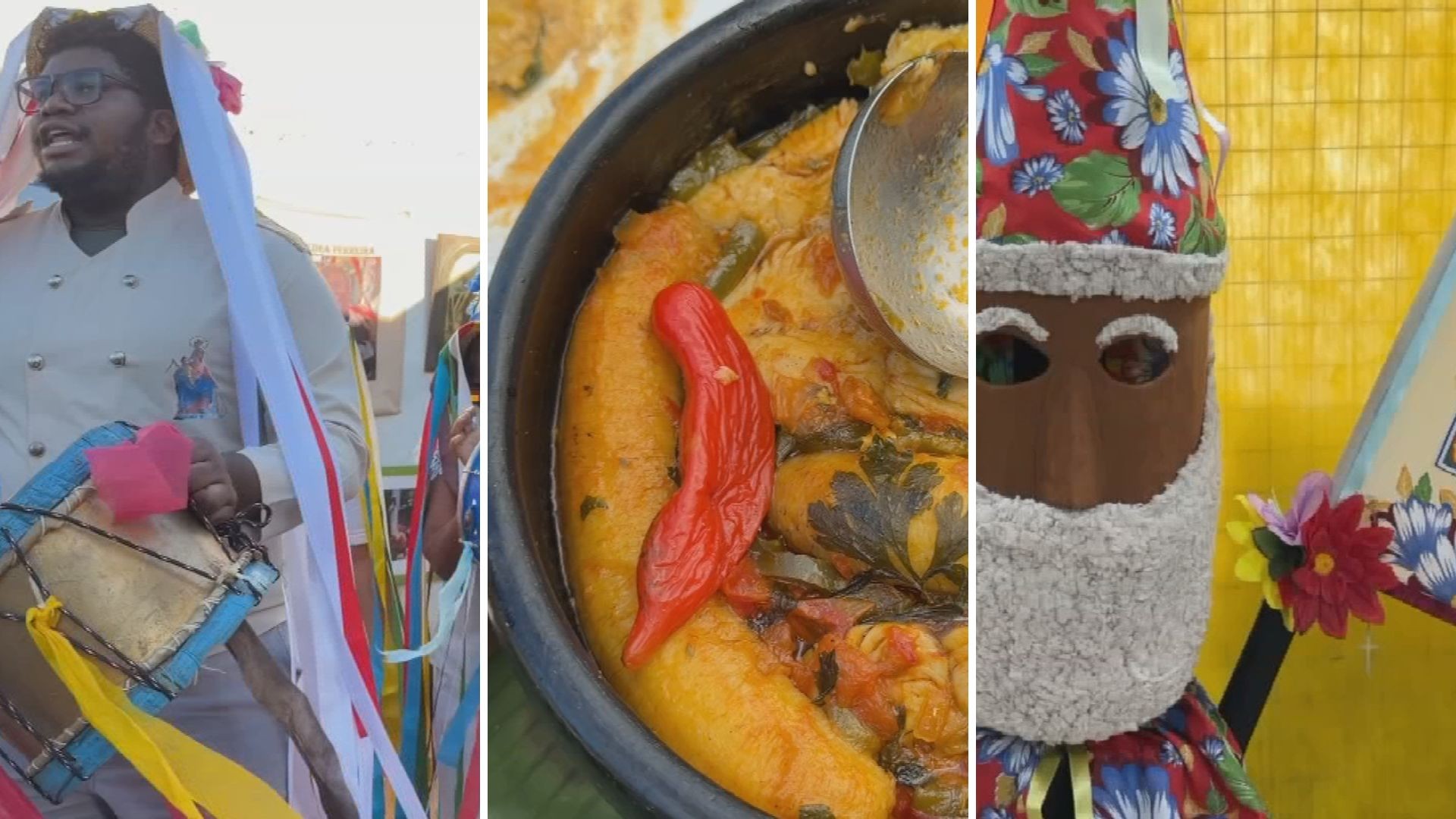
Beyond the vibrant performances at the Festival do Folclore de Olímpia (Fefol), Brazil's folklore is deeply woven into the fabric of daily life. This rich cultural heritage manifests in seemingly small, everyday actions, such as traditional recipes passed down by grandparents, distinct regional accents, and ingrained gestures. Olímpia, recognized as the National Capital of Folklore, is set to host the 62nd edition of Fefol, a major event featuring over 70 groups and 2,800 artists from 21 states, with Rio de Janeiro honored in 2026. The festival highlights the continuous evolution of folklore as a living heritage, preserved by those who keep ancestral stories, customs, and knowledge alive across generations.
Folklore's presence extends beyond mythical figures and dances, appearing in common practices like preparing homemade remedies, simple gestures of well-being, and repeating learned behaviors from parents and grandparents. Cidinhas Manzolli, founder of the Grupo Olimpiense de Danças Parafolclóricas, emphasizes that these habits, from what people eat and wear to how they communicate, are passed down unconsciously and continuously. In Tarituba, a coastal district of Paraty, artisanal fishing is more than a livelihood; it's a generational tradition, exemplified by Rafael de Souza Bulhões, who learned from his father and taught his son, Pablo. Their community's identity is also tied to culinary traditions, like the inseparable pairing of fish and banana, prepared in dishes such as pirão, a recipe learned and continued by cook Maristela de Souza Bulhões.
In Olímpia itself, folklore preservation is an ongoing effort by residents and local groups, with over 20 folkloric and parafolklore formations. The Congada, an Afro-Brazilian tradition blending music, dance, and faith, honors Catholic saints and preserves ancestral practices. Its instruments are handcrafted, and some artifacts, like a group's hat, are over 50 years old. Master João Batista Ferreira, who inherited the tradition from his father, now passes it to his sons, ensuring its continuity. Similarly, the Grupo Olimpiense de Danças Parafolclóricas 'Cidade Menina Moça' (Godap), Olímpia's oldest group at 59 years, showcases traditional dances and quadrilhas, with many members belonging to the same families, like dancers Vanessa da Silva Carrara and Isabella Cabrera, whose passion for folklore has been passed down through generations.
This report effectively illustrates how cultural traditions, often perceived as static or confined to festivals, are dynamic and integrated into the daily lives of Brazilians. The emphasis on intergenerational transmission of practices, from culinary arts and fishing to dance and religious expressions like Congada, underscores the resilience of cultural heritage in the face of modernization. The narrative highlights the importance of community involvement and family continuity in preserving these traditions, suggesting that their survival is contingent on active participation rather than passive observation. This perspective offers a valuable lens for understanding cultural preservation efforts globally, particularly in how localized traditions can adapt and persist through everyday adoption and adaptation, forming a crucial part of national identity.
AI-generated to prompt reflection — not editorial opinion, not advice, not a statement of fact. How this works.