Brazil's Foreign Ministry Vows to Continue US Tariff Negotiations
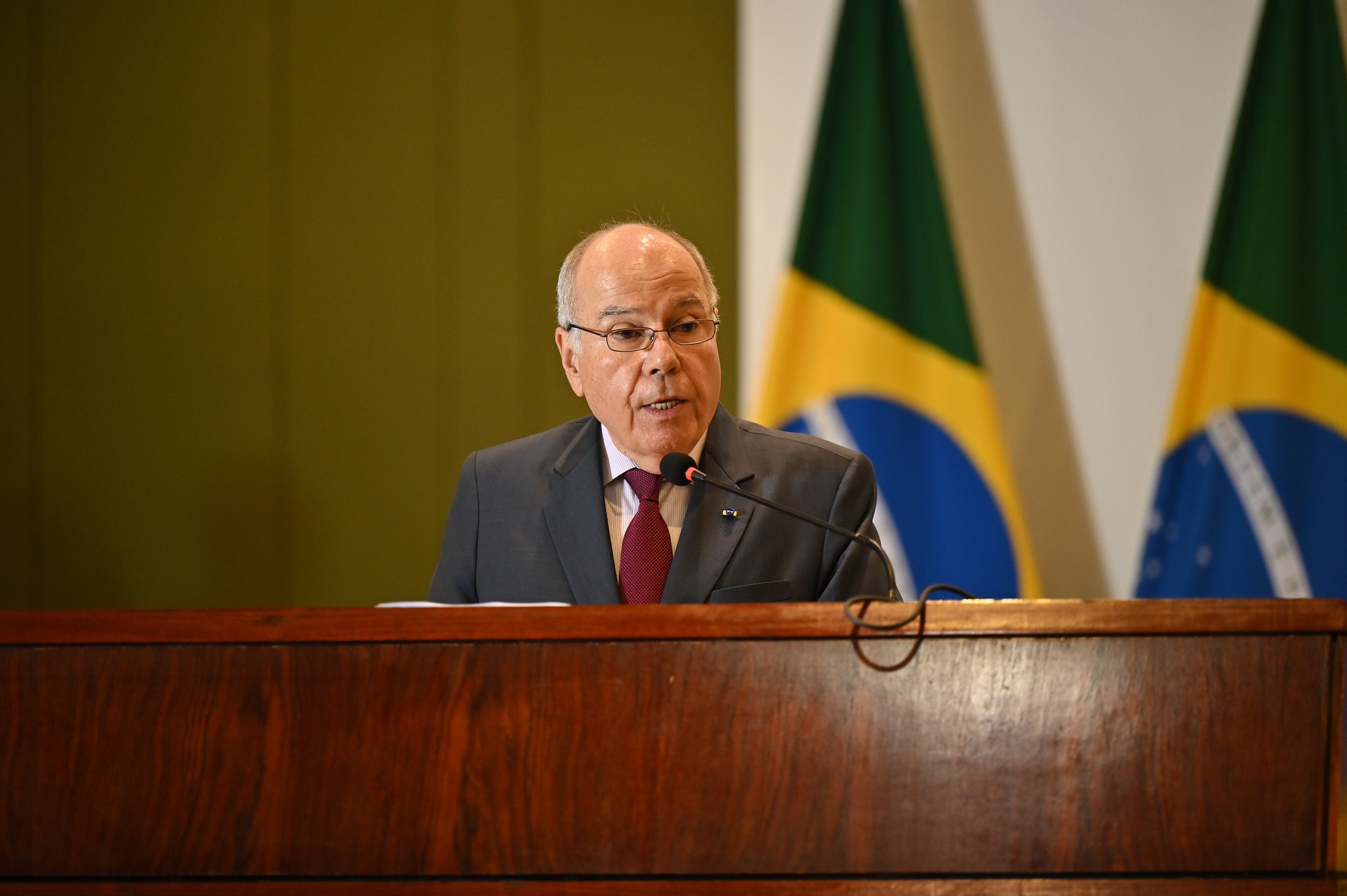
Brazil's Ministry of Foreign Affairs, known as Itamaraty, has reaffirmed its commitment to ongoing negotiations with the United States aimed at preventing the imposition of new tariffs on Brazilian products. The deadline for reaching an agreement is July 15th. This statement follows a joint appeal from Brazilian and American business associations urging further dialogue to avert a 25% tariff. Itamaraty expressed gratitude for the private sector's input and emphasized its year-long dedication to defending national interests through dialogue with US authorities.
The Confederation of National Industry (CNI) estimates that approximately 4,200 Brazilian products, including pig iron, wooden moldings, and ethyl alcohol, could be affected. These exports represent a significant US$15 billion market. Within the Brazilian government, there's a perception that the US Trade Representative's (USTR) decision carries political weight and has not adequately considered arguments presented over the past year concerning deforestation and the PIX payment system. The Lula administration views the US government as inflexible on these issues.
A joint letter from the CNI, the American Chamber of Commerce for Brazil (AmCham), and the U.S. Chamber of Commerce was sent to key officials, including Brazil's Foreign Minister Mauro Vieira and USTR chief Jamieson Greer. The letter stresses the importance of the strategic Brazil-US economic partnership and calls for negotiations to yield concrete, predictable outcomes that strengthen mutual trust and avoid additional tariffs, which could negatively impact businesses, workers, and consumers in both nations.
The Brazilian government's engagement in protracted negotiations with the U.S. over proposed tariffs highlights the complex interplay between trade policy, geopolitical considerations, and domestic economic interests. While Brazil emphasizes its commitment to dialogue and national interest, the U.S. Trade Representative's office appears to be leveraging its position, potentially to achieve concessions on issues beyond direct trade, such as environmental policies or digital payment systems. The involvement of private sector entities from both nations underscores the economic stakes and the desire for stability and predictability in bilateral trade relations. Looking ahead, the resolution of this dispute will likely depend on the perceived strategic value each nation places on the bilateral relationship versus the perceived benefits of imposing or resisting tariffs, with potential implications for future trade negotiations and the broader international trade architecture.
AI-generated to prompt reflection — not editorial opinion, not advice, not a statement of fact. How this works.