Brazil's Forgotten Pennies: Nearly $32 Million in 1-Cent Coins Lie Unused
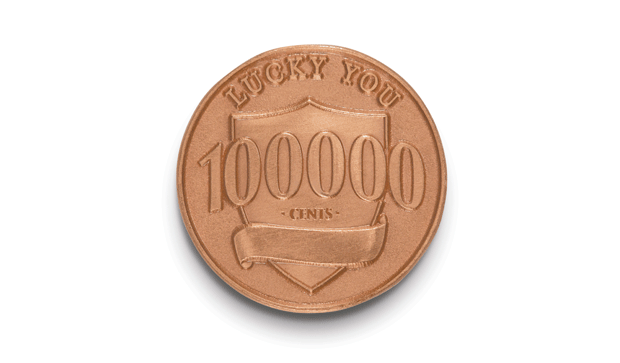
Approximately R$ 32 million (nearly $6.5 million USD) in Brazilian 1-cent coins remain unused, tucked away in drawers and old clothes. Despite the suspension of their production over 20 years ago, an estimated 3.19 billion of these coins are still technically in circulation, according to the Central Bank of Brazil (BC). This quantity is comparable to the number of 25 and 50-cent coins currently circulating. The 1-cent coin, the smallest denomination of the Brazilian Real, is rarely used in daily transactions, though it retains its official value. Production of these coins ceased in 2004, with the BC suspending it in 2005 due to the disproportionately high cost of manufacturing, which exceeded the coin's face value. This situation mirrors that of the U.S. penny, which also saw its production costs rise significantly. Economists suggest that historical inflation and the rise of digital payment methods like PIX have contributed to the public's disinterest in low-value coins, leading to hoarding. While 5 and 10-cent coins are not expected to be discontinued, some rare 1-cent coins, particularly those with minting errors or in pristine condition, can fetch significant prices among collectors, sometimes reaching up to R$ 100.
The widespread hoarding of 1-cent coins in Brazil highlights a disconnect between official monetary policy and public utility, exacerbated by inflation and evolving payment technologies. While the Central Bank maintains the nominal value of these coins, the economic realities of production costs and the convenience of digital transactions have rendered them practically obsolete for everyday use. This situation presents a systemic inefficiency, as a large volume of physical currency, representing substantial material and minting investment, is effectively removed from circulation. The potential for rare specimens to gain collector value, while a niche phenomenon, underscores how perceived scarcity and unique characteristics can override face value, a dynamic worth observing in broader economic contexts. Future monetary systems may need to more proactively address the lifecycle and utility of low-denomination currency to avoid such large-scale disuse.
AI-generated to prompt reflection — not editorial opinion, not advice, not a statement of fact. How this works.