Brazil's Fort Andradas: Exclusive Beach, Military Base, and Presidential Stays
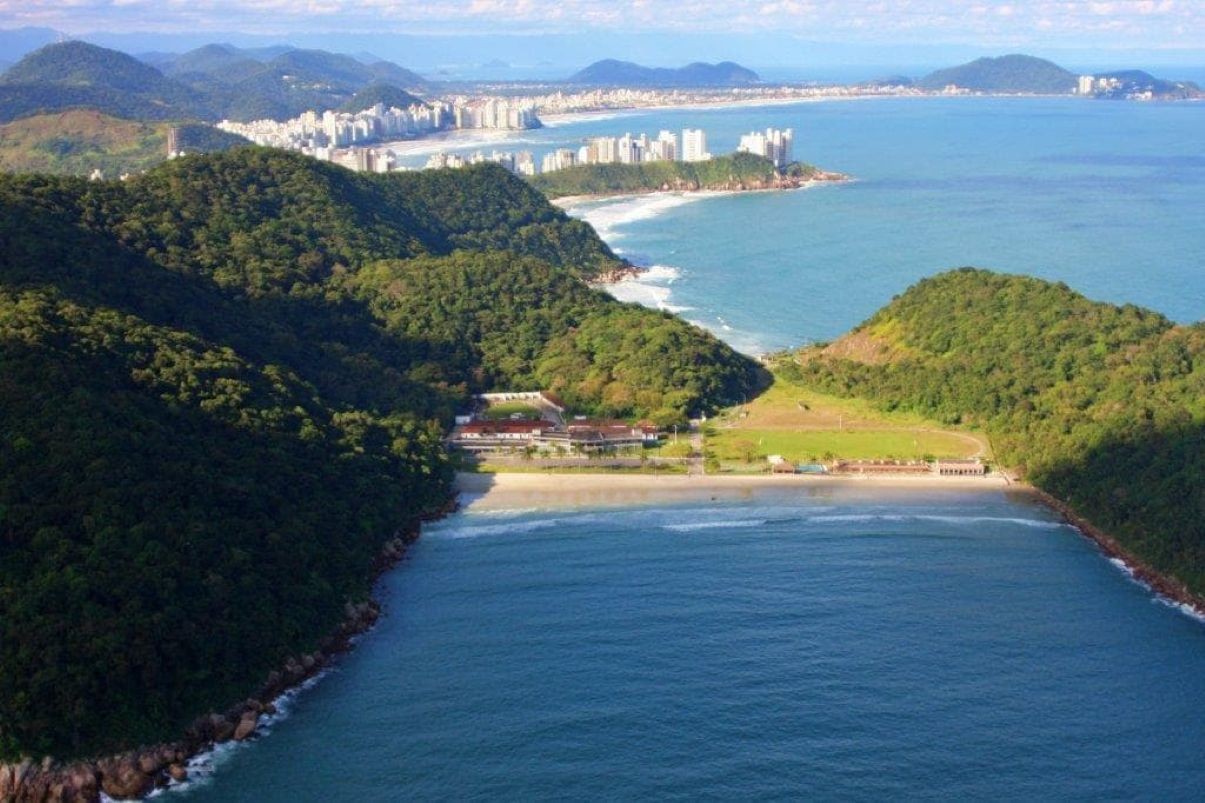
The Monduba Beach in Guarujá, São Paulo, is a unique coastal area located within the Parque Ecológico e Militar Forte dos Andradas. Access to this approximately 300-meter-long beach is restricted and requires authorization from the Brazilian Army, as it is part of the headquarters for the Army's Anti-Aircraft Defense Command (Cmdo DAAe Ex). The military complex also includes the Bueno and Moisés beaches, with all areas belonging to the Union and managed by the Army. The historical Forte dos Andradas, the last fixed fortification built in Brazil and inaugurated in 1942 during World War II, is also situated within this protected zone.
Despite its restricted access, the military's control has helped preserve the area's natural ecosystems, making it an important reference point for environmental studies. The site's isolation from urban development has maintained its natural characteristics, supporting diverse marine and terrestrial organisms. The Forte dos Andradas itself, partially excavated into the Monduba Hill, features subterranean tunnels and was designed to defend the Port of Santos.
The complex also houses the Forte dos Andradas Transit Hotel, primarily for military personnel and their families, but which has also hosted former presidents Luiz Inácio Lula da Silva and Jair Bolsonaro during their terms. While guided tours of the historical site are available and free, they do not include access to Monduba Beach or other restricted areas. Access to the beach, as well as maritime activities, can be suspended based on operational needs, administrative decisions, or weather conditions.
The dual nature of Forte dos Andradas as a protected ecological zone and a strategic military installation highlights the complex interplay between national security, environmental preservation, and public access. The stringent access controls, while fostering ecological integrity, also create an exclusive environment, limiting public engagement with a significant natural and historical asset. This model raises questions about balancing security imperatives with broader societal benefits, such as tourism and education, and how such balances might evolve with increasing demands for both conservation and accessibility in the digital age. Future considerations may involve leveraging technology for enhanced, yet secure, virtual or limited physical access, thereby reconciling these often-competing interests.
AI-generated to prompt reflection — not editorial opinion, not advice, not a statement of fact. How this works.