Brazil's Gasoline Now Contains 32% Ethanol, Raising Concerns for Older Cars
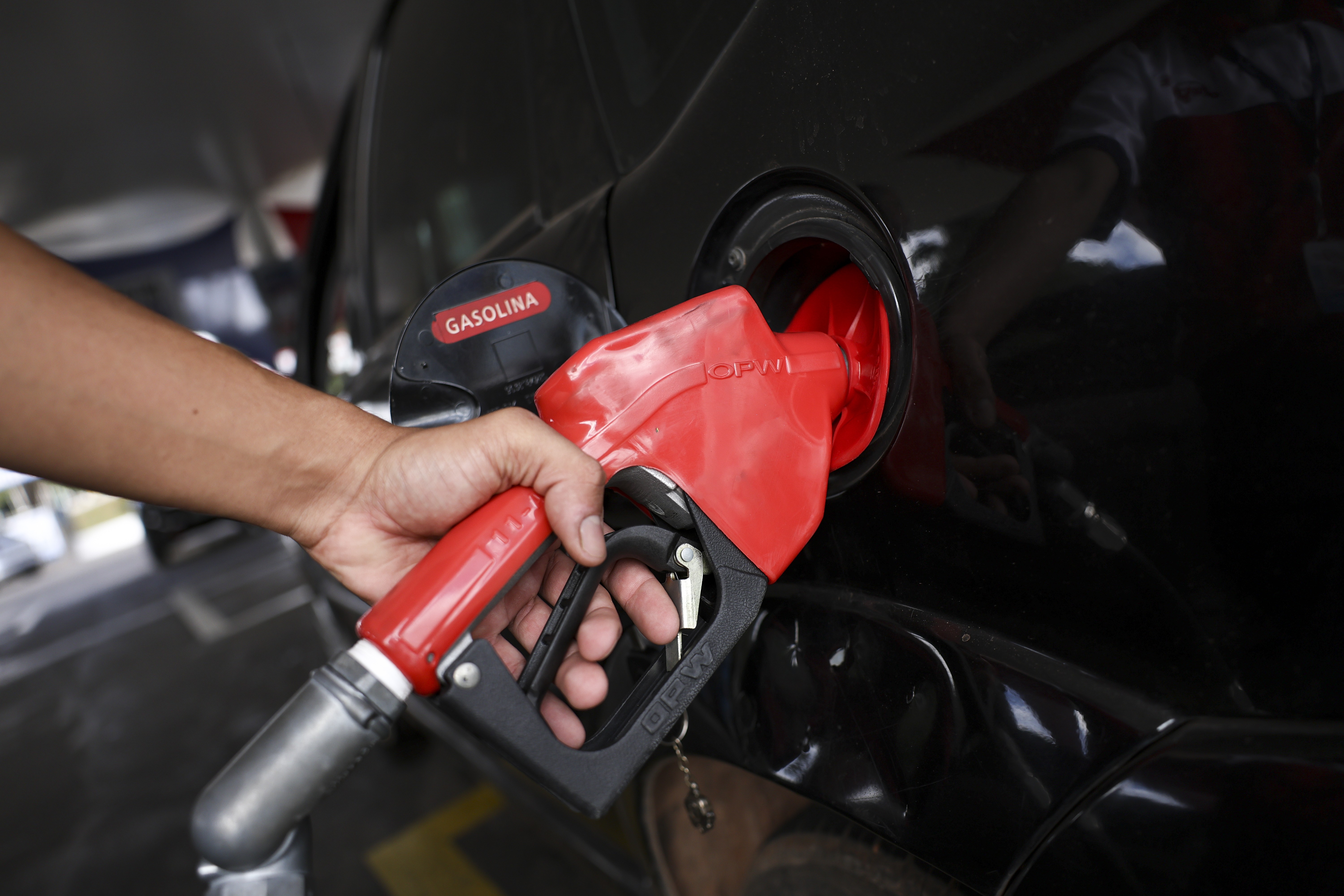
As of Saturday, April 1st, common gasoline sold in Brazil now contains 32% ethanol, a change announced by the National Energy Policy Council (CNPE) on July 14th. This adjustment has prompted complaints from drivers and mechanics, with experts indicating that older vehicles are most susceptible to its effects, though newer models may also face issues. The primary impacts for cars designed exclusively for gasoline include a slight increase in fuel consumption, estimated at up to 5%, and a reduction in vehicle range. Experts highlight that gasoline engines operate with lower compression ratios compared to ethanol engines, which are designed for higher compression. This discrepancy can lead to engine misfires, power loss, and difficulties with cold starts when using the higher ethanol blend.
The increased ethanol content in Brazilian gasoline, now at 32% (E32), presents a systemic challenge for vehicles not designed for flex-fuel capabilities, particularly older models. While the shift aims to promote renewable energy sources, it exposes potential vulnerabilities in legacy automotive infrastructure. The economic implications involve potential increases in maintenance costs for owners of older vehicles and a possible reduction in fuel efficiency. Mechanically, the higher ethanol blend can accelerate corrosion in components like carburetors and fuel tanks, especially those made of metal, and can exacerbate wear on fuel pumps and injectors. Future automotive policy in Brazil may need to consider a phased approach to fuel composition changes, coupled with robust public awareness campaigns and potential incentives for upgrading older vehicle fleets to mitigate these adverse effects and ensure a smoother energy transition.
AI-generated to prompt reflection — not editorial opinion, not advice, not a statement of fact. How this works.