Brazil's Goiás State Under Danger Alert for Critically Low Humidity
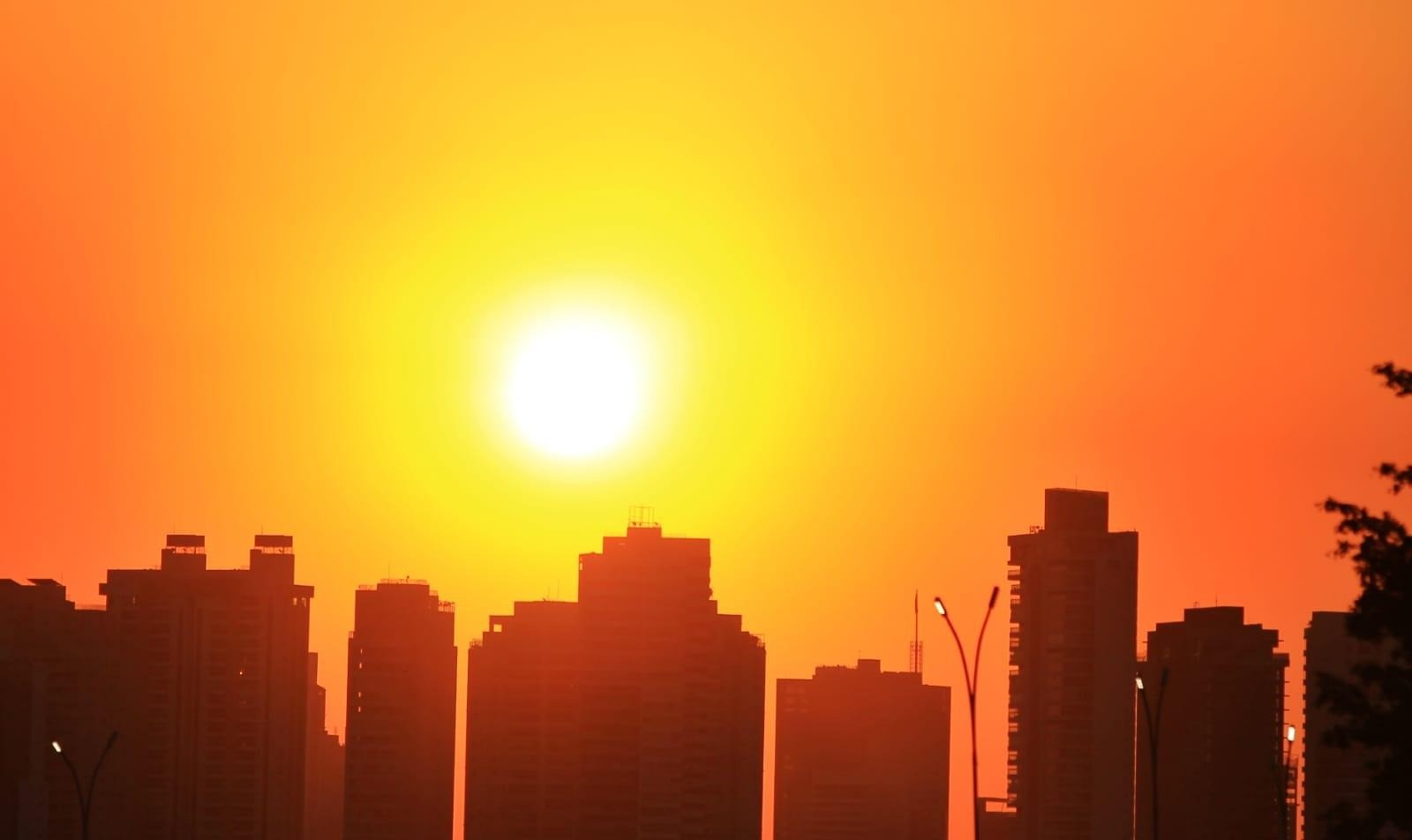
The National Institute of Meteorology (Inmet) has issued a danger alert for low humidity across the entire state of Goiás, Brazil, effective from Wednesday, May 8th, through Sunday, May 12th. This alert also extends to 14 other Brazilian states due to anticipated climate shifts. During this period, the relative humidity in Goiás is expected to drop to between 20% and 30% in the afternoons. André Amorim, manager of the Goiás Center for Meteorological and Hydrological Information (Cimehgo), stated that the ideal humidity level for human and animal well-being is around 50%. Current levels around 25% necessitate increased precautions, particularly regarding hydration and avoiding sun exposure during the hottest parts of the day. Amorim described the current alert level as 'attention,' advising the public to avoid physical exertion during the driest hours and to protect themselves from the sun. There is a low probability of isolated rain showers on Sunday, May 12th, after which the humidity is expected to improve in some areas. The forecast for Thursday, May 9th, shows high temperatures and low humidity across various regions of Goiás, with highs reaching up to 35°C in some northern areas.
The Inmet's danger alert for low humidity in Goiás highlights the vulnerability of regions experiencing arid conditions, a phenomenon exacerbated by broader climate shifts. This situation underscores the importance of public health advisories and preparedness measures to mitigate risks associated with extremely dry air, such as respiratory issues and increased fire hazards. The forecast suggests a pattern of prolonged dry spells interspersed with brief, isolated rainfall, indicating a need for adaptive strategies in water resource management and public health planning. Looking ahead, the increasing frequency and intensity of such weather events, potentially linked to climate change, necessitate a long-term focus on resilience-building infrastructure and public education campaigns to foster community adaptation to a changing climate.
AI-generated to prompt reflection — not editorial opinion, not advice, not a statement of fact. How this works.