Brazil's Government Warns of Emotional Manipulation and Data Risks in AI Toys
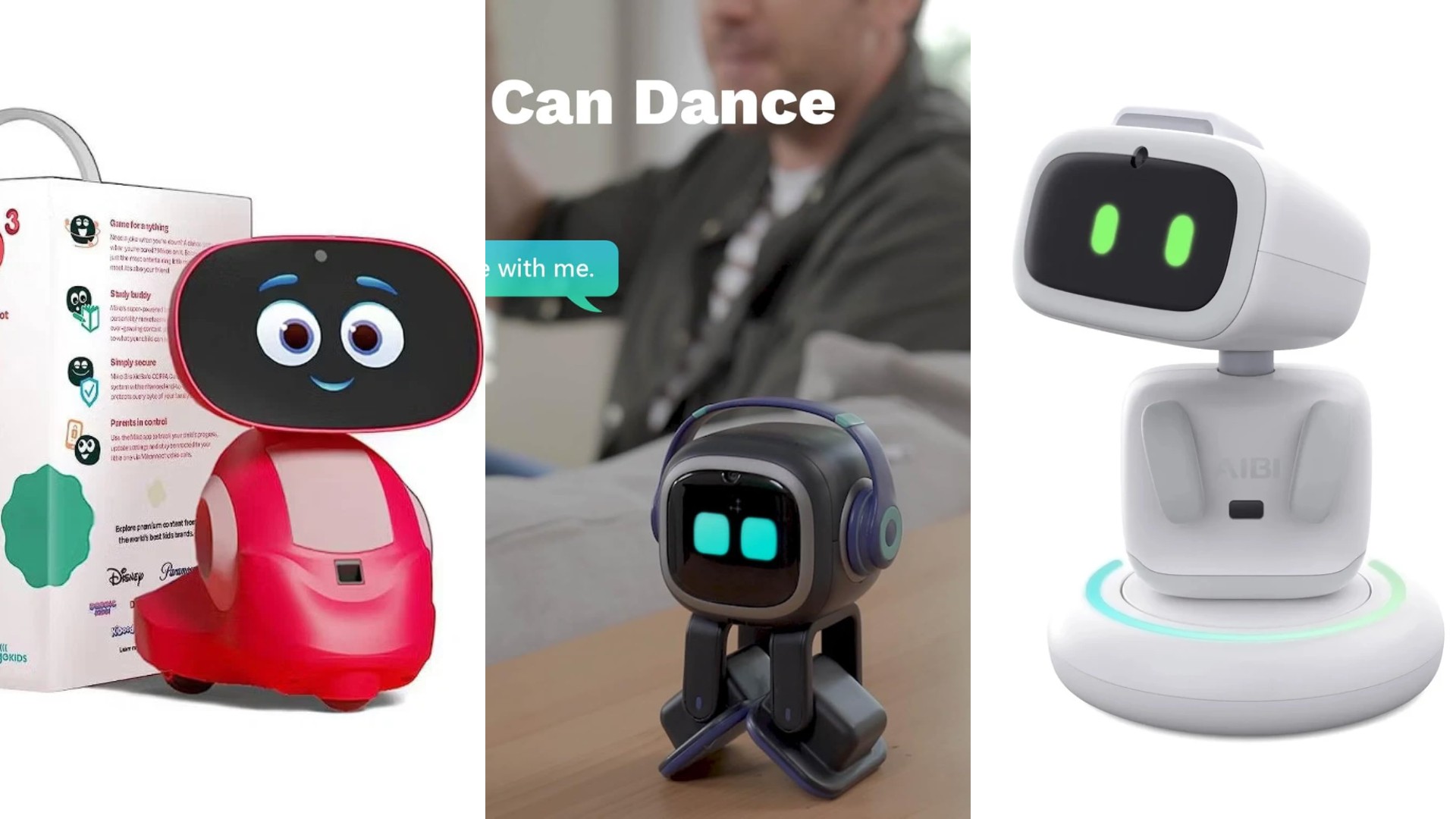
Brazil's Ministry of Justice and Public Security, through its National Secretariat for Digital Rights (Sedigi), has identified significant risks associated with artificial intelligence (AI) powered toys sold in the country. A technical note highlights concerns about emotional manipulation of children and the collection of personal data by these devices. The ministry suggests these products may violate digital rights stipulated in the Child and Adolescent Statute (ECA Digital) and recommends further investigation into potential irregularities.
Sedigi analyzed six AI toys available in Brazil via major online marketplaces: Loona, EMO, Miko 3, Aibi, Amazon Fire HD Kid Pro tablet, and Vector. These devices often feature cameras, microphones, and sensors capable of capturing biometric data, voice, and environmental information. They utilize AI to engage in conversations, simulate emotions, and adapt to a child's behavior, continuously collecting data during interactions. The ministry warns that the emotional bonds formed can lead to manipulation, encourage excessive use, and potentially expose sensitive information if security flaws exist.
International precedents, such as the My Friend Cayla doll banned in Germany for recording conversations and audio leaks involving the Miko 3 robot, underscore these concerns. The government also emphasizes the responsibility of e-commerce platforms to clearly disclose the use of AI, internet connectivity, privacy risks, and the need for parental supervision. The findings suggest systemic irregularities that could impact children's fundamental rights, necessitating formal scrutiny.
AI-driven toys present a complex intersection of technological innovation and child welfare, raising critical questions about data privacy, emotional development, and corporate accountability. The Brazilian government's concerns highlight a growing global challenge: ensuring that AI applications designed for children are ethically developed and deployed. The potential for continuous data collection and sophisticated emotional adaptation in these toys necessitates robust regulatory frameworks that can keep pace with rapid technological advancements. Future governance models must balance fostering innovation with safeguarding vulnerable populations, considering the long-term implications of early exposure to emotionally responsive AI on cognitive and social development. The onus is on manufacturers, retailers, and regulators to establish clear standards for transparency, security, and ethical design, ensuring that AI toys serve as beneficial tools rather than instruments of manipulation or surveillance.
AI-generated to prompt reflection — not editorial opinion, not advice, not a statement of fact. How this works.