Brazil's Health Minister Announces Task Force to Restructure Unicamp Hospital's ER
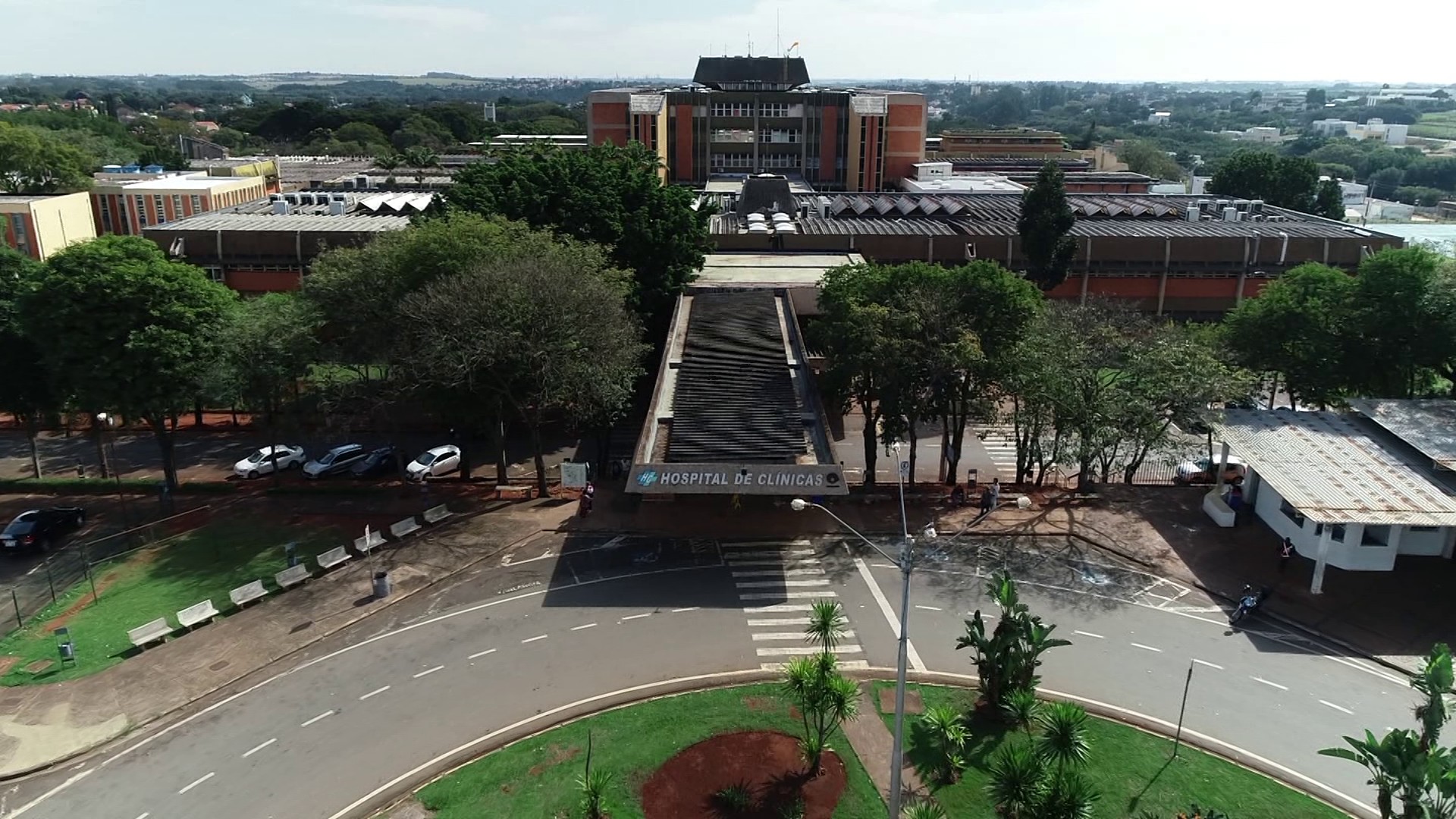
Alexandre Padilha, Brazil's Minister of Health, announced on Friday, March 3rd, the formation of an integrated task force aimed at restructuring the emergency and urgent care services at the University of Campinas (Unicamp) Hospital de Clínicas (HC). This initiative intends to alleviate the significant pressure currently experienced by the hospital's emergency room. The task force will involve the Ministry of Health, the Unicamp HC superintendency, and the Campinas City Hall to explore restructuring options and reduce the strain on the emergency department.
During his visit to Campinas, São Paulo, Minister Padilha also addressed a proposed R$500 million oncology hospital project. This project was initially presented to the former minister, Nísia Trindade, in December 2024. Padilha indicated that the proposal is under reevaluation, with the final decision contingent on the assessment by the hospital's newly appointed superintendency. The oncology hospital project was highlighted in 2024 due to rising cancer diagnoses in the region, expected future growth in cases, a shortage of specialized treatment beds and resources, regional disparities in complex treatment infrastructure, and long waiting lists for admissions, exams, and surgeries that negatively impact patient prognoses.
While the Ministry of Health stated that the oncology initiative did not advance and no formal request has been submitted by local management, Padilha confirmed that discussions are ongoing regarding the optimal structure for cancer care in the area. He noted that cancer treatment services are being expanded at Mário Gatti Hospital, which will receive a new radiotherapy center. Furthermore, the Unicamp HC will also gain a new, modern linear accelerator radiotherapy center, and another will be established at Caism.
The announcement of a task force to address overcrowding at Unicamp's HC emergency department reflects a systemic challenge in Brazil's public healthcare system, often characterized by resource allocation and demand imbalances. The reevaluation of the R$500 million oncology hospital project, despite its initial presentation and justification based on demographic trends and existing infrastructure gaps, highlights the complexities of large-scale public health investments. Factors such as changes in hospital leadership, evolving fiscal priorities, and the need for detailed operational planning can significantly influence project timelines and feasibility. The minister's emphasis on expanding existing radiotherapy services suggests a pragmatic, phased approach to improving cancer care, potentially balancing immediate needs with long-term strategic goals. Future success will likely depend on robust intergovernmental coordination, transparent financial oversight, and adaptive management to ensure sustainable healthcare delivery.
AI-generated to prompt reflection — not editorial opinion, not advice, not a statement of fact. How this works.