Brazil's Health Minister to Mediate Talks on $3.4M Rare Disease Drug
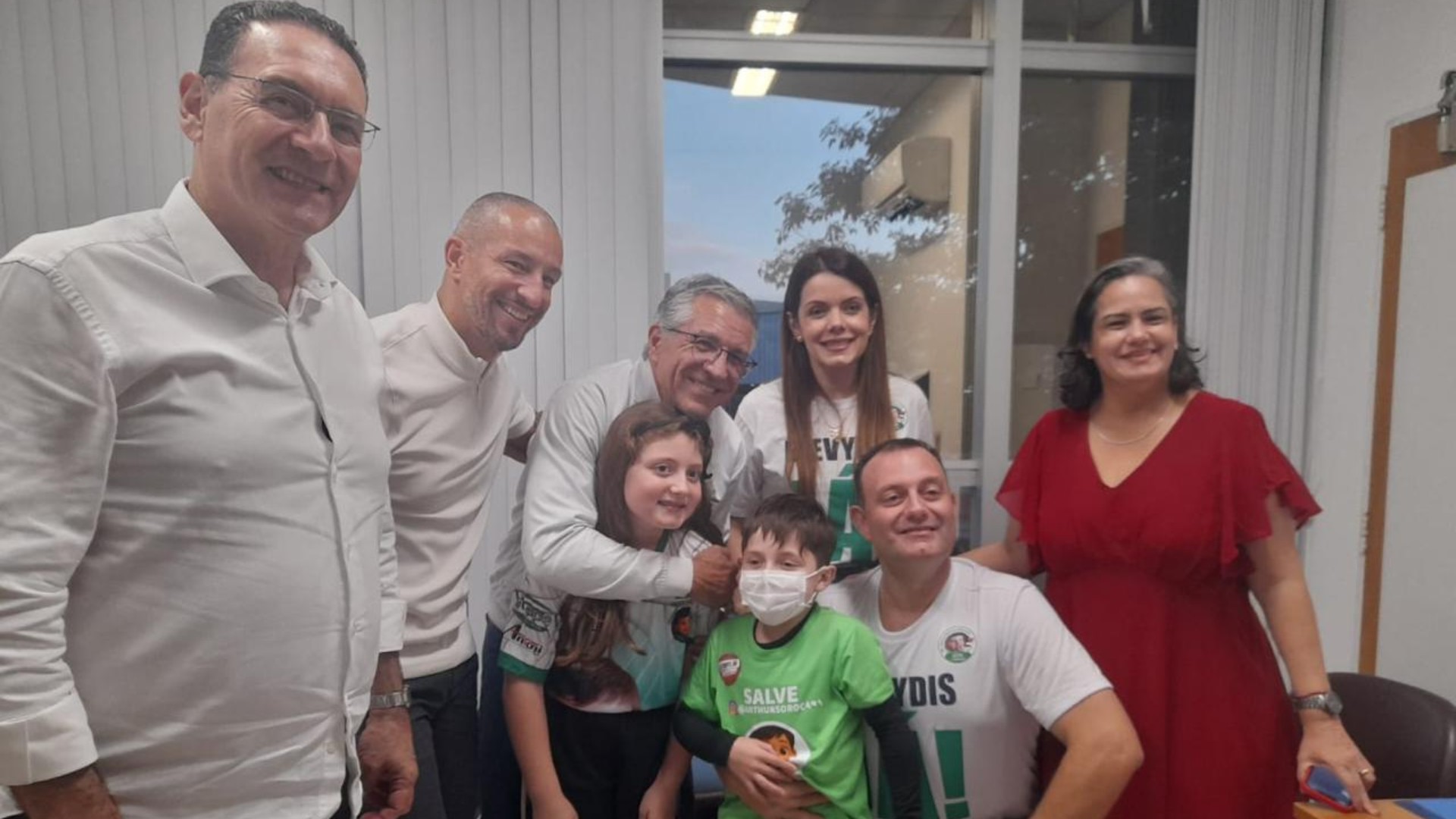
Brazil's Minister of Health, Alexandre Padilha, met with the family of Arthur Jordão, a young boy from Sorocaba diagnosed with Duchenne Muscular Dystrophy (DMD), a rare genetic disorder causing progressive muscle degeneration. The meeting, held on Friday, June 3rd, focused on the potential approval of the drug Elevidys, manufactured by Roche, which costs approximately R$ 17 million (about $3.4 million USD). Padilha pledged to facilitate a meeting between the National Health Surveillance Agency (Anvisa) and Roche to discuss the regulatory review of this medication. Arthur's parents, Natália Jordão and Josias de Lara, presented information from a public hearing held on June 16th in Brasília, where Roche shared study data on Elevidys. The minister stated that high cost alone should not prevent a drug's inclusion in the public health system, emphasizing his intent to expedite the meeting with Anvisa and Roche. The family views this commitment as a significant step forward, expressing hope that it will clarify the regulatory process and accelerate access to treatment, as Duchenne's progression waits for no one. Arthur, who turns seven soon, is within the age range for Elevidys treatment, which is approved for children under eight in other countries. Meanwhile, the family's fundraising campaign, started in June 2025, has raised just over R$ 1.1 million, less than 7% of the required amount for the single-dose medication. The urgency is heightened by the time-sensitive nature of the treatment.
The Brazilian Ministry of Health's intervention highlights the complex interplay between patient advocacy, pharmaceutical pricing, and regulatory approval processes for high-cost, life-altering medications. The minister's commitment to mediating discussions between Anvisa and Roche underscores the government's recognition of the urgent need for access to treatments for rare diseases, while also acknowledging the significant financial implications for the public health system. This situation reflects a broader global challenge: balancing the imperative to provide cutting-edge therapies with the fiscal realities of healthcare provision. The case prompts consideration of innovative funding models, expedited review pathways for critical treatments, and transparent dialogue between manufacturers, regulators, and patient groups to navigate the ethical and economic dimensions of rare disease drug accessibility in the coming decade.
AI-generated to prompt reflection — not editorial opinion, not advice, not a statement of fact. How this works.