Brazil's IBGE Begins National Health Survey in Rio Grande do Norte with Biomarker Collection
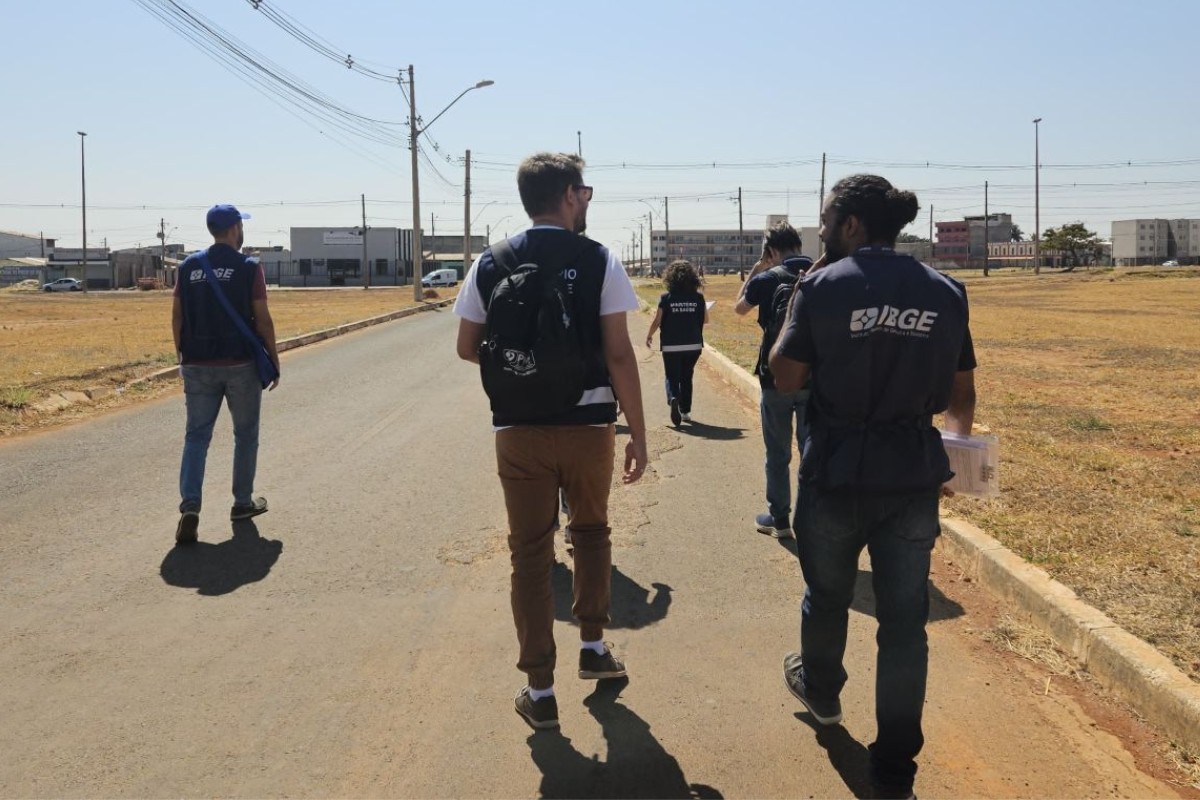
The Brazilian Institute of Geography and Statistics (IBGE) has initiated the 2026 National Health Survey (PNS) in Rio Grande do Norte, targeting 4,716 households across 77 municipalities. A significant new feature of this edition is the collection of biomarkers through blood and urine tests, to be conducted by qualified health professionals. These sample collections will focus on individuals aged 35 and older residing in municipalities within the Metropolitan Region of Natal. The survey questionnaire will cover a range of topics including chronic diseases, general health status, lifestyle habits, healthcare access and utilization, and health insurance coverage, alongside measurements of blood pressure, weight, and height. While individuals aged 12 and above can participate, certain sections of the questionnaire are designated for those aged 15 and older. This marks the third iteration of the PNS, considered Brazil's primary household survey on population health conditions, with data collection continuing nationwide until November. IBGE emphasizes that its research agents will be clearly identifiable by their blue uniform vests, ID badges, and mobile data collection devices, with their identities verifiable online or by phone. The PNS is crucial for informing health policies, programs, and the management of Brazil's Unified Health System (SUS), while also supporting national and international health-related goals.
This expansion of the National Health Survey to include biological sample collection represents a significant methodological advancement, moving beyond self-reported data to incorporate objective health indicators. This shift is critical for generating more robust evidence to inform public health strategies and the management of Brazil's Unified Health System (SUS). By integrating biomarker data, the IBGE can potentially identify population health trends and disparities with greater precision, enabling more targeted interventions. The inclusion of this data collection method, particularly for chronic disease indicators, aligns with global efforts to enhance epidemiological surveillance in the digital age. Future iterations could explore leveraging this data for predictive health analytics, further optimizing resource allocation and preventative care initiatives within the SUS framework.
AI-generated to prompt reflection — not editorial opinion, not advice, not a statement of fact. How this works.