Brazil's Industries Urge Negotiation Over New US Tariffs
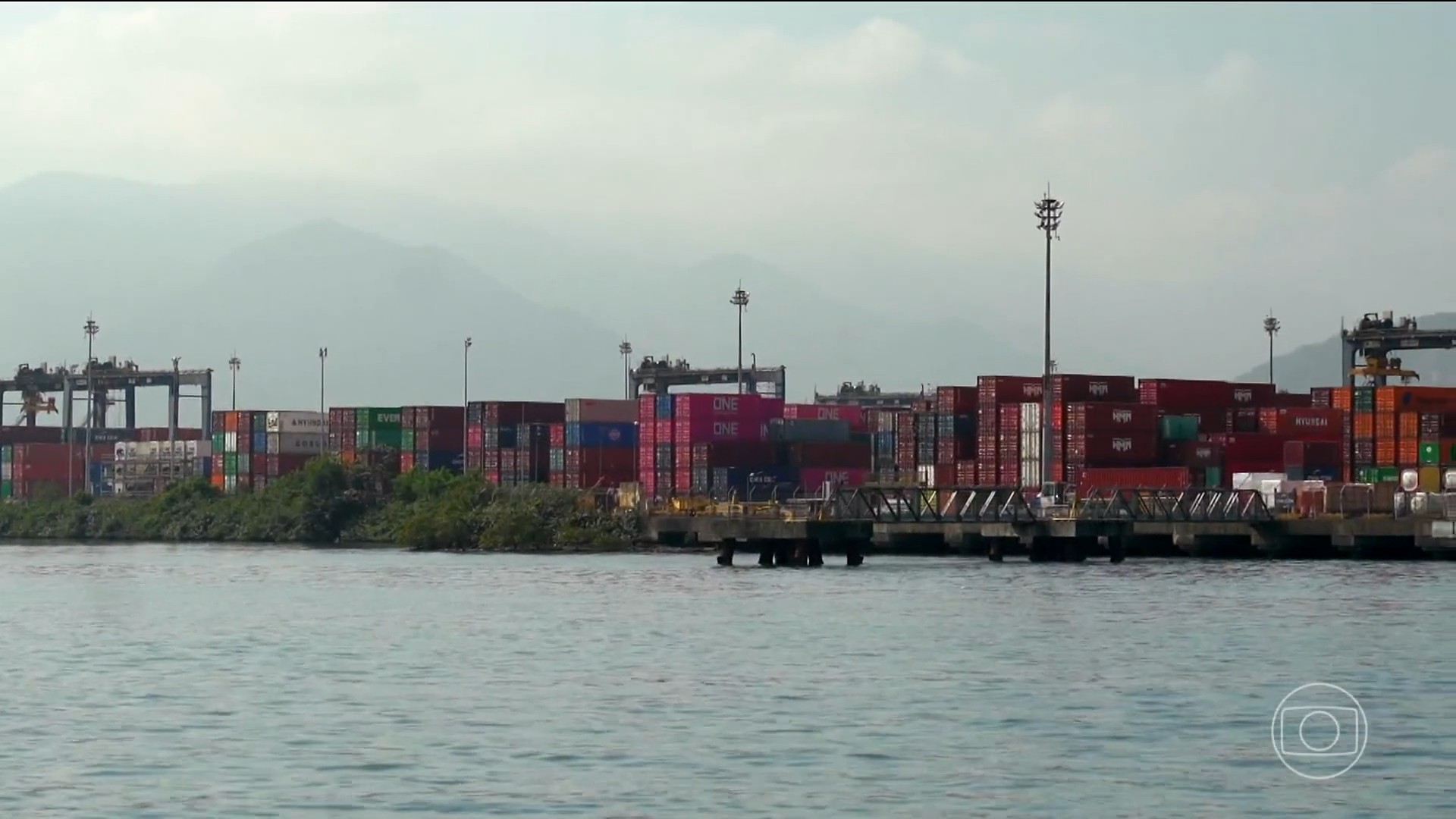
Brazilian industries significantly impacted by new U.S. tariffs are advocating for continued negotiations to potentially reverse the measures. The latest tariff, effective Wednesday, August 22nd, adds a 25% charge on top of a previous 12.5% levy, resulting in a total of 37.5% for exports to the American market. This affects sectors such as apparel, machinery, equipment, and footwear, with the U.S. accounting for 20% of Brazil's footwear exports. The shoe industry, already anticipating losses, has revised its export fall projections from 3.6% to over 7% due to these combined tariffs, according to Haroldo Ferreira, CEO of Abicalçados. The Ministry of Development, Industry, Trade, and Services estimates that 16.5% of Brazilian exports will now be subject to both tariffs, impacting nearly 4,000 products, as calculated by the National Confederation of Industry (CNI). Meanwhile, strategic U.S. imports like coffee, meat, and orange juice remain exempt. Felippe Serigati, a researcher at FGV Agro, views these tariffs as a protectionist policy aimed at bolstering U.S. domestic industries and fostering reindustrialization. The marble and granite sector, which had already seen a 55% export drop to the U.S. after a previous, now-overturned tariff, faces renewed challenges with these two new charges. The Brazilian Natural Stones Association highlights the U.S. market's importance, noting that these tariffs also harm American companies relying on Brazilian raw materials, which support an estimated 200,000 U.S. jobs. Despite the Brazilian government's intent to use economic reciprocity laws, business representatives, including Abrão Neto, president of Amcham Brazil, emphasize that dialogue and negotiation are the most effective routes to de-escalate potential trade and political tensions.
The imposition of U.S. tariffs on Brazilian goods, particularly impacting sectors like apparel, machinery, and footwear, signals a continuation of protectionist trade policies aimed at bolstering domestic U.S. industries. While Brazil's government considers retaliatory measures under economic reciprocity laws, industry leaders are prioritizing diplomatic negotiation, recognizing the potential for escalating trade disputes. The situation highlights the complex interplay between national industrial policy, international trade agreements, and the global supply chains that link economies. From a long-term perspective, such tariff actions can disrupt established trade flows, potentially leading to shifts in global manufacturing bases and increased costs for consumers and businesses in both nations. The reliance of U.S. companies on Brazilian raw materials, as noted by the Natural Stones Association, underscores the interconnectedness of these markets and the potential for reciprocal damage, prompting a strategic re-evaluation of trade dependencies in the coming decade.
AI-generated to prompt reflection — not editorial opinion, not advice, not a statement of fact. How this works.