Brazil's Industry Urges Swift Negotiation as US Imposes New Tariffs
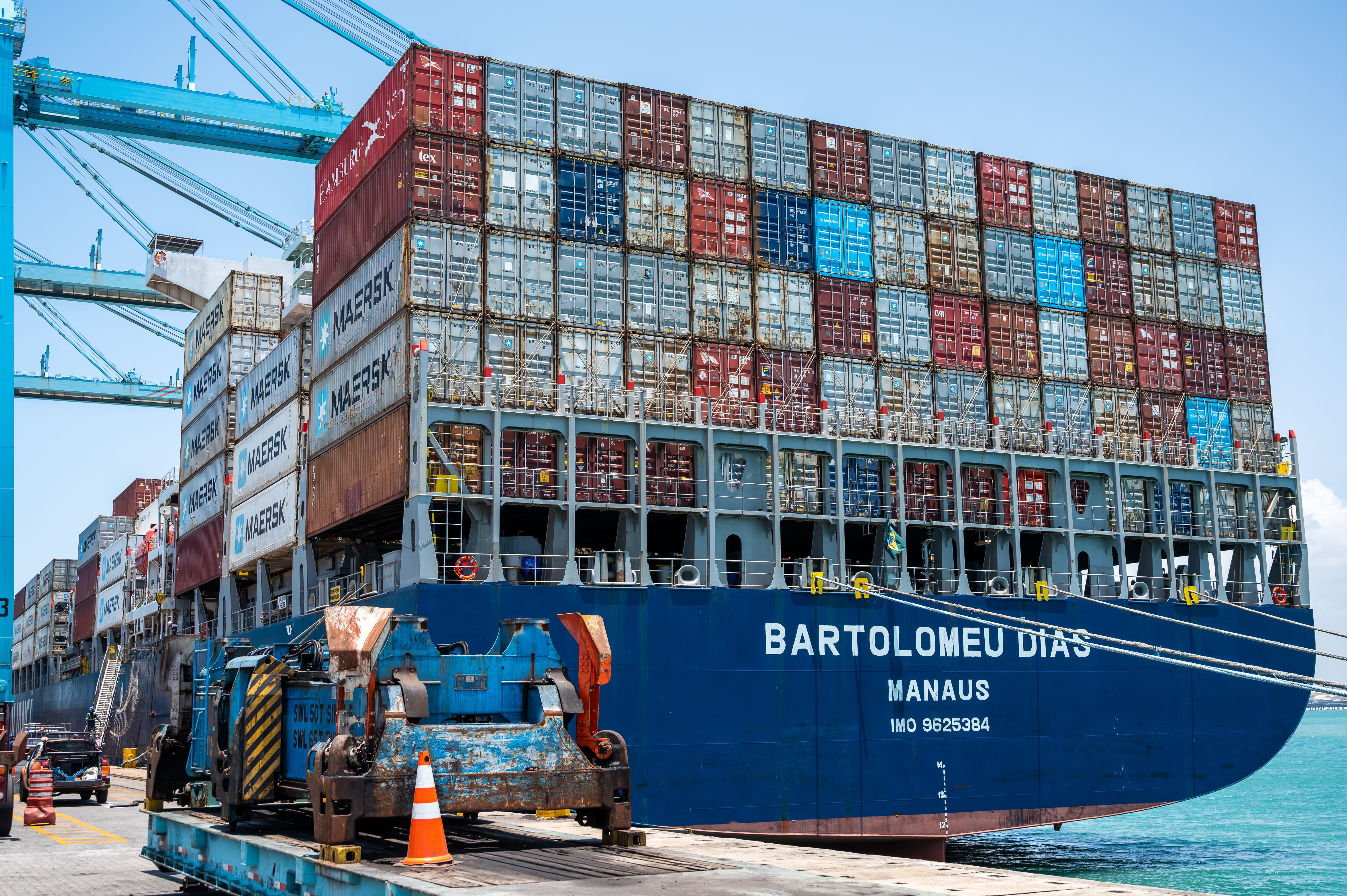
The United States has announced an additional 12.5% tariff on certain Brazilian exports, raising the total potential tariff to 37.5%. This move, justified by the U.S. citing concerns over forced labor, has placed significant pressure on Brazil's industrial sector, while the agribusiness sector remains largely unaffected. Brazilian industry leaders are urgently calling on the federal government to prioritize direct negotiations with the U.S. to resolve the issue, strongly advising against retaliatory measures through the Law of Reciprocity.
The Chamber of Commerce for Brazil (Amcham) estimates that 85.3% of Brazilian exports to the U.S. will now be subject to the maximum 37.5% tariff, a combination of previous and new levies. Amcham warns this will weaken supply chains, increase costs, and diminish the competitiveness of Brazilian exports, potentially harming bilateral trade and increasing expenses for U.S. businesses and consumers. They advocate for bilateral understanding as the most effective path forward and caution that reciprocal measures risk escalating trade tensions.
The machinery and equipment industry, represented by Abimaq, anticipates immediate operational impacts, with the combined tariffs eliminating their competitive edge against U.S. manufacturers. Abimaq projects a 10-11% drop in exports to the U.S. for their sector, which exported $13.8 billion in 2025, with the U.S. accounting for $3.2 billion. The National Confederation of Industry (CNI) and the Federation of Industries of the State of Minas Gerais (Fiemg) also support continued diplomatic negotiations, emphasizing the need for firm, technical, and coordinated government action to secure exceptions and ensure business predictability.
The imposition of U.S. tariffs on Brazilian goods, ostensibly linked to forced labor concerns, highlights the complex interplay between trade policy, domestic legal pressures in the U.S., and international economic relations. While the U.S. cites a need to enforce standards against forced labor, the Brazilian industrial sector perceives the tariffs as politically motivated and detrimental to its competitiveness. The Brazilian government's stated intention to challenge the measures at the World Trade Organization and explore reciprocity signals a potential for escalating trade friction. The situation underscores the vulnerability of export-dependent economies to shifting trade policies and the strategic importance of diplomatic negotiation versus protectionist responses in maintaining stable bilateral economic ties and supply chain integrity.
AI-generated to prompt reflection — not editorial opinion, not advice, not a statement of fact. How this works.