Brazil's Inflation: Food Prices Mixed in First Half, Housing Costs Rise
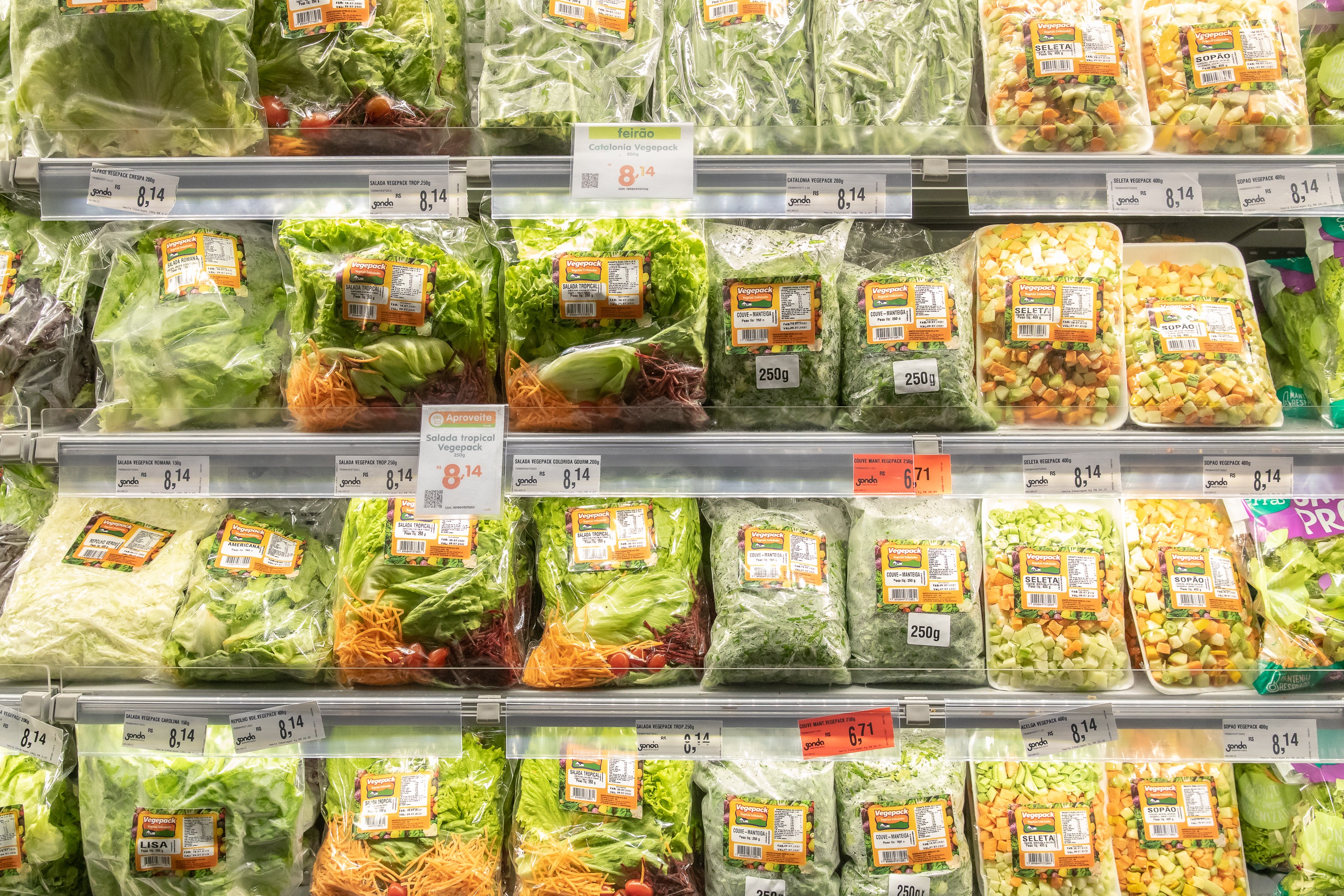
Brazil's official inflation rate, measured by the IPCA, saw a slight increase of 0.16% in June, according to data released by the IBGE. Housing costs were the primary driver of this monthly price surge, exerting the most pressure on the overall inflation index. In contrast, food prices experienced a deflationary trend, decreasing by 0.24% in June, marking the largest negative variation and contributing most significantly to the month's overall deflationary pressure. Food prices for home consumption dropped by 0.39%, a notable decrease from the 1.65% rise observed in May. This decline was influenced by falling prices for ground coffee (-3.72%), fruits (-1.58%), and meats (-0.64%). However, some items like carioca beans (+8.31%) and potatoes (+3.57%) saw price increases. Dining out, or food consumed away from home, saw a slower price increase of 0.15% in June, down from 0.49% in May. Over the first half of the year, significant price increases were recorded for cucumbers (+155.47%), carrots (+103.14%), and tomatoes (+82.41%). Conversely, avocados (-41.30%), Bahia oranges (-32.81%), and lima oranges (-23.36%) experienced the steepest price drops.
The presented data reveals divergent price movements within Brazil's consumer basket during the first half of 2024. While housing costs are reportedly driving inflation, food prices exhibit a complex pattern with significant increases in certain vegetables and beans, juxtaposed with substantial decreases in fruits and processed goods like coffee and sugar. This suggests that supply chain dynamics, seasonal factors, and potentially government policies impacting agricultural inputs are creating volatility. The contrasting trends highlight the challenge for policymakers in managing inflation, as broad-based price stability is difficult to achieve when specific sectors experience such pronounced price swings. Consumers face differing impacts based on their consumption patterns, with essential vegetables becoming significantly more expensive, while other staples like coffee and sugar have become more affordable. This situation warrants a deeper analysis of the underlying causes for the extreme price volatility in specific food categories to ensure equitable access to essential goods and to foster predictable market conditions.
AI-generated to prompt reflection — not editorial opinion, not advice, not a statement of fact. How this works.